




AP, the Wall Street Journal, and CNBC contributed to this report.
Wholesale inflation came in far hotter than anyone wanted on Wednesday, and it’s the kind of data that makes the Fed’s job messier. The Labor Department’s producer price index (PPI) — the measure of prices businesses get before consumers see them — rose 0.7% in February and 3.4% from a year ago — the biggest year-over-year jump since February 2025.
A few quick hits you should know:
- Core PPI (which strips out food and energy) climbed 0.5% for the month and 3.9% year-over-year — bigger than many economists expected.
- Food wholesale prices jumped 2.4% in one month, with fresh and dry vegetables soaring 48.9% (yes, forty-eight point nine percent) — a mind-bending move that will show up in grocery bills sooner or later.
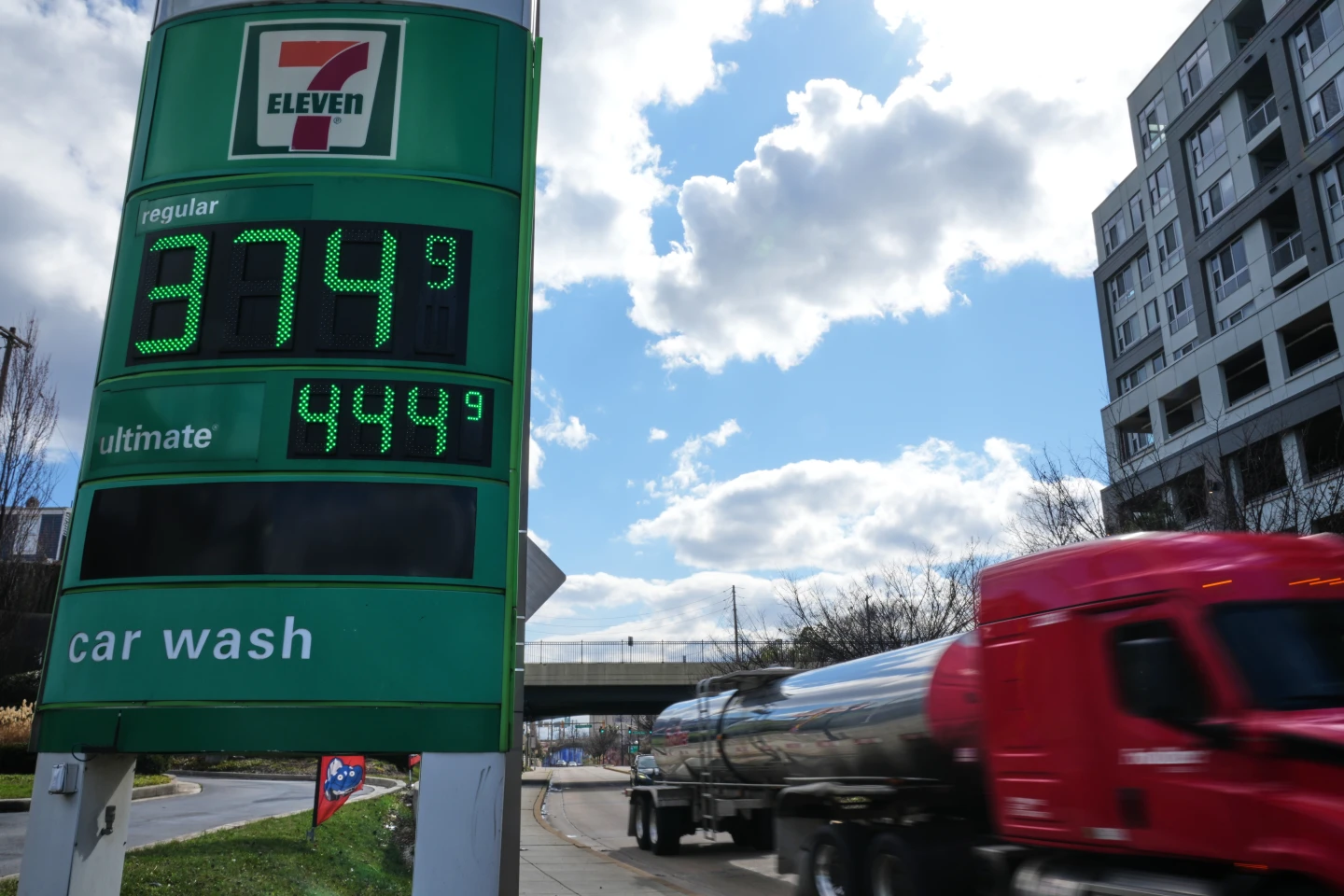
- Energy wholesale prices were up 2.3% for the month; this report came before the Iran war pushed oil and gas even higher. Oil has since surged roughly 50%, and pump prices already climbed: the US average for a gallon of gas hit about $3.84 overnight.
Why this matters: PPI is a pipeline. When producers pay more — for food, metals, logistics, services — those costs often trickle down to consumers. Economists aren’t calling this a single blip. Carl Weinberg at High Frequency Economics wrote that these are “mighty big increases,” and warned the Iran war will add fuel to the fire in next month’s reports. Stephen Stanley at Santander called February’s surge “a sign of trouble,” noting companies have been eating some tariff-related cost increases but the pipeline pressure keeps building.
Markets didn’t love the read: stock futures dipped and Treasury yields ticked up after the report. Traders pushed out expectations for the Fed’s next rate cut — some futures markets now see the first cut much later in the year, probably December, if at all. That’s a big change from hopes of earlier easing.
What’s worrying the Fed: services PPI rose, too. Policymakers tend to “look through” short-lived spikes in energy, but services prices are stickier. Portfolio management fees, brokerage services and other service-line costs all accelerated in February — a signal the inflation pulse isn’t just gasoline and veggies. If higher energy leaks into core inflation, the Fed’s room to cut evaporates.
Headline PPI already looked hot before the Iran war’s energy shock landed. Now add a big jump in oil and diesel, and the inflation backdrop has gone from “uncomfortable” to “complicated.” The Fed is expected to keep rates steady this week, but the new wholesale numbers make it likelier they’ll delay cuts until there’s clearer proof inflation is truly cooling. In short: consumers could feel this at the checkout line, and Wall Street’s easiest path to lower rates just got rockier.



The latest news in your social feeds
Subscribe to our social media platforms to stay tuned