



The artificial intelligence and cryptocurrency industries came into Illinois’ Democratic primaries hoping to flex their growing political muscle. Instead, they walked away with a mixed record — and in some cases, clear losses — offering an early reality check ahead of the midterms.
Backed by deep pockets, tech-aligned super PACs poured millions into key races, aiming to shape a political environment more favorable to their industries. The strategy was familiar: spend heavily, keep the messaging broad, and avoid foregrounding the technologies themselves. Campaign ads focused instead on opposing President Donald Trump and supporting mainstream liberal priorities.
But that approach didn’t insulate them from scrutiny. Their involvement became a focal point in several high-profile contests, particularly in a primary cycle unusually crowded with competitive open seats.
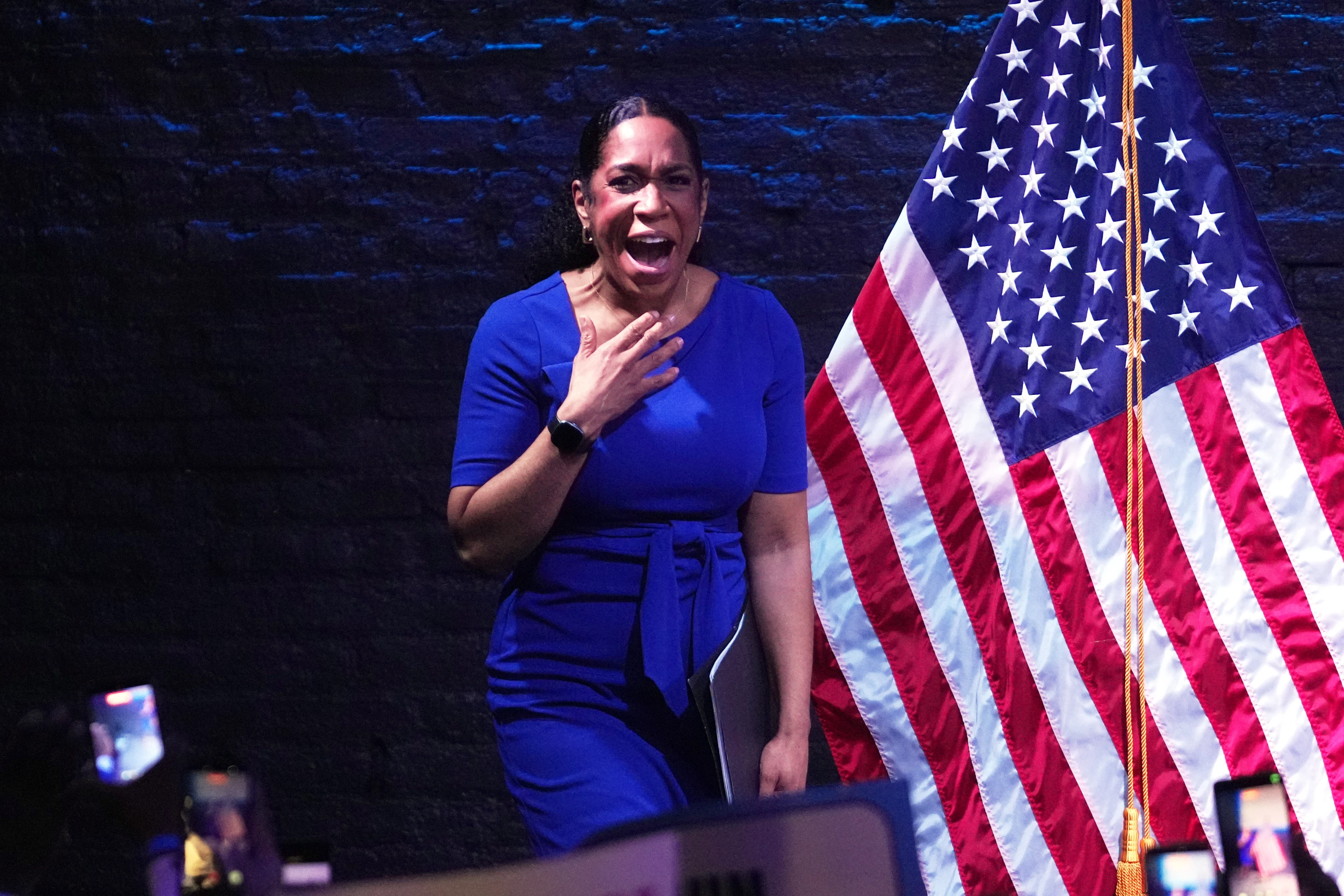
One of the clearest setbacks came in the race to succeed Senator Dick Durbin. The crypto-backed Fairshake PAC spent more than $10 million against Illinois Lieutenant Governor Juliana Stratton. Despite that effort — and additional spending to boost her rivals — Stratton secured the Democratic nomination.
Down-ballot races told a similarly uneven story. In Chicago, state Representative La Shawn Ford won a congressional primary despite facing nearly $2.5 million in opposition spending from Fairshake. Ford had supported legislation to regulate AI and crypto, putting him directly at odds with the interests backing those campaigns.
Elsewhere, results were more ambiguous. Cook County Commissioner Donna Miller won her primary after tech-backed groups spent heavily against one of her opponents, state Senator Robert Peters, another advocate for stricter regulation. Yet even there, the influence of industry spending was far from decisive.
What stood out most was not just the scale of spending, but the lack of coordination within the tech sector itself. In one race, two AI-linked political groups ended up working against each other.
Think Big PAC, funded by Silicon Valley figures including venture capitalist Marc Andreessen, spent more than $1 million to support former congressman Jesse Jackson Jr. At the same time, Jobs and Democracy PAC — backed by the AI company Anthropic — spent a similar amount attacking his candidacy.
The split reflects a deeper divide within the industry. Some players are pushing for minimal regulation, while others are advocating for guardrails as AI systems become more powerful. That disagreement is now spilling into electoral politics.
Taken together, the Illinois results suggest that money alone isn’t enough to reshape the political landscape — at least not yet. Tech-backed groups were able to insert themselves into the conversation, but they struggled to control outcomes, especially when their involvement became a visible issue for voters.

The latest news in your social feeds
Subscribe to our social media platforms to stay tuned