

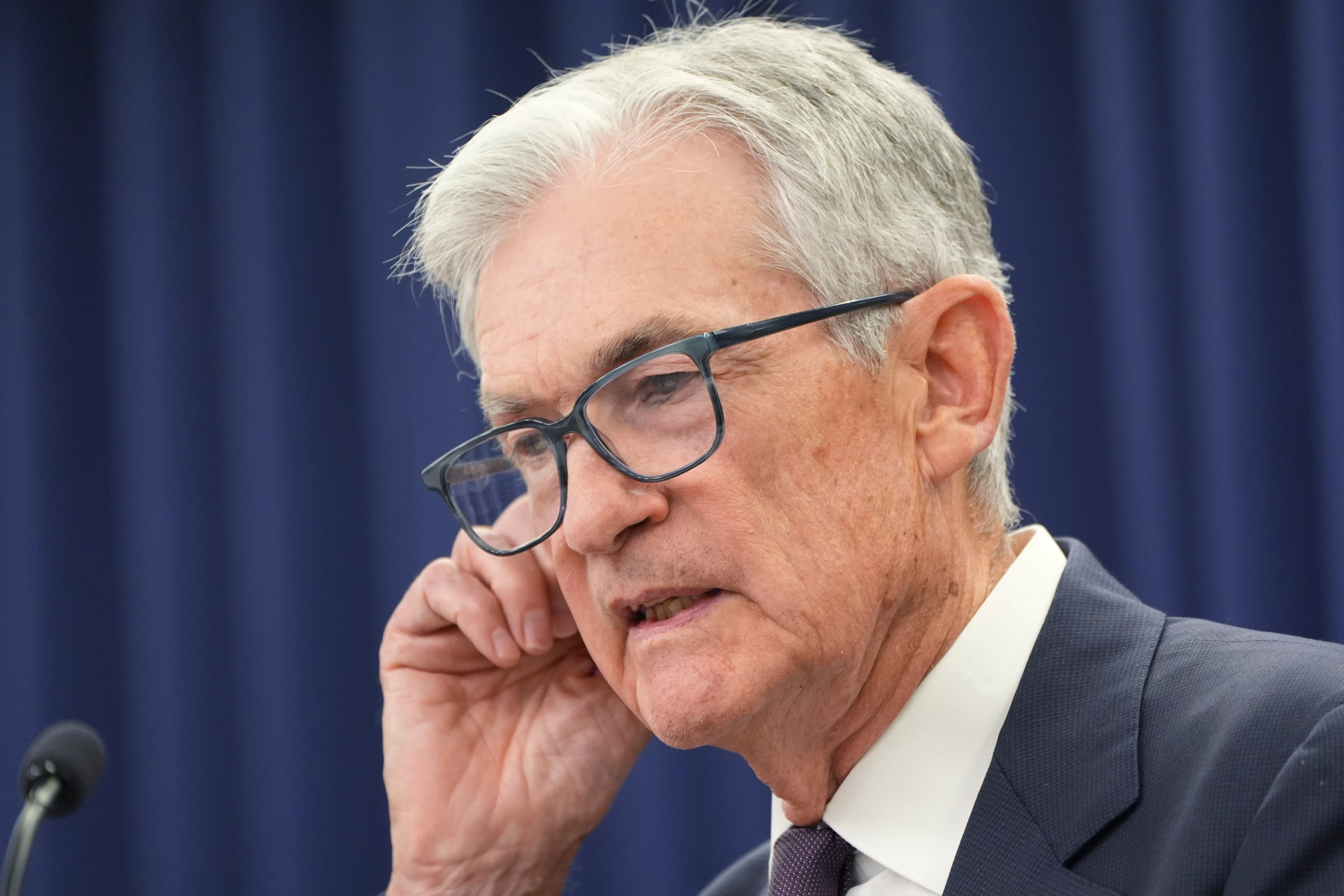



Fed holds steady as Iran war complicates inflation outlook
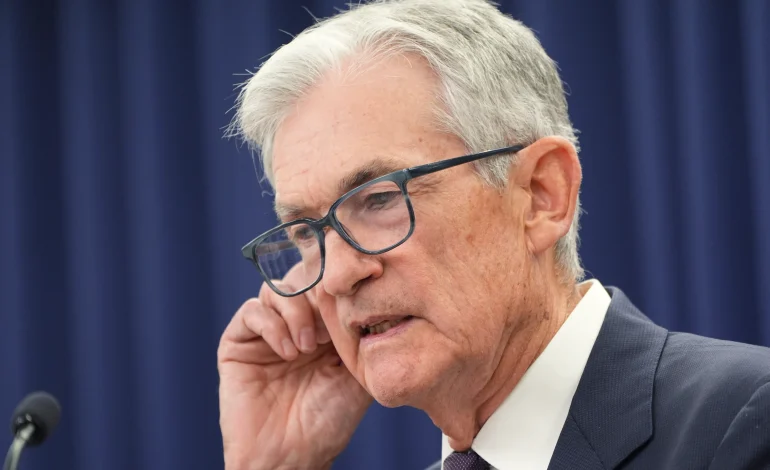

The Federal Reserve is trying to thread a narrow path as the economic fallout from the Iran war ripples through the US economy. Policymakers are now openly acknowledging that the conflict will push inflation higher in the short term — but they’re betting the impact won’t last.
At its latest meeting, the Fed kept its key interest rate unchanged at around 3.6% for the second consecutive time. In its statement, the central bank struck a cautious tone, noting that the “implications of developments in the Middle East for the U.S. economy are uncertain.”
Still, the broader signal from policymakers is one of restraint rather than reaction. Despite rising gas prices, the Fed is sticking to its earlier outlook: modest inflation pressure now, followed by gradual cooling over the next few years. Officials expect inflation to reach 2.7% by the end of this year before easing back toward the 2% target by 2028.
That suggests the central bank sees the current energy shock as temporary — more of a spike than a sustained trend.
The challenge, however, is timing. Oil prices have surged since the war began, pushing gasoline costs sharply higher and feeding into broader price pressures. In the near term, that almost guarantees higher inflation readings, even if underlying trends remain stable.
At the same time, there’s a competing risk. If higher fuel costs persist, they could start to weigh on consumer spending, slowing economic growth and potentially nudging unemployment upward. That combination — rising prices alongside weaker growth — is exactly the kind of scenario central banks try to avoid.
For now, the Fed appears to be assuming the worst-case outcome won’t materialize. Officials expect unemployment to remain stable through the end of the year, a more optimistic view than many outside economists.
That optimism underpins their willingness to keep rate cuts on the table. The Fed still anticipates lowering rates later in 2026, signaling confidence that inflation will eventually move back under control without aggressive tightening.
But the margin for error is thin. If the conflict drags on or disrupts energy markets further, inflation could prove more persistent than expected. On the other hand, if higher prices begin to choke off demand, the Fed could face pressure to cut rates sooner to support growth.
Complicating matters further is leadership uncertainty at the central bank. Chair Jerome Powell is nearing the end of his term, and his potential successor has yet to be confirmed, adding another layer of unpredictability to future policy decisions.


The latest news in your social feeds
Subscribe to our social media platforms to stay tuned