




With input from the New York Times, CNN, FOX Business, and Bloomberg.
Mortgage rates in the US just kept climbing, and for homebuyers already stretched thin, the timing could hardly be worse.
The average 30-year fixed mortgage rose to 6.22% this week, up from 6.11% a week earlier, according to Freddie Mac. That’s the third straight weekly increase and the highest level since the second week of December. Not long ago, rates had slipped below 6% in February, which had given the housing market a small burst of hope heading into the spring buying season. That momentum has now faded.
What changed? A lot of it comes back to the war in the Middle East. Rising energy prices, along with renewed fears that inflation could flare back up, have pushed borrowing costs higher across the economy. Iran’s retaliation to US and Israeli attacks has added to the anxiety, especially after disruptions to oil and gas flows from the region. Investors have responded by bidding up the 10-year Treasury yield, which mortgages tend to follow closely.
That matters because even a small jump in rates can make a big difference. For many buyers, a higher mortgage rate means hundreds of extra dollars a year in payments, and in some cases much more. The market was already struggling with affordability. This just makes it harder.
Michael Pearce, chief US economist at Oxford Economics, said the war is unlikely to change long-term homebuying decisions right away, but the longer the conflict drags on, the more it could shape buyer behavior. That sounds about right. People can live with bad timing for a while. They usually start to pull back when the bad timing turns into a trend.
The pressure is not just hitting buyers. Builders are feeling it too.
Higher oil and gas prices ripple through the construction business, raising the cost of materials and transportation. Robert Dietz, chief economist at the National Association of Home Builders, said that uncertainty is already weighing on sentiment among developers. Fuel may sound like a small part of a home’s total price, but it still accounts for about 3% of the construction cost of a typical single-family house. And when everything else is already expensive, even a small increase adds up fast.
The bigger problem for builders is financing. The Federal Reserve does not set mortgage rates directly, but it does influence borrowing costs more broadly, especially on construction and land loans. The Fed held rates steady again this week, and markets now expect it could be more than a year before the next rate cut. That is not the kind of backdrop that usually sparks a housing comeback.
For the housing market, this is another reminder that the post-pandemic correction has not really ended. During Covid, mortgage rates fell below 3%, and the market went wild. Buyers rushed in, refinancing surged, and home prices shot up. Since then, the mood has flipped. Many homeowners are stuck in place because selling would mean giving up those ultra-low rates and taking on a new mortgage at double the cost. With fewer homes listed, inventory stays tight, prices stay elevated, and sales stay sluggish.
There had been signs the market was starting to thaw. After peaking at 7.79% in October 2023, mortgage rates had slowly drifted lower, and February’s drop below 6% looked like a possible turning point. Now that hope looks premature.
“Before the war, we had expected a gradual recovery,” Pearce said. “With the war, that’s going to delay any recovery.”
And the timing is rough. Spring is usually the busiest season for housing, when more buyers enter the market and sellers tend to list homes. But mortgage applications already fell 10% last week, according to the Mortgage Bankers Association, suggesting that the latest rate move may already be cooling demand.
MBA chief executive Bob Broeksmit said the key question is whether the rate pressure tied to Middle East tensions will be enough to derail what should have been a stronger spring season. Right now, the answer looks like “maybe,” which is not a comforting word in housing.
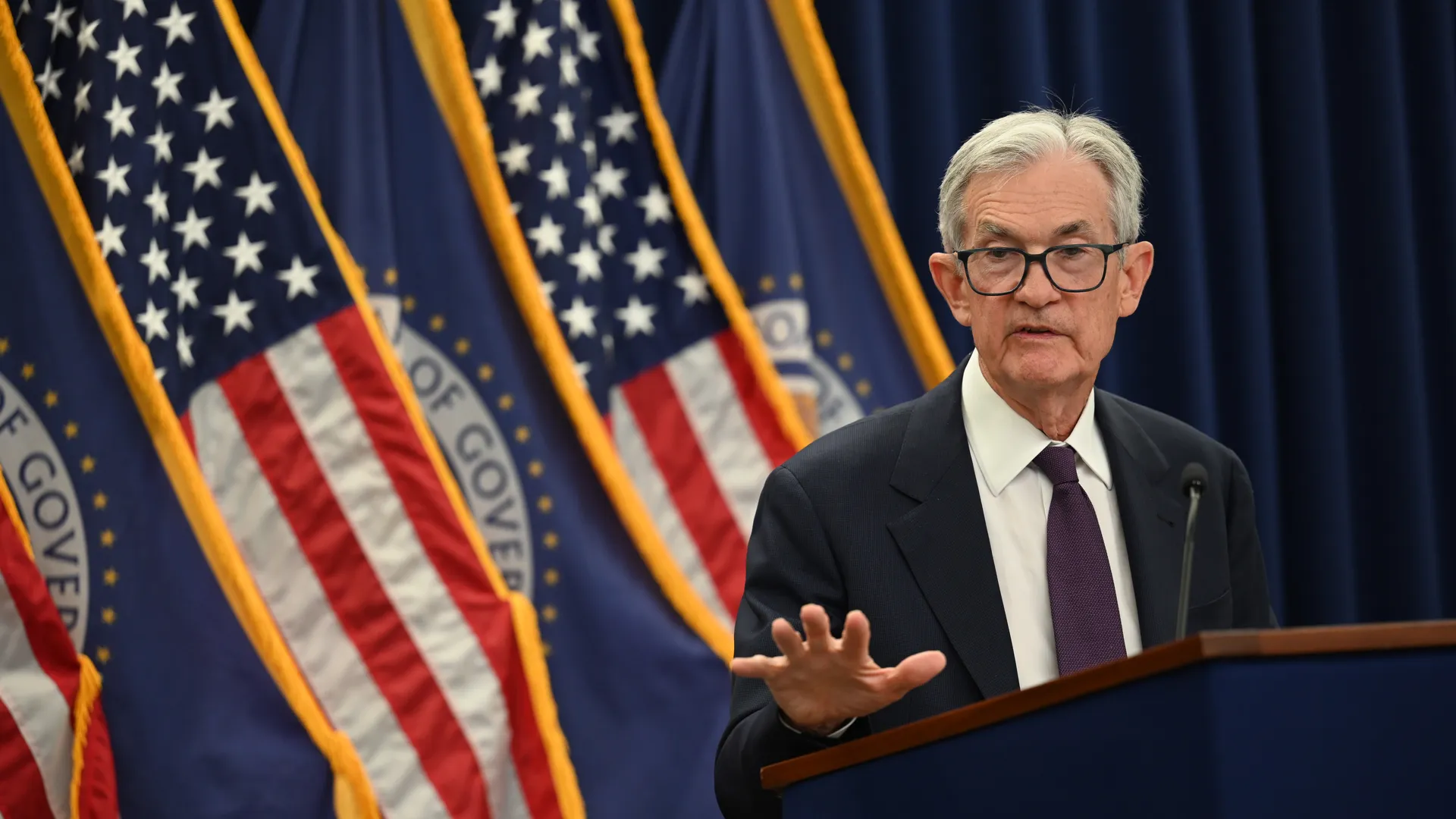
The Fed’s latest stance has also complicated the picture. Before the war, investors were betting on more rate cuts later this year, which could have helped bring mortgage rates down. But with inflation fears rising again, that scenario looks shakier. Fed Chair Jerome Powell said this week that the central bank “worries a lot” about getting inflation back to its 2% goal. He also warned that the economic impact of the Middle East conflict is still too early to judge, especially with oil prices moving sharply higher.
That caution matters because inflation is exactly what could keep mortgage rates elevated. The 10-year Treasury yield climbed from 3.96% before the war to about 4.28% this week, reflecting investor concern that higher energy costs could filter into the broader economy. In other words, the market is pricing in the possibility that this is not just a geopolitical shock, but an inflation shock too.
For buyers, that means the spring market is looking a lot less friendly than it did a few weeks ago. For builders, it means uncertainty, tighter margins, and more hesitation. For the Fed, it means one more headache in a year already packed with them.
The war may be far from most Americans’ daily lives, but its effects are showing up in one of the most personal places possible: the monthly mortgage bill.


The latest news in your social feeds
Subscribe to our social media platforms to stay tuned