


The Washington Post, CNBC, Axios, and Bloomberg contributed to this report.
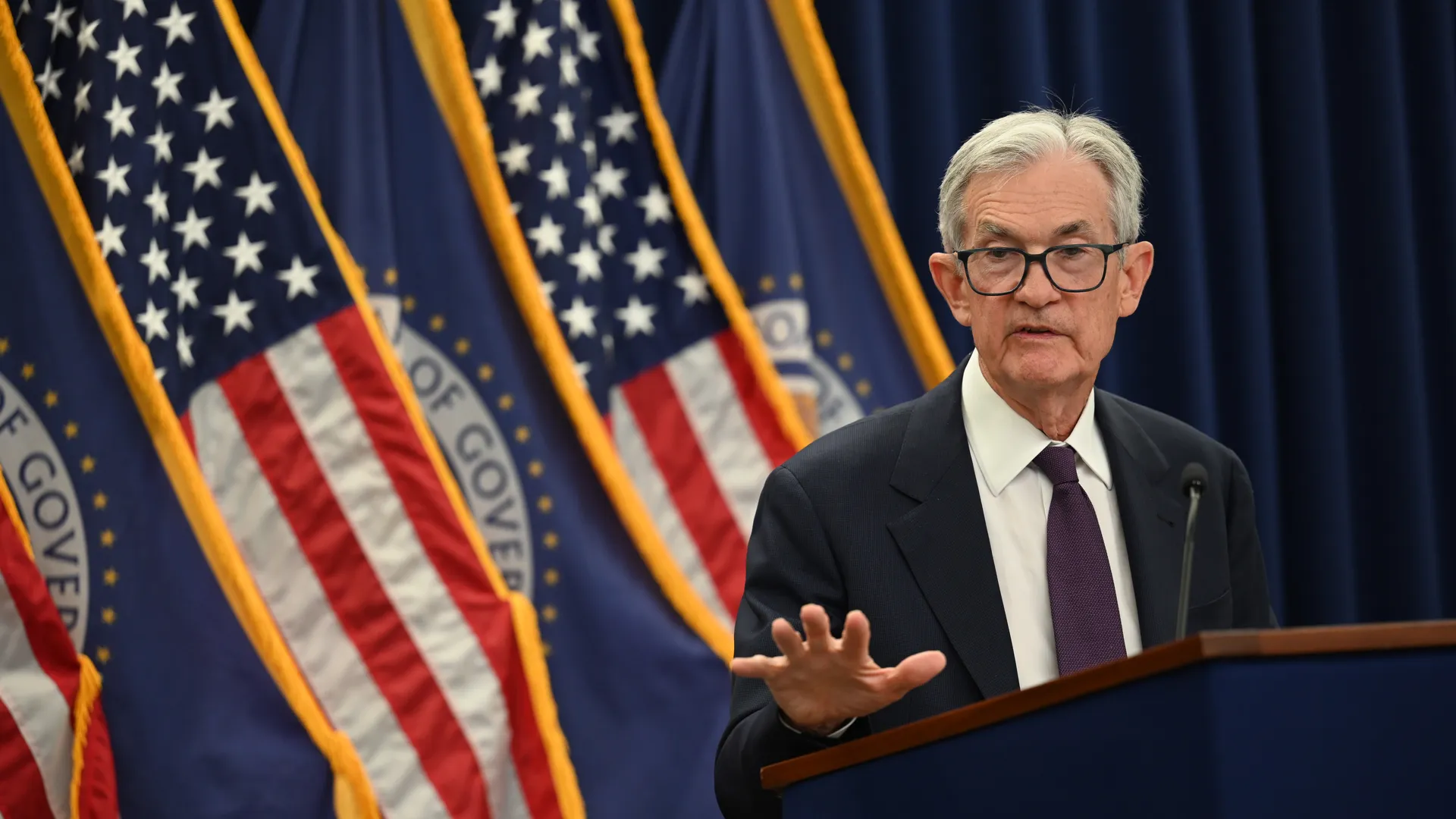
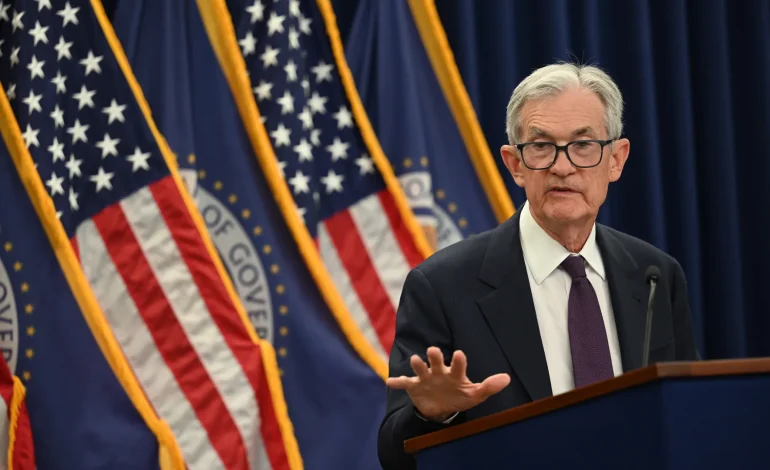
Jerome Powell just did the thing Donald Trump has spent months trying to prevent: he made it clear he may still be running the Federal Reserve after his chair term ends in mid-May.
Speaking Wednesday, Powell said he would stay on as chair if the Senate has not yet confirmed a successor. And he went further than that. Powell also said he would remain on the Fed’s board of governors until a criminal investigation into him is finished “with transparency and finality.” That could keep him in the building well into 2028.
For Trump, that is an ugly outcome. The president has spent months going after Powell in public, hammering him over interest rates and even floating the idea of pushing him out early. The pressure campaign escalated into something even stranger: a Justice Department criminal probe tied to Powell’s congressional testimony last summer and the central bank’s $2.5 billion headquarters renovation.
But the strategy appears to have boomeranged.
A key roadblock is Senate Banking Committee Republican Thom Tillis of North Carolina, who has refused to let Kevin Warsh’s nomination move forward until the Justice Department drops its case. Warsh, a former Fed governor, was Trump’s pick to replace Powell, but the Senate has not even scheduled a hearing. So instead of clearing the way for a new chair, the White House has helped trap the old one in place.
Powell said the law is straightforward and that the arrangement is not unusual. A Fed chair has stayed on in a holdover role before, he noted, including when his first term expired during the Biden administration before he was reconfirmed. This time, though, the politics are much messier.
Trump showed no sign of backing off on Thursday. He kept attacking Powell, called the renovation “criminality,” and repeated his view that the Fed chief is “stubborn” and “incompetent.” He also claimed the project’s cost was wildly inflated, though the real figure is around $2.5 billion, not the $4 billion he has cited.
Powell says the investigation is being used as pressure, not law enforcement. That view got a boost last week when US District Judge James Boasberg blocked subpoenas tied to the probe and said the evidence suggested the government had used them to try to force Powell into cutting rates or stepping aside. Prosecutors say they will appeal.
The White House is not just fighting Powell, either. Trump has also moved to oust Fed governor Lisa Cook, though the Supreme Court has signaled it may let her stay on the board while she challenges the decision. That leaves the administration struggling on two fronts at once, with the Fed’s seven-member board still not shaping up the way Trump wants.
There is also a new wrinkle: some Fed staff now think the administration could try to appoint another acting chair in May, possibly Stephen Miran, a former Trump economic adviser. Supporters of that idea have pointed to an old Carter-era legal opinion arguing the president can name an acting Fed chair when a vacancy opens. The Fed has long treated that theory as shaky, and it has never been tested in court.
All of this is happening while the central bank is still dealing with the fallout from the Iran war and the oil shock that came with it. The Fed held rates steady again on Wednesday, leaving its policy range at 3.5% to 3.75%. Officials still expect at least one cut this year, but the outlook is less certain than it was a few months ago.
Powell’s message was careful but clear: higher energy prices can feed inflation quickly, and it is still too early to know how lasting the impact will be. The Fed’s new projections show officials now expect inflation to run hotter than they thought back in December, while growth looks slightly stronger and unemployment roughly unchanged.
So Trump may have wanted a Fed chair who would slash rates on command. Instead, he may get Powell for longer than expected — and a central bank that is, at least for now, even less likely to cave.


The latest news in your social feeds
Subscribe to our social media platforms to stay tuned