


NBC News, CNN, Axios, and Market Watch contributed to this report.
Eight states are taking a swing at one of the biggest media mergers on the table.
Late Wednesday, California, New York and six other states filed suit in federal court to stop Nexstar’s proposed $6.2 billion takeover of Tegna, arguing the deal would violate antitrust law and give one company too much control over local TV news. If the merger goes through, the combined company would reach nearly 60% of US households, far beyond the current federal cap of 39%.
That number is the heart of the fight. Nexstar and Tegna say the deal would help them compete with streaming platforms and digital giants. State officials say it would do the opposite: cut down the number of independent voices, squeeze local competition, and make already-concentrated TV markets even tighter.
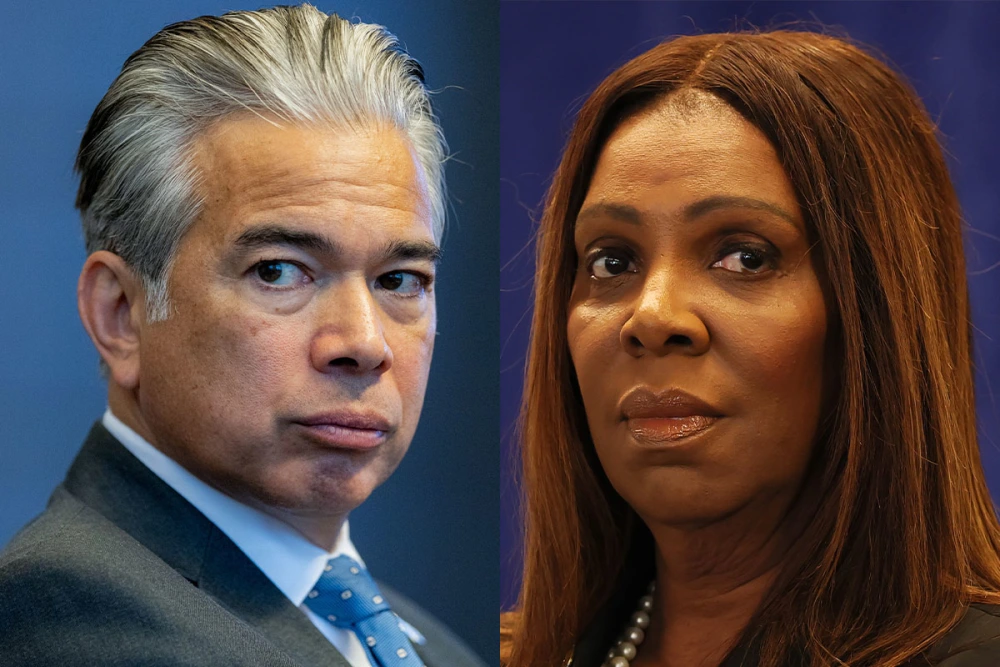
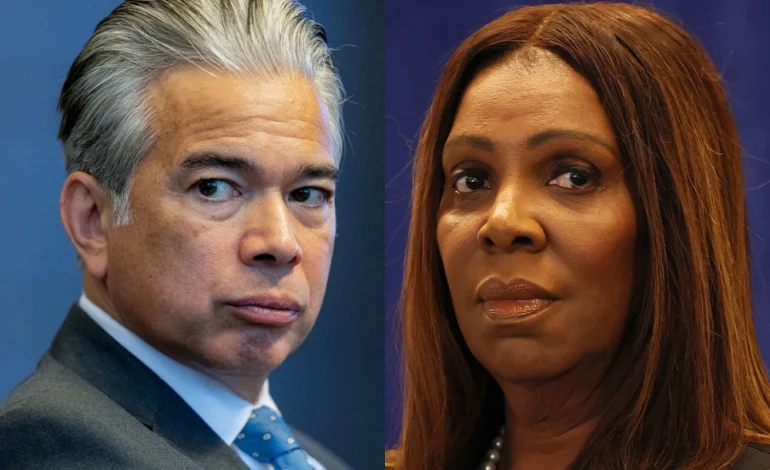
“When broadcast media is owned by a handful of companies, we get fewer voices, less competition, and communities lose the critical check on power that local journalism delivers,” California Attorney General Rob Bonta said.
The lawsuit was brought by the attorneys general of California, New York, Colorado, Illinois, Oregon, North Carolina, Connecticut and Virginia. It argues the merger would substantially lessen competition, especially in places like Sacramento, San Diego and Buffalo, where regulators say local news diversity would take a hit.
And this is not just a niche legal fight about corporate structure. It is a broader battle over who gets to shape local news, how much consolidation is too much, and whether the Trump-era push for deregulation should extend to broadcast TV.
Federal Communications Commission Chair Brendan Carr has already signaled support for the deal, and President Trump has publicly backed it too, saying it would create more competition against what he calls “fake news.” But for Nexstar to close the deal, the FCC would likely have to move the ownership cap—or reinterpret it. That limit has long prevented any one company from controlling stations reaching more than 39% of US households.
The states are betting that regulators will not, or should not, make that leap.
The political backdrop matters here. Nexstar chief executive Perry Sook has worked hard to win over Trump-world, casting his company as a kind of anti-establishment broadcaster and leaning into conservative media circles. But the deal has also split some of that same world, with competitors like Newsmax and One America News Network pushing back hard.
There is a reason state attorneys general are jumping in now. They have become one of the few real counterweights to the federal government on media consolidation, and they have shown they are willing to fight even giant deals backed from above.
The lawsuit could slow Nexstar’s plan by months, maybe longer. It was filed in the Eastern District of California, and the companies have not yet responded publicly.
For now, the message from the states is blunt: this deal is too big, too concentrated, and too dangerous for local journalism to swallow without a fight.


The latest news in your social feeds
Subscribe to our social media platforms to stay tuned