


Trump lifts shipping law as fuel prices surge amid Iran war

The Trump administration has temporarily waived a century-old maritime law in an attempt to ease rising fuel costs, as the fallout from the US-Israeli war on Iran continues to disrupt global energy flows.
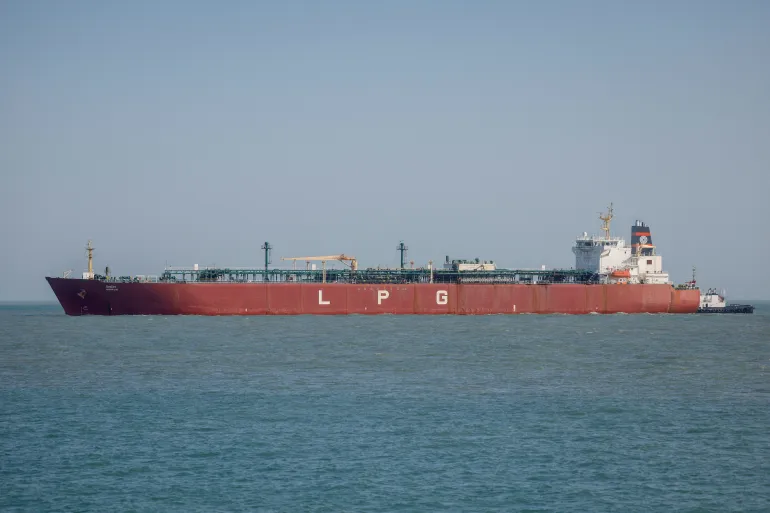
The 60-day waiver suspends key provisions of the Jones Act, allowing foreign-flagged vessels to transport cargo between US ports — something normally restricted to US-built, US-owned and US-crewed ships. The move is designed to increase flexibility in domestic shipping at a moment when supply chains are under strain.
The timing is not accidental. Since the war began, Iran has effectively choked off traffic through the Strait of Hormuz, one of the world’s most critical energy corridors. Tanker traffic has dropped sharply, with hundreds of vessels stranded and dozens reportedly attacked. The disruption has pushed global oil prices higher, feeding directly into rising fuel costs in the United States.
Against that backdrop, the White House argues the waiver will help smooth internal logistics.
“This action will allow vital resources like oil, natural gas, fertilizer, and coal to flow freely to US ports for sixty days, and the Administration remains committed to continuing to strengthen our critical supply chains,” said press secretary Karoline Leavitt.
But industry groups and analysts are sceptical about how much difference it will make where it matters most — at the pump.
Maritime unions have pushed back strongly, arguing that domestic shipping costs are not the main driver of fuel prices.
“Waiving the Jones Act would do nothing to reduce gasoline [petrol] prices. In fact, the primary driver of gasoline prices is the cost of crude oil, not domestic shipping costs,” said leaders of the American Maritime Officers union.
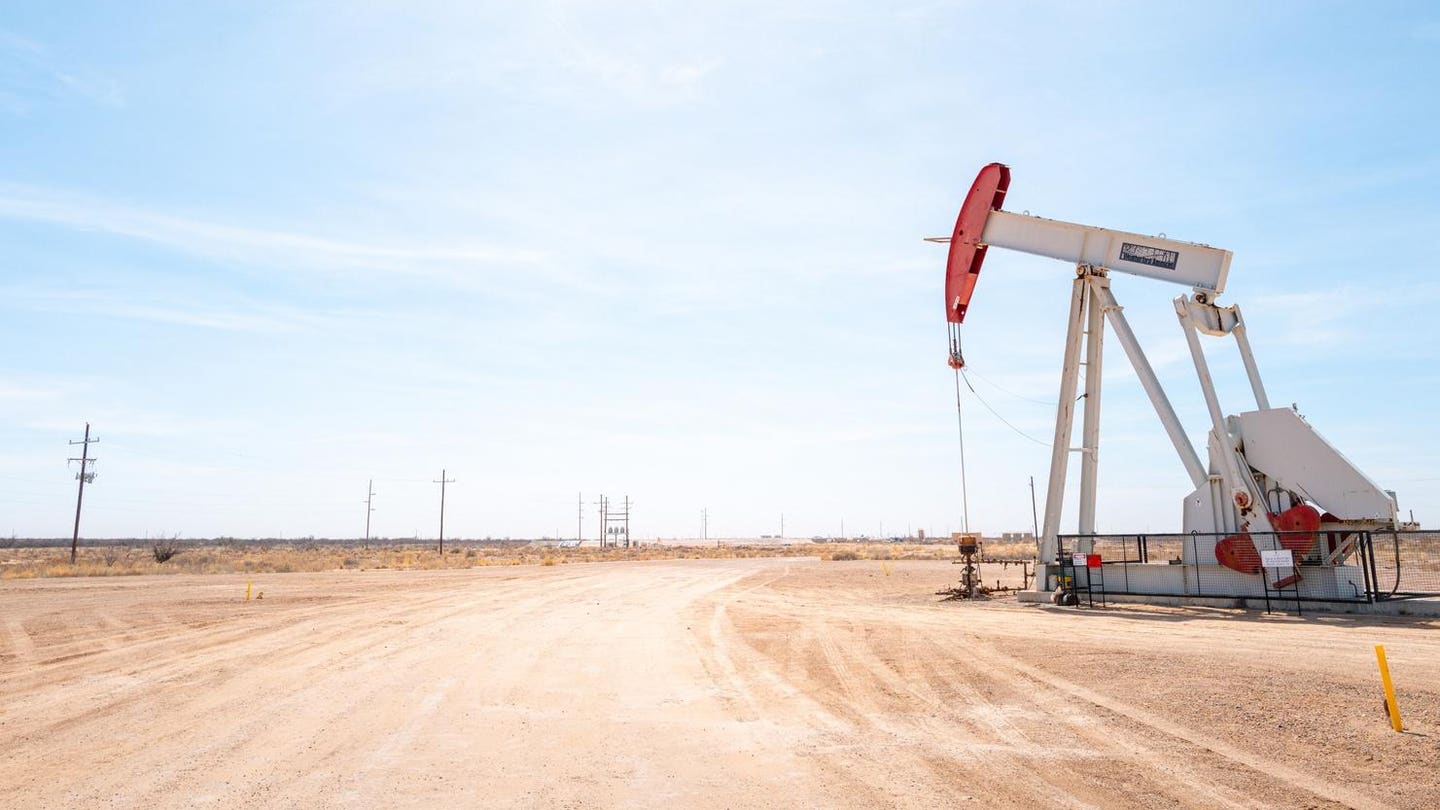
Experts broadly agree the impact will be limited. The waiver may make it cheaper and faster to move fuel within the US, particularly from the Gulf Coast to other regions, but it does not increase the overall supply of oil.
Rachel Ziemba of the Center for a New American Security framed it as a logistical adjustment rather than a market intervention.
“The waiver of the Jones Act helps to make the Strategic Petroleum Reserve release more effective and reduces the costs of getting fuel from the Gulf Coast to other parts of the US,” she said.
“It won’t add supplies on its own, though — just mitigates some friction of getting supplies to the Northeast and, to an extent, the Pacific coasts and US territories.”
That distinction matters as prices continue to climb. The average cost of petrol in the US has risen sharply over the past month, reflecting global supply pressures rather than domestic bottlenecks.
Patrick De Haan, head of petroleum analysis at GasBuddy, said consumers are unlikely to see a noticeable drop in prices.
“It won’t have a ‘visible’ impact in reducing prices at the pump as of now; it will merely offset rising retail prices. I estimate it may offset 3 to 10 cents per gallon ($0.007 to $0.02 per litre) of price increases,” he said.
Others are even more blunt about the limits of the policy.
“A Jones Act waiver is unlikely to reduce the price of gasoline at the pump, and any claims of a material – eg, $0.05 – benefit to US consumers is not possible. Any benefit would almost certainly flow to new entrants to the market – eg, commodity traders,” said David St Amand of Navigistics Consulting.



The latest news in your social feeds
Subscribe to our social media platforms to stay tuned