


The Washington Post, Politico, the New York Times, and NBC News contributed to this report.
Nexstar just got the green light for a deal that could redraw local TV in a big way.
On Thursday, the country’s biggest TV station owner won approval from both the Justice Department and the Federal Communications Commission to buy Tegna in a $6.2 billion merger. If it sticks, the combined company will control 265 stations across 44 states and Washington, reaching about 80% of US households – a massive jump for a business that already sits near the top of the broadcast pile.
Nexstar founder, chairman and CEO Perry Sook called the merger “essential to sustaining local journalism” and said the deal would make the company stronger and better able to deliver local news and programming. He also thanked President Trump, FCC Chairman Brendan Carr and the Justice Department for letting the transaction move forward.
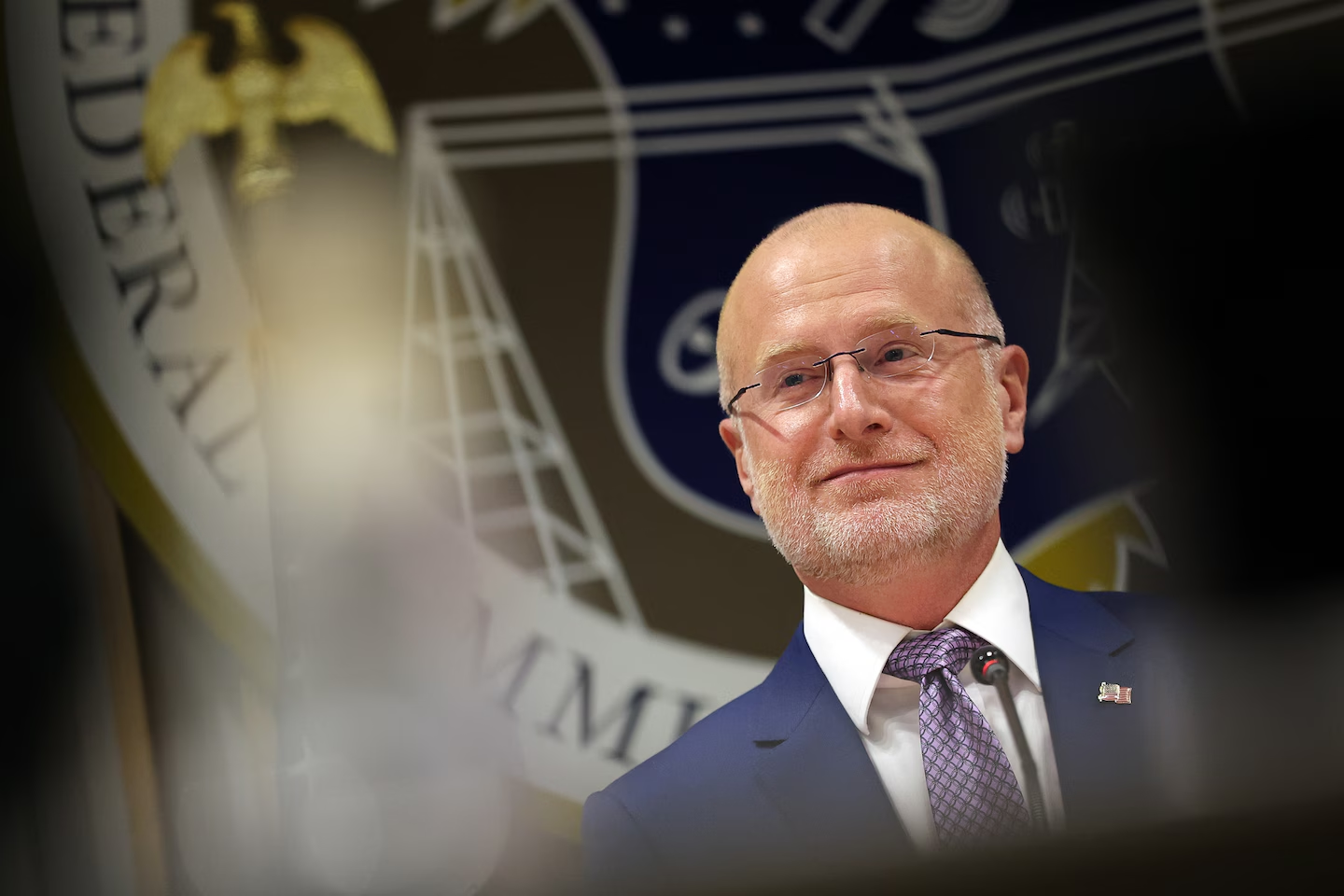
Carr, who has made no secret of his hostility toward what he calls “fake news,” said the merger would help broadcasters compete with the growing influence of national programmers. The FCC said the deal would empower local stations and strengthen their ability to serve their communities.
The approval did not come quietly.
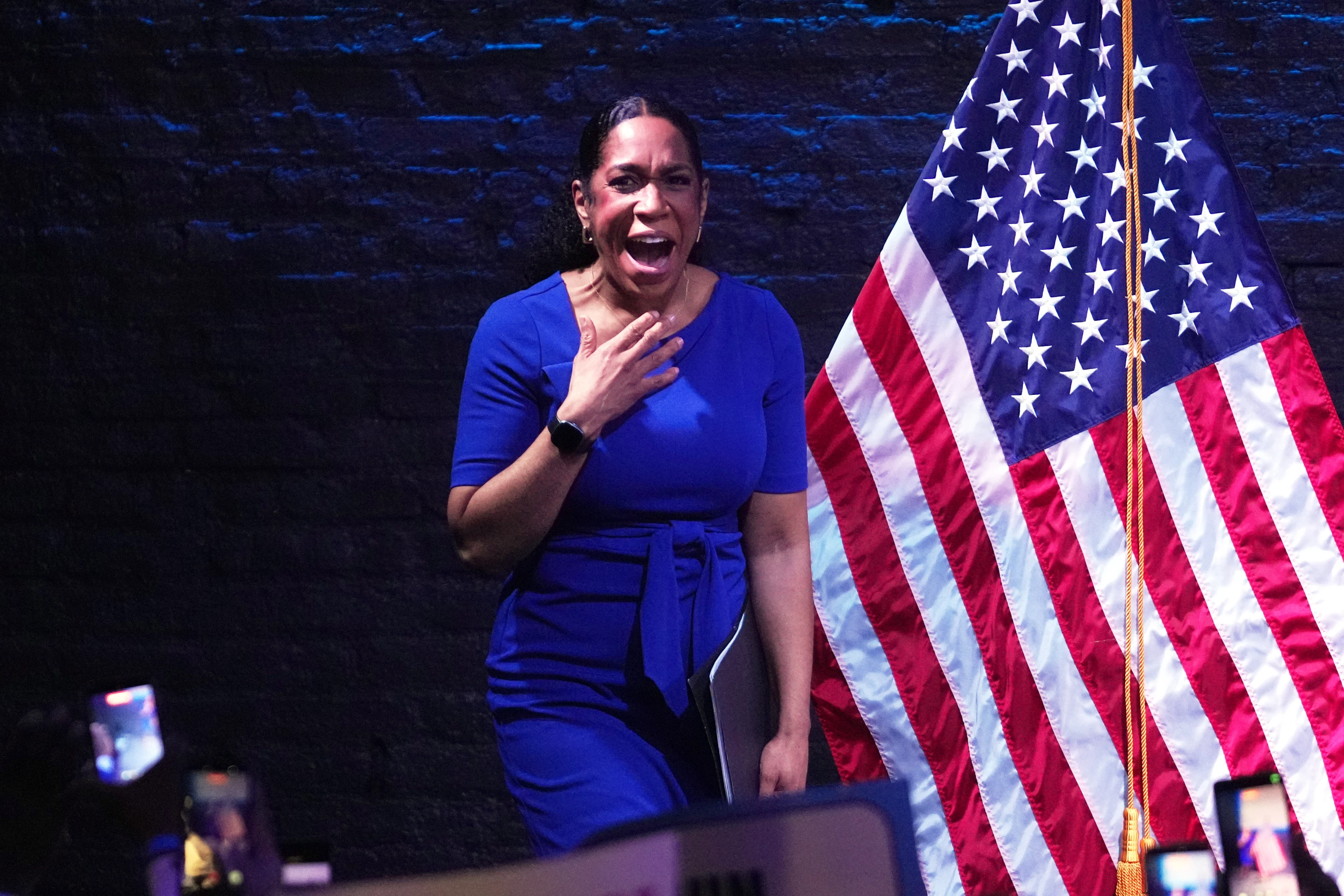
Anna M. Gomez, the lone Democrat on the FCC, blasted the move as opaque and said it was pushed through behind closed doors, without a full Commission vote or any real public process. Her complaint was straightforward: a deal this big, she argued, should not be handled like a backroom rubber stamp.
And the federal approval landed just as eight state attorneys general were trying to slam the brakes on the merger in court. California, New York, Colorado, Illinois, Oregon, North Carolina, Connecticut and Virginia filed suit, arguing the deal would violate antitrust law and leave viewers with fewer choices, less competition and weaker local news coverage.
New York Attorney General Letitia James said the merger could raise fees for consumers and combine hundreds of stations under one owner. California Attorney General Rob Bonta was even blunter, saying that when a handful of companies control broadcast media, communities lose a crucial check on power.
DirecTV has also sued separately, calling the deal anticompetitive and against the public interest.
The legal fight centers on a long-standing FCC ownership rule that limits any one station owner from reaching more than 39% of US households. Nexstar was already near that cap before the Tegna deal. Carr waived the rule, saying the agency has the authority to do so and that letting the merger proceed fits the FCC’s broader goals of competition, localism and diversity. He said Nexstar would own less than 15% of TV stations, even with the merger.
Still, the combined reach is the real headline here. Nearly 60% of US households would fall under the new company’s footprint, which is exactly why critics say this is not just another corporate deal but a major reshaping of the local broadcast world.
Nexstar has been lobbying hard for expansion, arguing that local broadcasters need scale to compete with streaming and social media giants. The company also agreed to divest six stations in places including Colorado, Virginia and Arkansas as part of the approval.
The timing has made the politics even messier. Nexstar briefly became part of a broader conservative-media feud after it pulled Jimmy Kimmel’s show from some ABC stations during the FCC’s review of the merger, then later restored it. That episode only deepened the sense that the deal had become tangled up in Trump-era pressure, media politics and the future of local news.
For now, Nexstar has what it wanted most: formal approval. But the states’ lawsuit, along with the separate DirecTV case, means the fight is far from over.


The latest news in your social feeds
Subscribe to our social media platforms to stay tuned