


US intelligence chief dodges questions as Iran war scrutiny intensifies

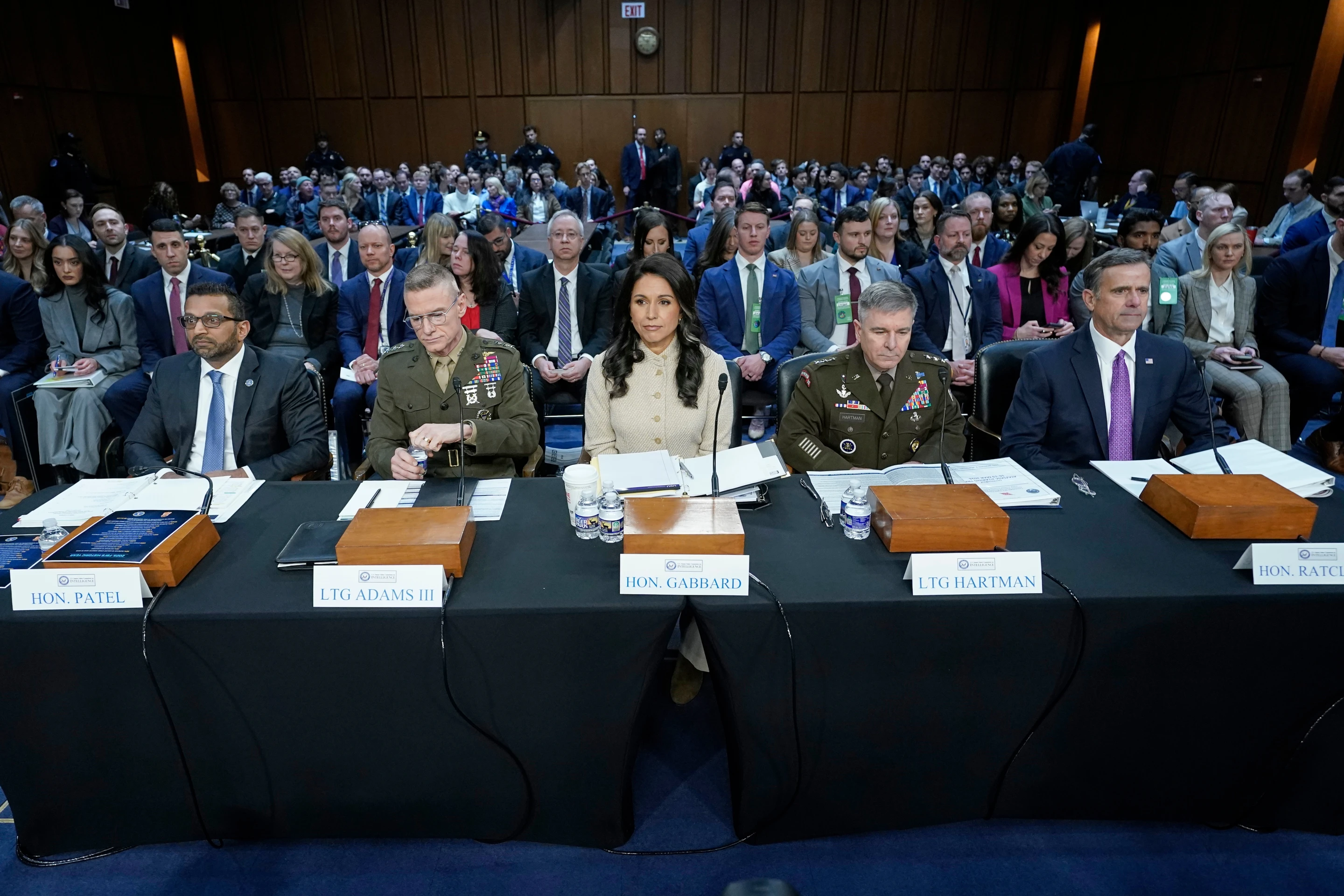
A routine Senate hearing on global threats quickly turned into a pointed interrogation of the Trump administration’s handling of the war with Iran, as lawmakers pressed for clarity on what intelligence guided the decision to strike.
At the center of the exchange was Director of National Intelligence Tulsi Gabbard, who repeatedly declined to say whether she had warned President Donald Trump that Iran might retaliate by targeting Gulf nations or blocking the Strait of Hormuz — a critical artery for global energy supplies.
“I have not and won’t divulge internal conversations. I will say that those of us within the intelligence community continue to provide the president with all of the best objective intelligence available to inform his decisions,” she said.
That refusal to engage directly frustrated Democratic senators, who used the public hearing — one of the few opportunities to question intelligence officials on the record — to probe the administration’s rationale for the war.
The stakes are high. The Strait of Hormuz remains a key chokepoint for global oil and gas flows, and any disruption there carries immediate economic consequences. Trump has already called on allies to help secure the passage, but has faced resistance from NATO members and other partners.
The hearing unfolded against a backdrop of growing controversy over the war itself. Lawmakers are increasingly focused not just on the strategic goals of the conflict, but on whether it was based on sound intelligence in the first place.
One flashpoint is a reported strike on an elementary school in Iran that killed more than 165 people, allegedly based on outdated intelligence. The White House says the incident is under investigation, but it has added urgency to questions about how targeting decisions are being made.
At the same time, internal divisions within the administration are becoming harder to ignore. The recent resignation of Joe Kent, head of the National Counterterrorism Center, has amplified doubts about the official narrative.
Kent said he could not “in good conscience” support the war and rejected the claim that Iran posed an imminent threat — a key justification used by the administration.
His departure has put additional pressure on intelligence leaders to clarify their positions. Yet during the hearing, Gabbard avoided offering her own assessment, emphasizing instead that her role was to present agency views rather than personal opinions.
Other officials attempted to push back on Kent’s claims. CIA Director John Ratcliffe said intelligence assessments did not support the idea that Iran posed no threat.
“The intelligence reflects the contrary,” Ratcliffe said.
Still, the lack of detailed answers left key questions unresolved: what exactly the intelligence community told the president, how those assessments were interpreted, and whether dissenting views were fully considered before the decision to go to war.
Beyond Iran, Gabbard also faced scrutiny over her presence at a domestic FBI operation earlier this year, raising concerns about the boundaries of her role, which is typically focused on foreign intelligence.

The latest news in your social feeds
Subscribe to our social media platforms to stay tuned