
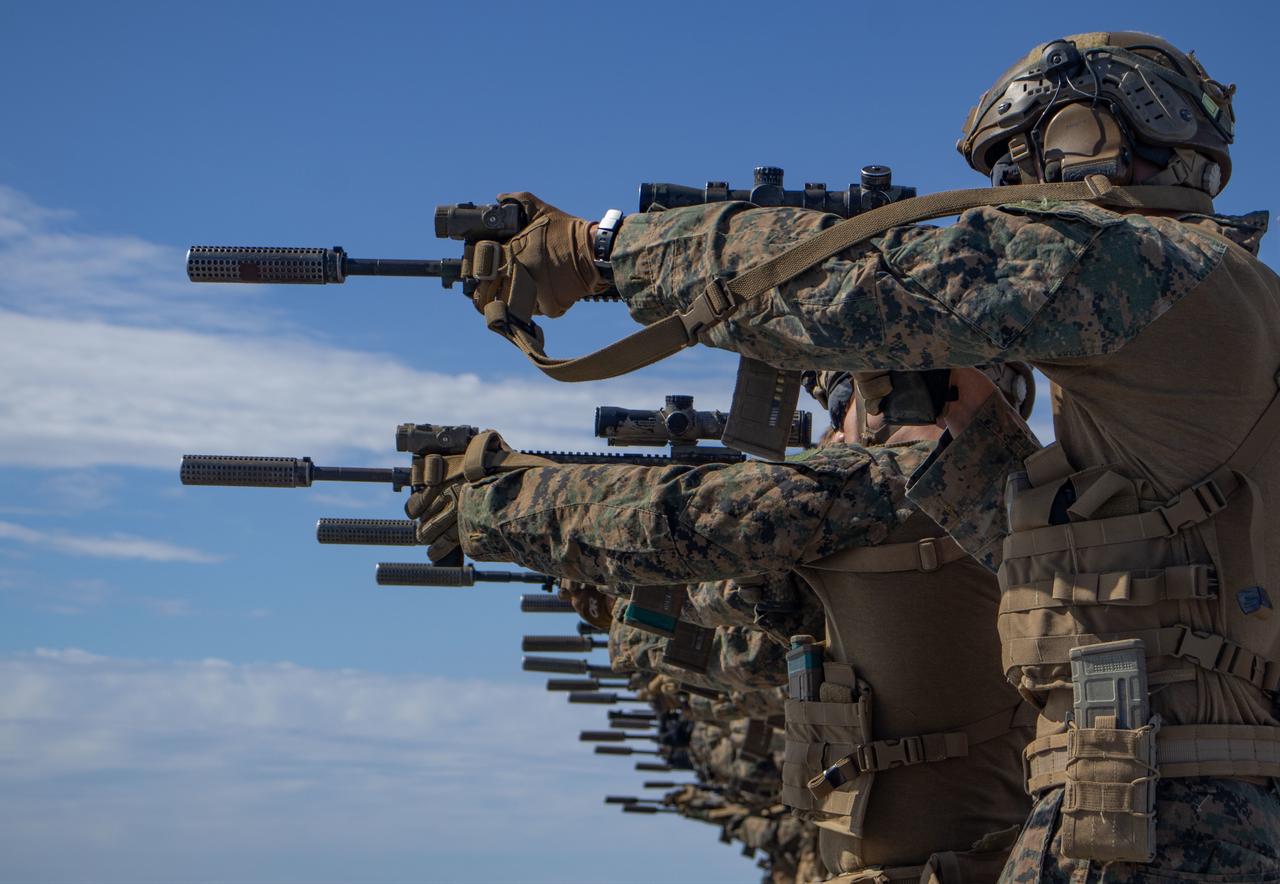
Venezuela reshuffles military leadership amid post-Maduro transition
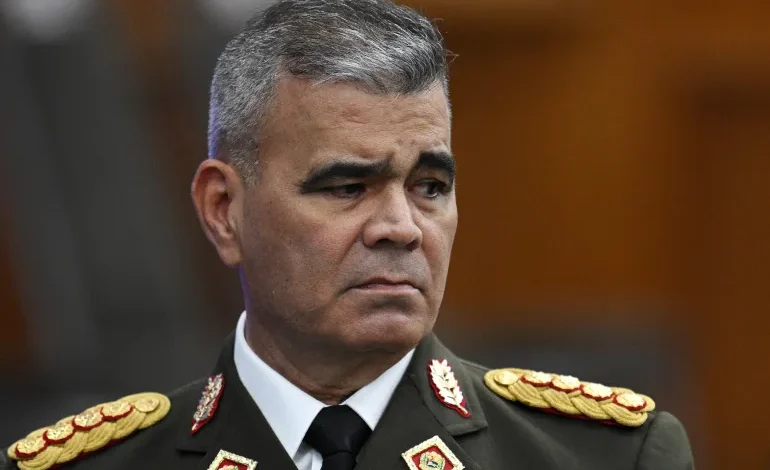

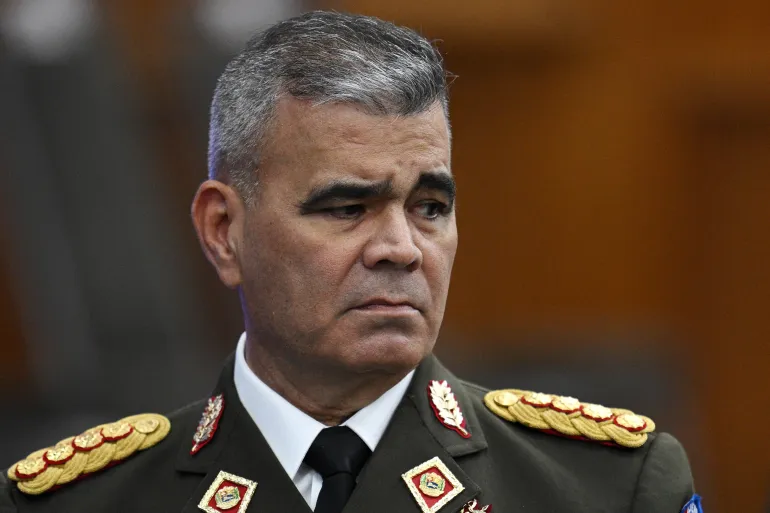
Venezuela’s interim president Delcy Rodriguez has removed longtime defence minister Vladimir Padrino, marking another shift in a government still reshaping itself after the dramatic removal of Nicolas Maduro earlier this year.
The announcement came via Telegram on Wednesday, where Rodriguez struck a measured tone. “We thank Vladimir Padrino Lopez for his loyalty to the homeland and for having been, for all of these years, the first soldier in the defence of our country,” she said, adding that he would take on unspecified “new responsibilities”. No further explanation was offered.
Padrino’s exit follows a set of high-level departures since January 3, when a US military operation targeted Maduro and his inner circle. In the weeks since, several key figures tied to the former administration have either stepped down or shifted roles, including ombudsman Alfredo Ruiz and attorney general Tarek William Saab.
For years, Padrino was one of the most powerful figures in Venezuela, overseeing the military since 2014. Under his leadership, the armed forces became deeply embedded not just in security but in the broader economy, with influence spanning oil, mining and food distribution. At the same time, both he and the institution he led faced repeated accusations of corruption and involvement in crackdowns on dissent.
That legacy continues to shape how the current transition is viewed. A recent UN fact-finding mission noted that much of the underlying system remains unchanged.
“The complex legal and institutional machinery that instigated and enabled the commission of serious human rights violations and international crimes — previously documented by the Mission — remains intact,” the group said.
Rodriguez’s interim government has taken some steps aimed at signalling change, including releasing political prisoners and passing an amnesty law. But critics argue that structural continuity — especially within security institutions — raises questions about how deep those reforms can go.
The broader context is hard to ignore. Washington has maintained pressure on Caracas, linking political reforms to economic concessions, particularly in the oil and mining sectors. The recent reopening of the US embassy after years of closure underscores how quickly the geopolitical landscape is shifting.
Padrino will be replaced by General Gustavo Gonzalez Lopez, another figure closely tied to the previous system. Like his predecessor, he has faced US sanctions over alleged human rights abuses and corruption, and has previously led domestic intelligence operations.

The latest news in your social feeds
Subscribe to our social media platforms to stay tuned