




With input from the Wall Street Journal, Investor’s Business Daily, Forbes, and Bloomberg.
Brent crude punched above $119 a barrel on Thursday before easing back, but the damage to markets was already done. Stocks fell across the board as traders wrestled with a simple fear: the war in the Middle East is no longer just a geopolitical headline; it is an energy shock, an inflation shock, and a market shock all at once.
The trigger was a fresh burst of attacks tied to the widening Iran conflict. Iran’s retaliation against Gulf energy infrastructure, including facilities in Qatar, helped send oil and gas prices sharply higher, while renewed worries about supply disruptions rippled through global markets. Brent crude briefly rose above $119 before settling lower, but still finished well above the previous day. US crude also moved up.
Wall Street did not like the message. The Dow fell about 0.9%, the S&P 500 slipped roughly 0.7% to 0.8%, and the Nasdaq also moved lower, extending a selloff that has been building as oil prices keep pushing inflation fears back to the front of the market. Reuters said the Dow, S&P 500 and Nasdaq all ended the session lower, with crude near $112 a barrel and sentiment weakened by the Federal Reserve’s cautious stance on rate cuts.
The bigger issue is not just the day’s price action. It is what the price action says about the next few weeks. Traders are now pricing in the possibility that oil stays elevated long enough to make central banks nervous again. AP reported that the market has flipped from expecting multiple rate cuts this year to wondering whether the Fed may need to hold steady longer, or even face pressure to tighten if energy prices keep climbing. Bloomberg also said rising oil is reviving concern that central banks will have to keep policy tighter to contain inflation.
That is why the oil spike hit stocks so hard. Higher energy prices do not stay confined to gasoline charts and futures screens. They bleed into shipping, airlines, manufacturing, consumer spending, and eventually earnings. The latest selloff also hit bonds, with Treasury yields rising as investors reassessed the inflation outlook. Reuters noted that short-dated yields jumped on expectations that the Fed could stay on hold longer than traders had thought a month ago.
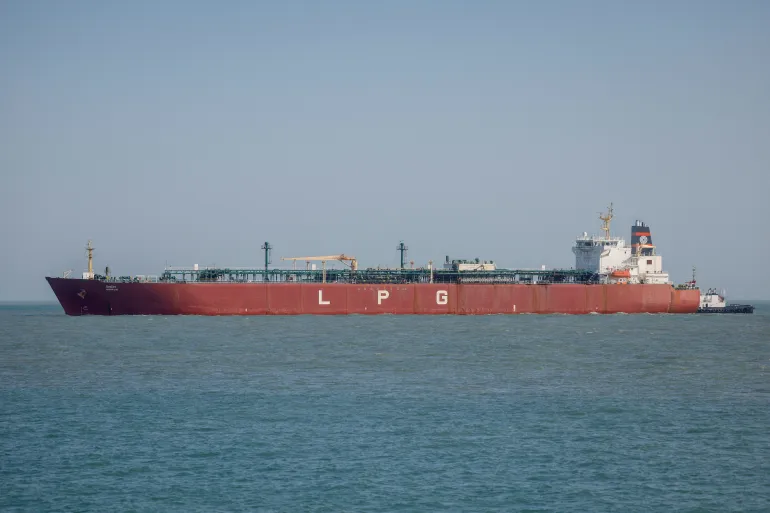
The Gulf angle matters here too. AP said the Strait of Hormuz is effectively closed in the war’s current state, and that matters because a huge share of the world’s oil normally moves through that narrow waterway. Business Insider reported that the latest Iranian strike damaged QatarEnergy facilities at Ras Laffan, the world’s largest LNG export plant, and that Saudi Arabia also reported damage from a drone strike at the Samref refinery. Those are not abstract targets. They are the plumbing of the global energy system.
This is what gives the market its jittery, risk-off feel. One day the selling is about inflation. The next it is about supply chains. Then it is about whether the conflict damages enough energy infrastructure to keep prices high for months instead of days. Business Insider quoted analysts saying the latest phase of the war looks less like a temporary disruption and more like a deeper hit to production capacity and transport routes.
There was a small reprieve when Brent backed off from its intraday peak, but that did not change the tone. The market is now trading on headlines from the Gulf, not just earnings or Fed guidance. Reuters said Wall Street’s main indexes fell as rising crude revived inflation fears, and AP said the losses were smaller in the US than overseas because American companies are less directly dependent on Gulf oil than many foreign peers.
Micron also came into focus in the broader selloff, with Reuters noting that the stock dropped as investors questioned higher spending plans. That is the kind of secondary pressure a war-driven oil spike tends to create: suddenly, even company-specific stories get dragged into the macro wash.
The market’s mood is easy to read. Energy prices are no longer just reacting to supply and demand. They are reacting to damage, retaliation, and the possibility of more strikes. Until traders see a real break in the conflict, the safest assumption is that oil will stay loud, stocks will stay jumpy, and every fresh blast in the Gulf will be felt far beyond the region.



The latest news in your social feeds
Subscribe to our social media platforms to stay tuned