



With input from BBC, CNBC, the Financial Times, Bloomberg, and Business Insider.
With energy prices still roaring because of the conflict in the Gulf, the International Energy Agency is telling governments to stop waiting around for supply to fix itself and start cutting demand instead. Its message is blunt: encourage working from home, lower driving speeds, lean harder on public transport, and trim unnecessary air travel before the pain spreads further through households and businesses.
The IEA’s executive director, Fatih Birol, told the BBC the world is facing “the greatest global energy security threat in history,” and said governments need to be more vocal about how energy is used. He admitted the politics are tricky, but argued the price spike gives people a real incentive to change behavior. In practical terms, the agency says the fastest relief comes from using less oil right now, not just hoping supply comes back later.
The agency’s advice is pretty much a checklist for a wartime energy diet. Work from home if you can. Cut highway speeds by at least 10 km/h. Use buses and trains more. Car-share. Avoid business flights where possible. Switch some cooking away from gas where feasible. The idea is simple: if oil is scarce and expensive, burn less of it while the market is still under strain.
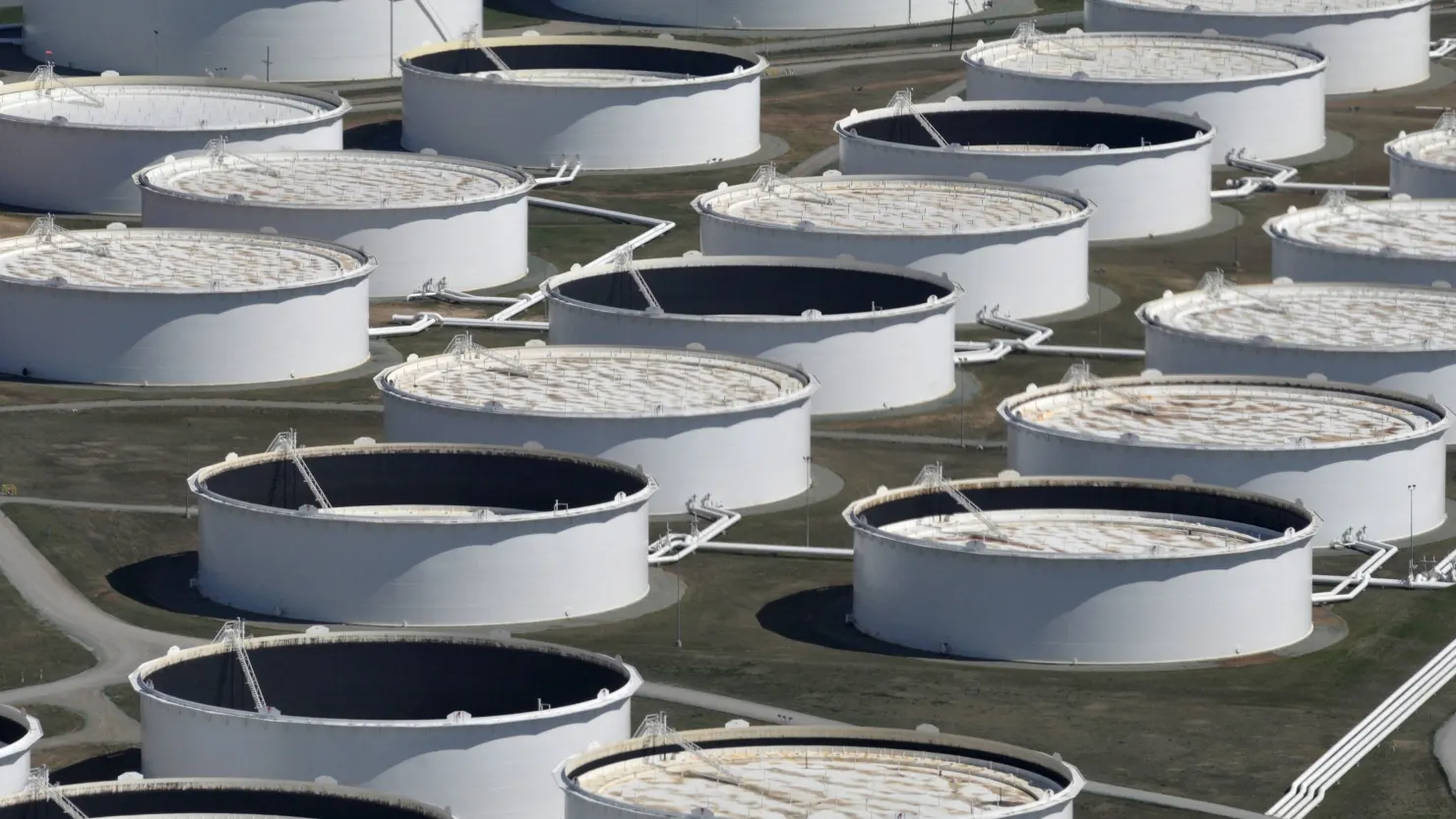
This comes after oil prices surged more than 40% since the war began on Feb. 28, with Brent recently touching nearly $120 a barrel before easing back. The squeeze is being driven by the effective closure of the Strait of Hormuz and attacks on energy infrastructure across the Gulf. The IEA has already agreed to release 400 million barrels from emergency reserves, the biggest such move in its history, but it says stock releases alone will not be enough if the disruption drags on.
Birol’s point is that governments cannot treat this like a short-lived market wobble. Even if shipping through Hormuz resumes, the damage to oil fields, refineries, and pipelines will take months to repair, which means export volumes are likely to stay below prewar levels for a while. That leaves global markets stuck with less supply and higher prices unless demand is pulled down too.
Some countries are already acting. Across Asia, governments have tightened consumption rules, from higher air-conditioning limits in Bangladesh and Thailand to shorter school hours and four-day workweeks for some public servants in Pakistan and the Philippines. The IEA says those kinds of steps are politically awkward, but in a crisis this severe, awkward is cheaper than doing nothing.
The broader warning is that this is not just an oil story. It is a demand story, an inflation story, and a household-bill story all at once. The IEA’s view is that waiting for the market to “normalize” is too slow when consumers are already feeling the shock. So the advice is old-fashioned but effective: drive less, fly less, work remotely when possible, and use energy like it is suddenly expensive again — because it is.


The latest news in your social feeds
Subscribe to our social media platforms to stay tuned