


Trump’s Iran war triggers constitutional clash at home
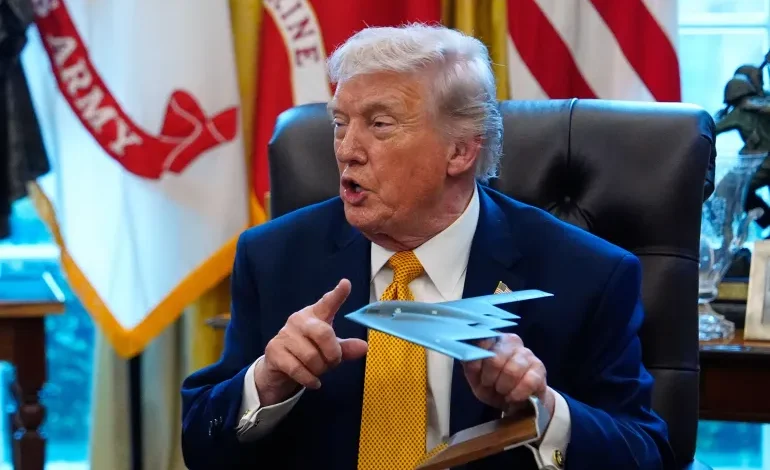


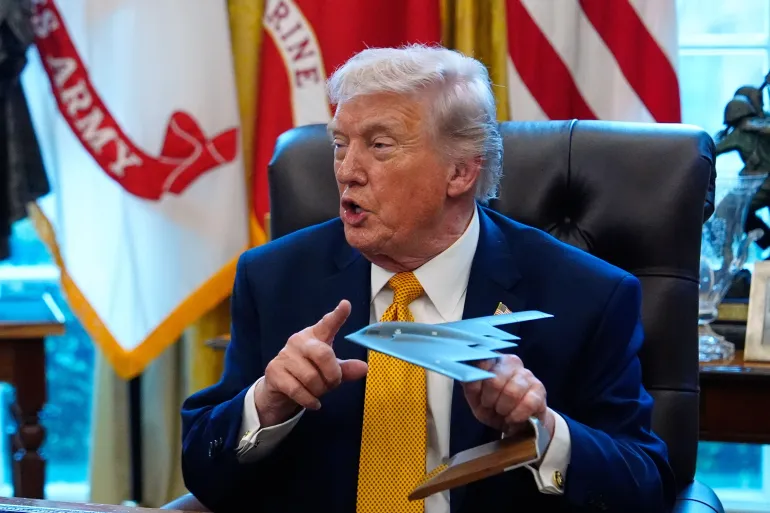
As the United States deepens its military involvement in Iran alongside Israel, President Donald Trump is facing a growing political fight at home — not over strategy, but over authority.
Democratic lawmakers argue the administration has bypassed Congress in launching what Trump himself initially framed as “major combat operations” rather than a formal war. At the core of the dispute is a familiar but unresolved question in US politics: who actually has the power to take the country to war.
Under the US Constitution, that authority is deliberately split. Congress holds the exclusive right to declare war and control funding, while the president, as commander in chief, directs military operations. In practice, however, presidents have often stretched those boundaries, especially when invoking self-defence.
That is precisely the justification Trump’s administration has leaned on. Officials argue the strikes on Iran were necessary to pre-empt an “imminent threat,” even as critics say no such threat has been clearly demonstrated.
The tension surfaced quickly in Congress. In early March, a Democratic-led war powers resolution aimed at halting further US involvement in Iran was voted down 53–47 in the Senate, with Republicans and one Democrat opposing it. Supporters of the measure said Trump had exceeded his constitutional limits by initiating military action without approval.
The administration has maintained that the president acted within his rights. But that position has been complicated by dissent within the government itself.
Joe Kent, director of the US National Counterterrorism Center, resigned over the war, stating he could not support the decision.
“Iran posed no imminent threat to our nation, and it is clear that we started this war due to pressure from Israel and its powerful American lobby,” he said.
The disagreement extends beyond domestic law into international norms. Critics argue that the strikes may also violate international law, particularly if they cannot be justified as self-defence under the UN Charter. Some point to incidents involving civilian casualties and attacks on infrastructure as further grounds for concern.
“The administration has not articulated any plausible claim for how the attack on Iran might be reconciled with Article 2(4) as an exercise in lawful self-defense in response to an armed attack or even a threat of an imminent armed attack,” wrote analyst Brian Finucane.
“Trump’s attack on Iran thus conflicts with and undermines not just the US constitutional order and its allocation of war powers but also the international legal order the United States helped establish in the wake of two world wars and the Holocaust.”
Despite the legal and political challenges, Congress has so far struggled to exert meaningful control. Historically, lawmakers have used tools like the War Powers Resolution — passed in 1973 to rein in presidential authority after Vietnam — but its enforcement has been inconsistent.
One of the few mechanisms that remains viable is financial pressure. Lawmakers could attempt to block funding for the war, a tactic that has been used in past conflicts.
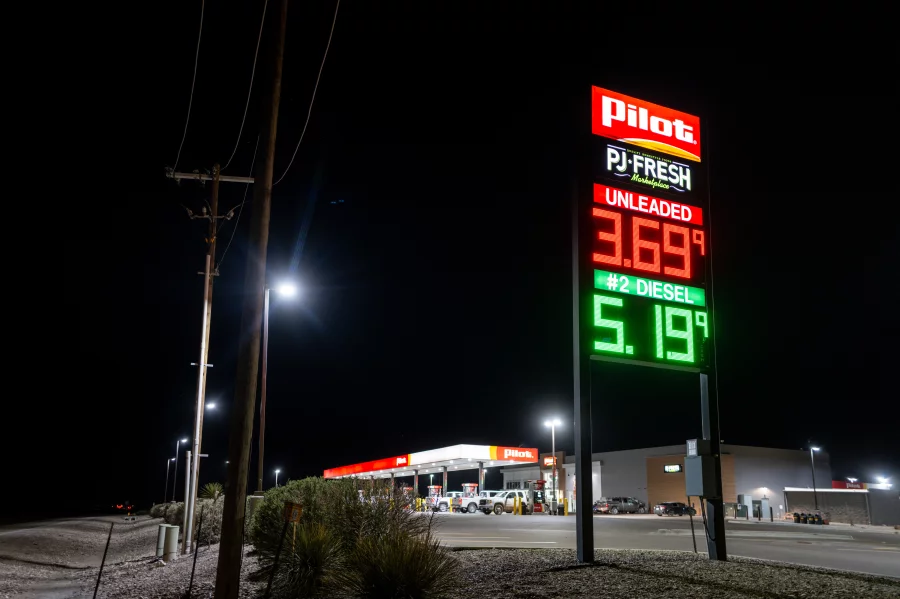
“This war is costing taxpayers nearly $1 billion per day and burning through critical munitions,” said Democratic Representative Ro Khanna. “This kind of spending is unsustainable, and Americans are already feeling the consequences as gas prices soar and economic uncertainty mounts.”
Still, with Republicans holding narrow majorities in Congress, any attempt to cut off funding faces significant political hurdles.
Beyond Washington, the costs of the conflict are already becoming visible. Estimates suggest the war is costing the US about $1bn per day, while global oil prices have surged past $100 a barrel, raising the risk of broader economic fallout.

The latest news in your social feeds
Subscribe to our social media platforms to stay tuned