
Gold Takes a hit, then Steadies as Trump Pulls back on Iran Strike Plans


With input from CNBC, Market Watch, and Reuters.
It was another rough start for precious metals on Monday – until it wasn’t.
Gold, already coming off its worst week in 15 years, dropped sharply again in early trading before clawing back much of those losses as the morning wore on. The turnaround came after Donald Trump signaled the US would hold off on planned strikes against Iran’s energy infrastructure, hinting at a possible cooling of tensions.
That was enough to calm markets – at least a little.
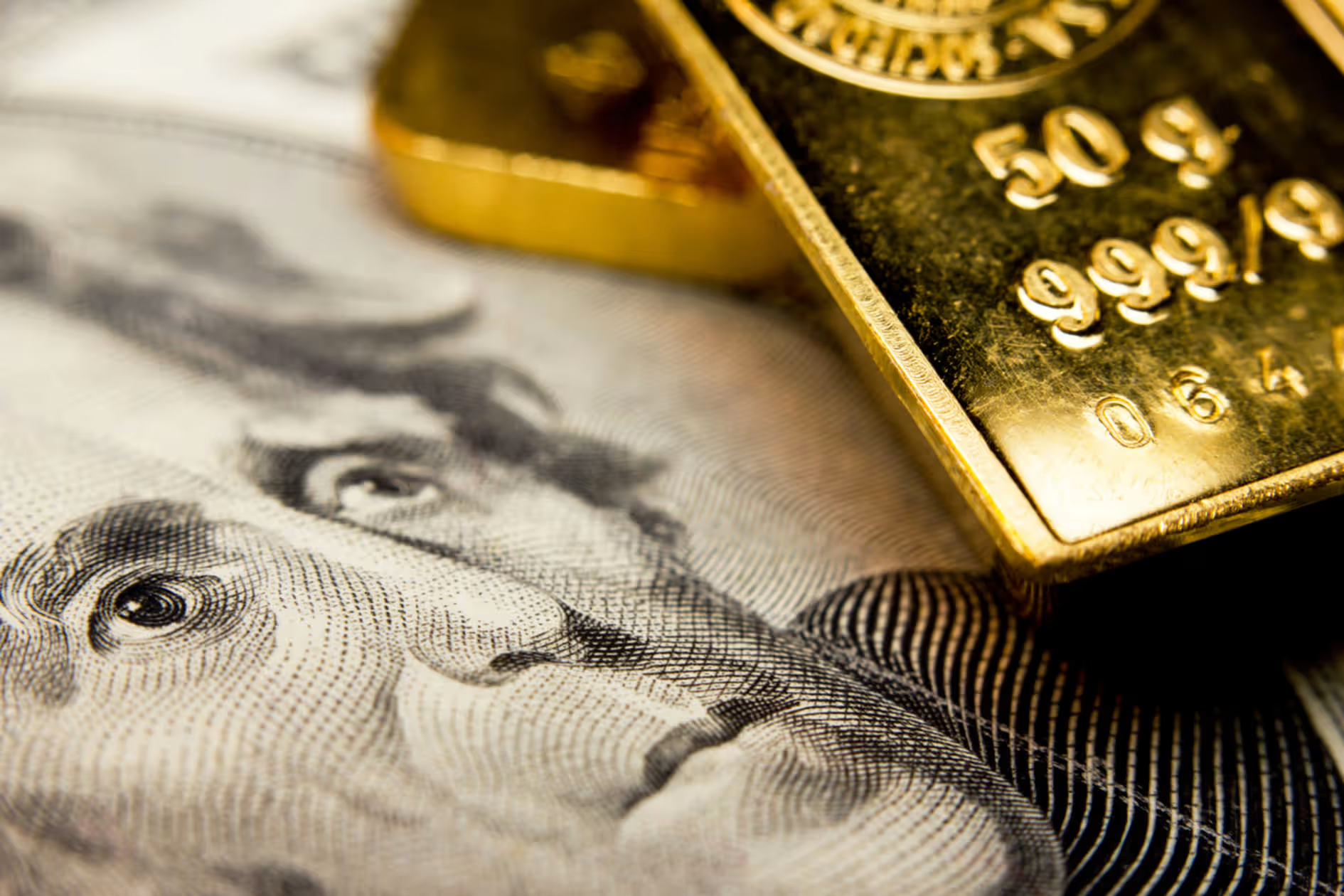
Earlier in the day, spot gold had plunged more than 5%, sliding to around $4,262. By late morning in London, it had rebounded to roughly $4,412. Futures told a similar story: down hard at first, then trimming losses to about 4% after briefly flirting with a near 10% drop.
Still, the bigger picture isn’t pretty. Gold shed nearly 10% last week – its worst performance since 2011 – and has now fallen about 25% from its late-January peak above $5,500.
Other metals didn’t escape the sell-off either. Silver sank to a year-to-date low, down nearly 6% on the day and roughly half its late-February highs when the Iran conflict first erupted. Platinum tumbled close to 10%, while palladium slid almost 5%.
The mood shift in markets has been swift. Gold usually shines in times of crisis, but this time investors are backing away. Rising fears about inflation – fueled by the conflict and potential energy shocks – are changing the equation.
Higher inflation often means higher interest rates. And higher rates make government bonds more attractive compared to metals like gold, which don’t pay interest. That shift has been pulling money out of the precious metals trade.
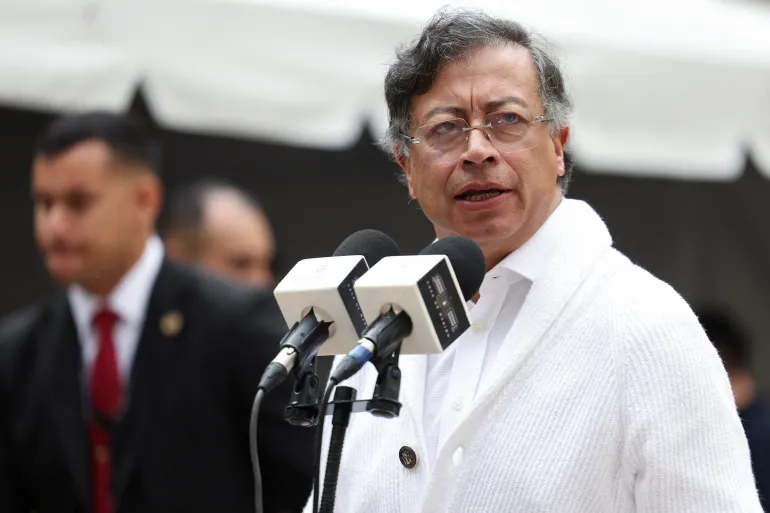
At one point, tensions looked set to escalate further. Trump had issued an ultimatum tied to the Strait of Hormuz, while Iran responded with threats aimed at US Treasury buyers. For some analysts, that was a turning point.
Nic Puckrin of Coin Bureau said the crowded rush into gold may finally be unwinding.
“What we’re seeing is the ultimate flight to safety,” he said, suggesting that even safe-haven trades can get overextended.
According to him, central banks and Gulf states may now be dipping into their gold reserves rather than stockpiling more, shifting the focus to protecting capital instead of chasing gains.
That dynamic could keep a lid on prices for a while.
For now, markets are stuck in a tug-of-war – between geopolitical risk, inflation fears, and sudden bursts of optimism when tensions ease. Monday had a bit of everything: panic selling at the open, cautious relief by midday, and plenty of uncertainty still hanging in the air.



The latest news in your social feeds
Subscribe to our social media platforms to stay tuned