


IEA Chief Warns Iran War Could Deliver a Huge Blow to the World Economy

AP, the Guardian, CNBC, Reuters, Al Jazeera, and Deutsche Welle contributed to this report.
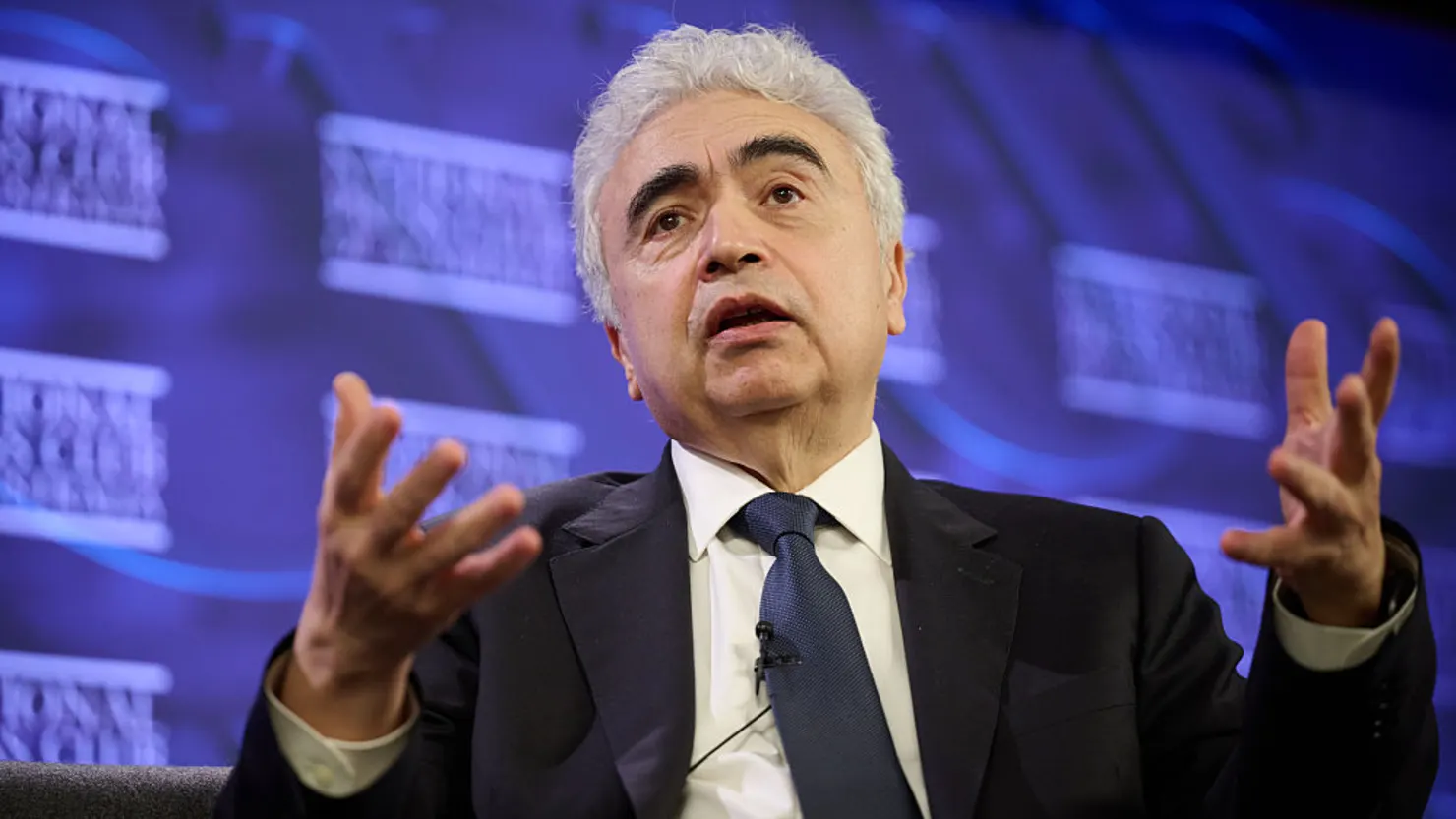
The head of the International Energy Agency is sounding the alarm: the Iran war is no longer just a regional crisis, it is a global economic threat.
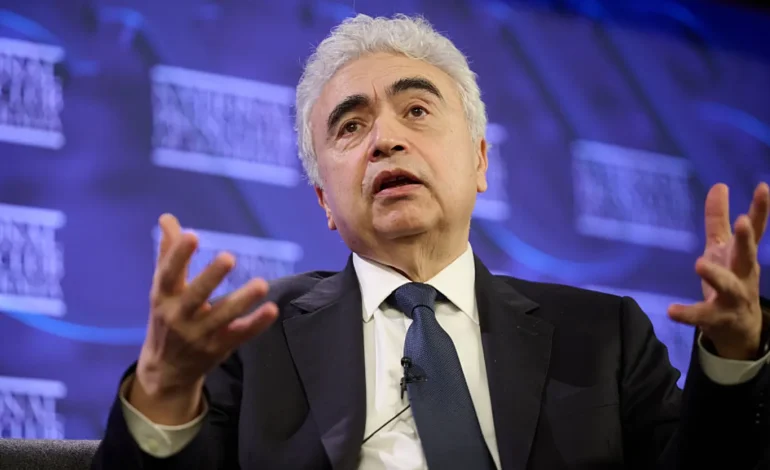
Fatih Birol said Monday in Canberra that “no country will be immune” if the conflict keeps spiraling. His warning lands as Israel launches fresh strikes on Tehran and US President Donald Trump threatens to wipe out Iran’s power plants if the Strait of Hormuz is not fully reopened within 48 hours.
That waterway matters a lot. A huge share of the world’s oil and gas moves through it, and shipping there has already been badly disrupted. Iran has said it would hit US and Israeli energy and infrastructure targets if its own facilities are attacked.
Birol did not mince words. He said the fallout from the war is already worse, in oil terms, than the two major shocks of the 1970s combined, and worse for gas than the Russia-Ukraine war.
He pointed to the damage already done: more than 40 energy assets across nine Middle Eastern countries have been severely or very severely hit. That includes oil and gas fields, refineries and pipelines, and repairs will not be quick.
“This situation is very severe,” he said.
The numbers are stark. Birol said the 1973 and 1979 oil crises together took about 10 million barrels a day off the market. This conflict, he said, has already knocked out 11 million barrels a day. On gas, the war in Ukraine cut around 75 billion cubic meters from global supply. The Iran war has already removed about 140 bcm, nearly double that.
And it is not just oil and gas taking the hit. Birol said trade in petrochemicals, fertilizers, sulfur and helium has also been thrown off balance, which could ripple through the wider economy.
The IEA has already stepped in once, releasing 400 million barrels from emergency stockpiles to calm markets. Birol said more action is possible if needed, and he is talking with governments across Europe, Asia, North America and the Middle East about the next move.
Still, he made clear that stock releases are only a cushion, not a fix.
“The single most important solution,” he said, “is opening up the Hormuz Strait.”
He also urged demand-side measures earlier, including more working from home, lower speed limits and less air travel, as a way to ease pressure on energy markets.
For now, the fear is simple: if the conflict drags on and energy flows stay choked, prices could stay high, inflation could jump, and the pain could spread far beyond the Middle East.


The latest news in your social feeds
Subscribe to our social media platforms to stay tuned