

Judge blocks Pentagon press policy in clash over media access
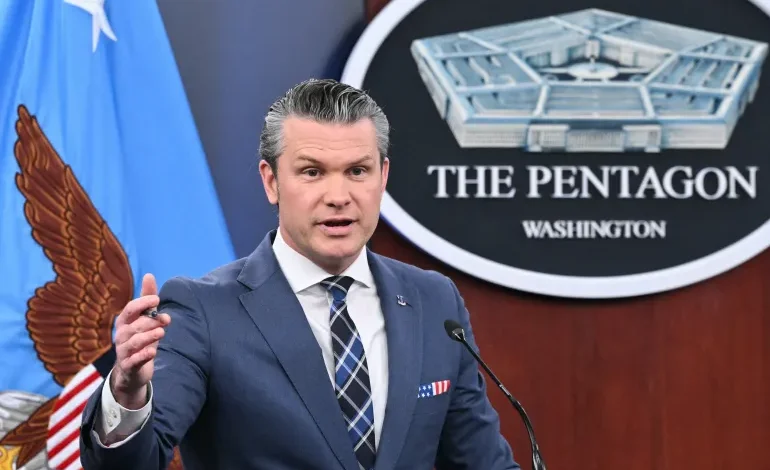

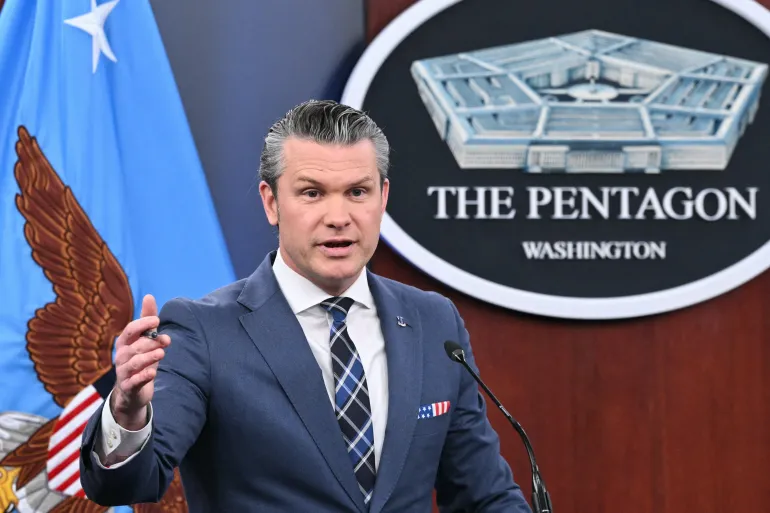
A US federal judge has blocked key parts of a Pentagon policy that restricted journalists’ access, siding with The New York Times in a case that cuts to the balance between national security and press freedom.
In a ruling issued Friday, US District Judge Paul Friedman found that the policy unlawfully limited press credentials, particularly targeting reporters who declined to accept the new rules and chose to leave the Pentagon press corps instead.
The case was brought by The New York Times against the Pentagon and Defense Secretary Pete Hegseth, arguing that the credentialing system violated constitutional protections. Friedman agreed, concluding that the policy failed to clearly define what journalistic activity could lead to penalties.
He wrote that the rules “fails to provide fair notice of what routine, lawful journalistic practices will result in the denial, suspension, or revocation” of press credentials, and ultimately violate First and Fifth Amendment rights.
The judge framed the issue in broader terms, pointing to the role of a free press in democratic oversight. “Those who drafted the First Amendment believed that the nation’s security requires a free press and an informed people and that such security is endangered by governmental suppression of political speech. That principle has preserved the nation’s security for almost 250 years. It must not be abandoned now,” he wrote.
The ruling arrives at a time when access to military information is under increased scrutiny, with the US engaged in active conflicts abroad. Friedman noted that in such conditions, public access to diverse sources of information becomes more, not less, important.
“But especially in light of the country’s recent incursion into Venezuela and its ongoing war with Iran, it is more important than ever that the public have access to information from a variety of perspectives about what its government is doing,” he said.
A central issue in the case was whether the policy amounted to viewpoint discrimination. Friedman said the evidence showed it was designed to exclude “disfavored journalists” and favour those more aligned with the government.
“In sum, the Policy on its face makes any newsgathering and reporting not blessed by the Department a potential basis for the denial, suspension, or revocation of a journalist’s [credentials],” he wrote.
The Pentagon had defended the policy as a security measure. Government lawyers argued that it imposed “common sense” safeguards to prevent sensitive information from being disclosed and to limit access by those deemed a risk.
“The goal of that process is to prevent those who pose a security risk from having broad access to American military headquarters,” they said.
The Times and its legal team rejected that framing, arguing the rules were applied inconsistently and used to sideline critical coverage.
“The First Amendment flatly prohibits the government from granting itself the unbridled power to restrict speech because the mere existence of such arbitrary authority can lead to self-censorship,” they wrote.
Friedman’s decision orders the Pentagon to reinstate credentials for seven Times journalists and applies more broadly to all affected reporters. He also declined a request from the Pentagon to delay enforcement of the ruling while it appeals.
The latest news in your social feeds
Subscribe to our social media platforms to stay tuned