


Trump signals possible wind-down as US expands military footprint

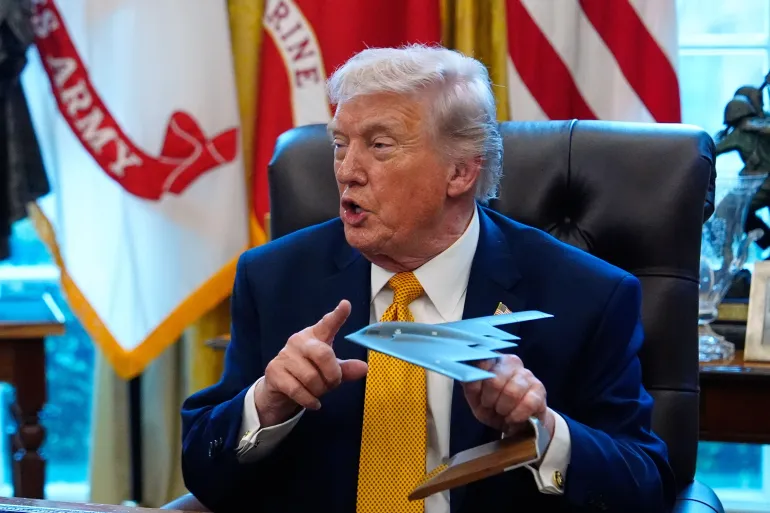
President Donald Trump says the US may be nearing the end of its military campaign against Iran.
In a social media post on Friday, Trump wrote that the US was “getting very close to meeting our objectives as we consider winding down our great Military efforts in the Middle East”. The statement came at a moment of mounting economic pressure, with rising oil prices dragging down US stock markets and prompting the administration to ease some restrictions on Iranian oil already in transit.
At the same time, the White House has been trying to put a timeline on the conflict. Press Secretary Karoline Leavitt said “the President and the Pentagon predicted it would take approximately 4-6 weeks to achieve this mission. Tomorrow marks week 3 – and the US Armed Forces are doing an exceptional job,” adding that “Day by day, the Iranian Regime is being crippled, and their ability to threaten the United States and our allies is being significantly weakened.”
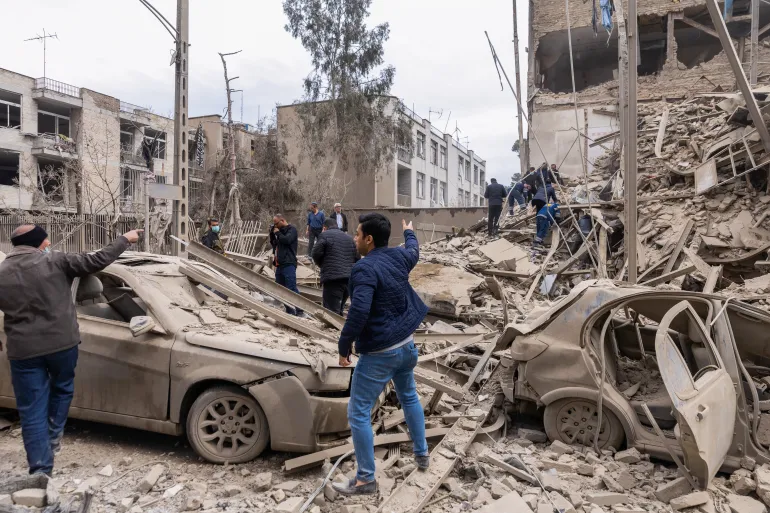
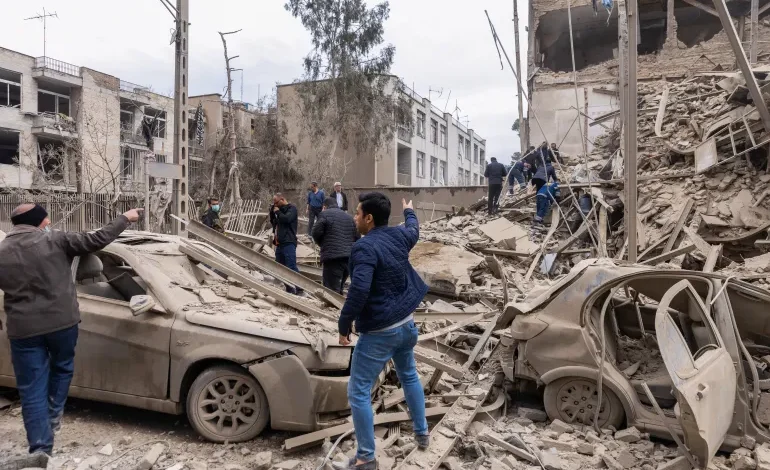
But the pace and direction of the war remain far from settled. On the ground, hostilities continue to escalate. US and Israeli strikes have hit areas around Tehran even as Iran marked Nowruz, while Iranian forces have launched missiles at regional targets, including the Diego Garcia base in the Indian Ocean. Attacks and counterattacks have also extended to Israel and Saudi Arabia, underlining how widely the conflict has spread.
Despite Trump’s suggestion that objectives are close to being met, the administration is simultaneously reinforcing its military presence. An additional 2,500 marines are being deployed to the region, joining a force that already exceeds 50,000 US troops. Meanwhile, the White House is seeking another $200bn from Congress to sustain operations.
Part of the uncertainty stems from shifting definitions of what success looks like. US and Israeli officials have pointed at different goals over the course of the conflict — from weakening Iran’s military capabilities to triggering internal political change. That fluid framing has made it harder to gauge when, or how, the war might conclude.
Iran, for its part, continues to signal resilience. Supreme Leader Mojtaba Khamenei said the country had delivered “a dizzying blow” to its adversaries, calling the war a “gross miscalculation”. The broader toll is already significant, with more than 1,400 reported deaths in Iran, over 1,000 in Lebanon from Israeli strikes, and casualties also reported in Israel and among US forces.

The latest news in your social feeds
Subscribe to our social media platforms to stay tuned