





The United States military has carried out another strike on what it described as a drug trafficking vessel in the eastern Pacific, with conflicting early reports on casualties later clarified by the Coast Guard.
US Southern Command said the operation took place a day earlier, targeting a “low-profile vessel” moving along known trafficking routes.
“Intelligence confirmed the low-profile vessel was transiting along known narco-trafficking routes in the Eastern Pacific and was engaged in narco-trafficking operations,” the command said, without providing further details.
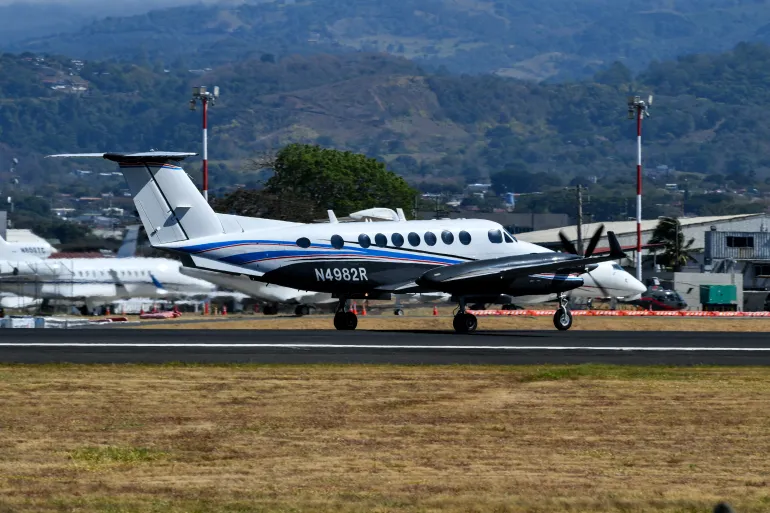
Initial statements indicated that three people had survived the attack. However, the US Coast Guard later said two of those individuals were found dead, leaving only one confirmed survivor. According to reports, the survivor and the bodies of the deceased were transferred to the Costa Rican Coast Guard.
Footage released by the military shows a small boat being struck and engulfed in flames.
The incident is part of a broader campaign known as Operation Southern Spear, which has targeted suspected trafficking vessels across waters off Latin America since September 2025. According to official figures, at least 159 people have been killed in 46 such strikes.
Survivors of these operations have been rare. Before this incident, only two had been publicly acknowledged, in October, and were later returned to their home countries without charges.
The Trump administration has framed the campaign as a deterrence measure aimed at disrupting drug trafficking networks. But the operations have drawn growing criticism from legal experts, who argue they may constitute extrajudicial killings under international law.
Concerns intensified after reports that an earlier strike involved a “double-tap” attack, in which survivors of an initial bombing were reportedly targeted again. Calls from lawmakers to release video evidence of that incident have so far gone unanswered.
The US government has not publicly identified those killed in the strikes or provided detailed evidence linking them to trafficking activities. In some cases, families in countries such as Colombia and Trinidad and Tobago have said the victims were civilians, including fishermen and migrant workers.


The latest news in your social feeds
Subscribe to our social media platforms to stay tuned