
Cuba braces for pressure as blackouts deepen crisis

Cuba is managing two overlapping pressures at once: an internal energy collapse and rising external tension with the United States. Officials in Havana say they are preparing for both.
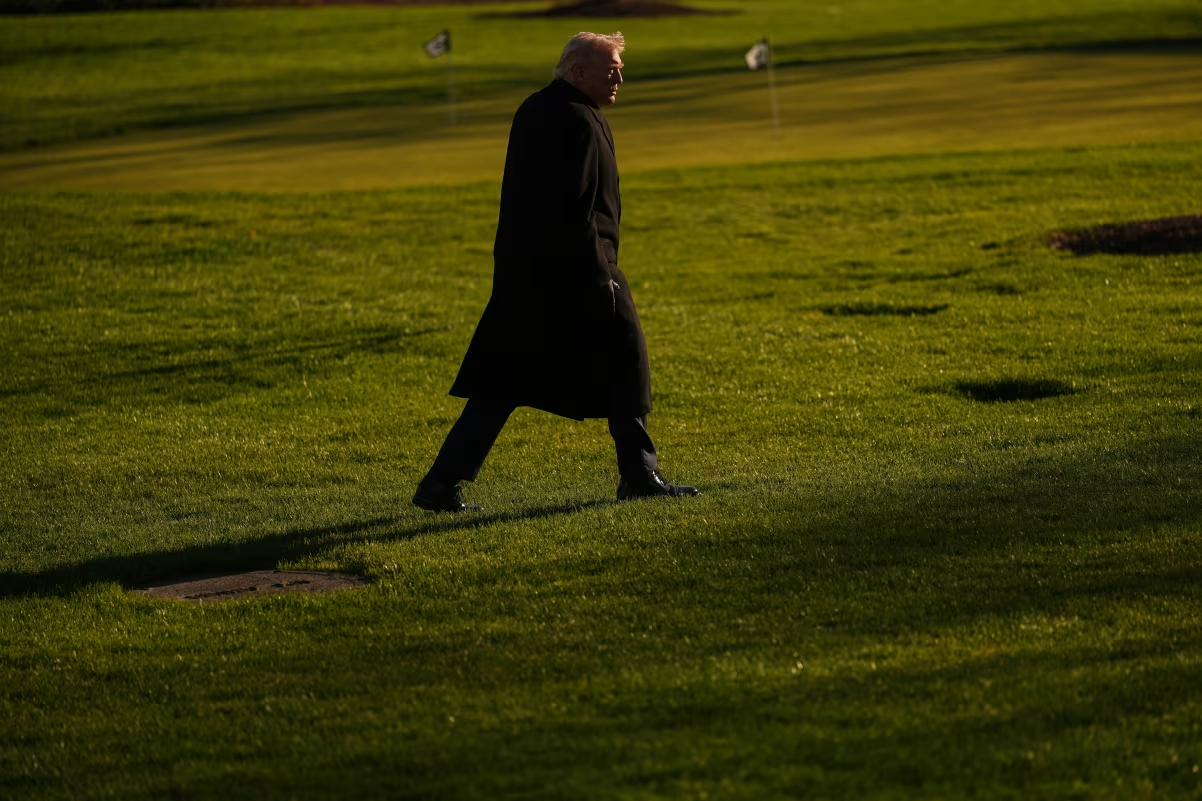
Deputy Foreign Minister Carlos Fernandez de Cossio made that clear in response to recent statements from US President Donald Trump, who has threatened to take over the island.
“We don’t believe it is something that is probable, but we would be naive if we do not prepare,” de Cossio said.
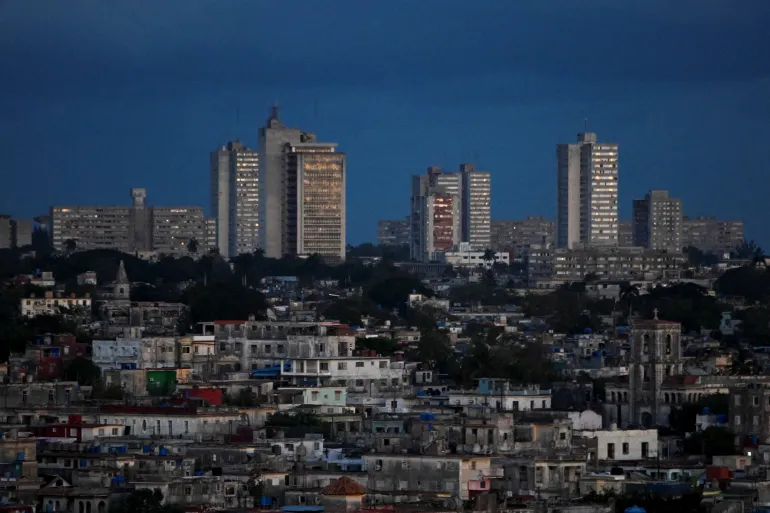
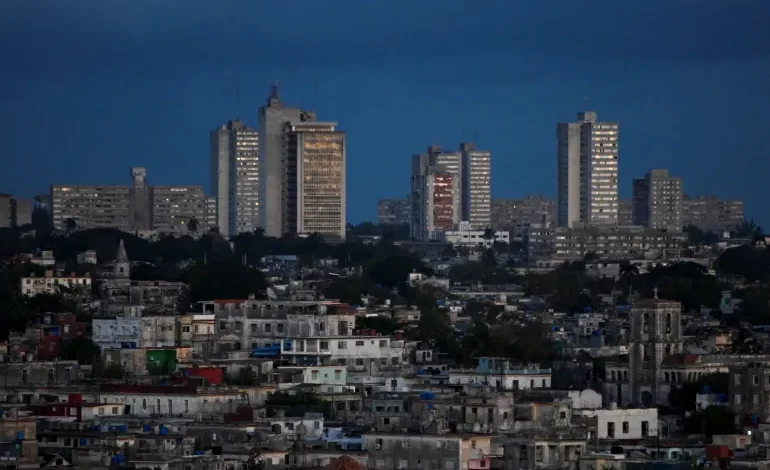
His remarks come at a moment when the country’s infrastructure is visibly strained. A nationwide blackout over the weekend — the second in a week and the third in March — left millions without power, underscoring how fragile the system has become.
By Sunday morning, electricity had been partially restored in Havana, with around 72,000 customers back online, including five hospitals. But that number represents only a small share of the capital’s roughly two million residents.
Authorities traced the outage to an unexpected shutdown at the Nuevitas thermoelectric plant in Camaguey province. No further explanation was given, but the incident reflects a broader pattern: an ageing grid operating under increasingly difficult conditions.
Energy shortages are not new in Cuba, but they have intensified sharply in recent months. According to President Miguel Diaz-Canel, the country has not received oil from foreign suppliers for three months and currently produces only about 40 percent of the fuel it needs.
That gap is being widened by US policy. The Trump administration has tightened pressure by blocking oil shipments to the island and warning potential suppliers they could face tariffs. The measures are part of a broader escalation that has combined economic restrictions with increasingly direct political rhetoric.
On March 16, Trump suggested that Cuba’s leadership was close to collapse and said he expected to have the “honour” of taking the country — a statement that has been met with firm rejection in Havana.
De Cossio dismissed any suggestion that Cuba’s political system could be part of negotiations. He said that the nature of the government was not up for discussion in ongoing talks with Washington and that any change to it was “absolutely” off the table.
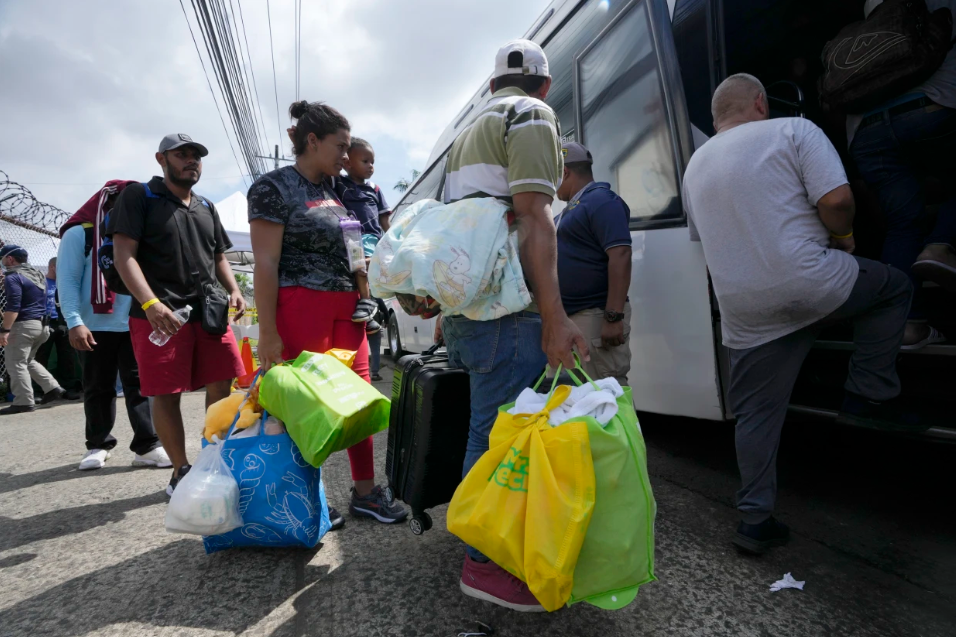
At the same time, US officials have attempted to draw a line between rhetoric and military planning. General Francis Donovan, head of US Southern Command, told lawmakers that troops were not preparing for an invasion of Cuba. However, he noted that the US remained ready to respond to threats involving its embassy, its base at Guantanamo Bay, or potential migration flows from the island.
Even routine logistical issues are now affected by the standoff. Cuba reportedly refused a request from the US embassy in Havana to import diesel for backup generators, according to US officials cited by The Associated Press.
The situation leaves Cuba navigating a narrow path. Internally, it is dealing with recurring blackouts and limited fuel supply. Externally, it is responding to mounting pressure from Washington while trying to maintain a controlled diplomatic channel.

The latest news in your social feeds
Subscribe to our social media platforms to stay tuned