

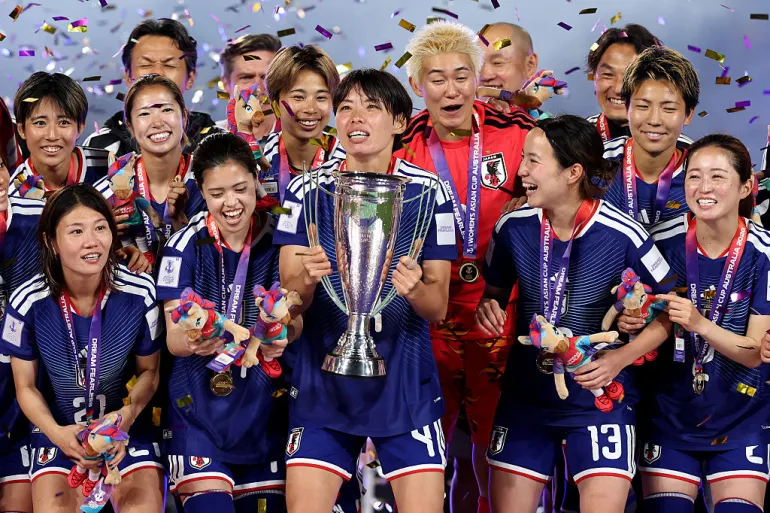



Japan edge Australia again as Hamano strike seals Asian Cup title
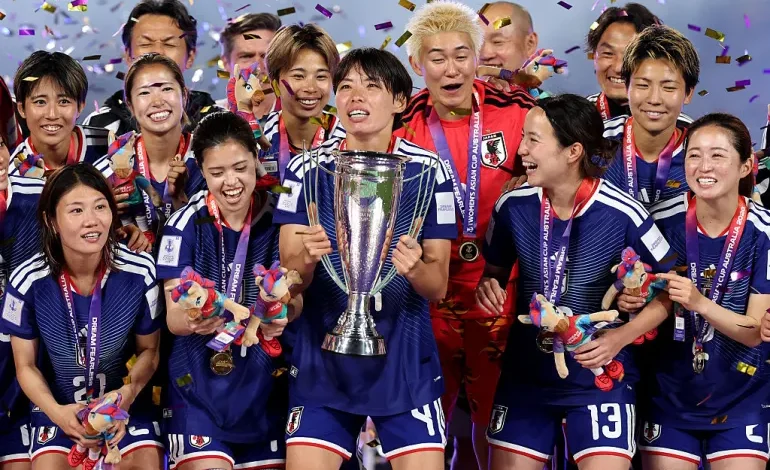

Japan did not overwhelm Australia in the final, they did something more familiar. They controlled the margins, took their moment, and left with the trophy.
A single goal from Maika Hamano was enough to secure a third Women’s Asian Cup title, as Japan beat Australia 1-0 in front of a record 74,357 fans in Sydney. It was a result that echoed the past: both of Japan’s previous finals wins in 2014 and 2018 also came against Australia, and both ended with the same narrow scoreline.
This time, the decisive moment arrived early. In the 17th minute, Hamano collected the ball outside the box and struck from distance, sending a precise effort into the top corner. It was the kind of goal that shifts the entire tone of a final — and, as it turned out, enough to settle it.
Australia had started with composure and intent, looking to impose themselves on the game. Caitlin Foord had a clear chance inside the opening 15 minutes but failed to convert, shooting straight at goalkeeper Ayaka Yamashita. It was a miss that lingered.
Six minutes later, Japan punished it.
From that point on, the game settled into a familiar pattern. Australia pushed, Japan absorbed. The hosts created moments — Foord again found space after a defensive error but couldn’t capitalise, and later sent another effort wide before halftime. Each missed opportunity quietly reinforced the balance of the match.
Japan, meanwhile, remained efficient and composed. They didn’t need many chances, but still looked dangerous, with Riko Ueki coming close twice shortly after the break. Their broader tournament form had already established them as the most complete side: 29 goals scored, just one conceded across six matches.
As the clock ticked down, the final shifted into pressure mode. Australia threw numbers forward, chasing an equaliser in front of a crowd that had grown louder with each minute. The atmosphere reflected more than just the match — the tournament itself had set new attendance records, with more than 350,000 fans overall, underlining the accelerating growth of the women’s game.
But Japan held their shape.
Even in the closing stages, when Alanna Kennedy nearly found a late equaliser in the 88th minute, the defensive line held firm. There was no collapse, no loss of control — just a disciplined, measured finish.
In the end, the final reinforced what the tournament had already shown. Japan are not just effective — they are consistent under pressure, capable of turning tight games in their favour without needing dominance.
For Australia, the story was different. The performance was competitive, even threatening at times, but ultimately defined by missed moments. Against a team as clinical as Japan, that margin was enough.
The result also carried broader implications. The tournament doubled as qualification for next year’s World Cup in Brazil, with Japan and Australia both advancing alongside South Korea, China, North Korea and the Philippines.



The latest news in your social feeds
Subscribe to our social media platforms to stay tuned