



With input from AP, Gallup, and USA Today.
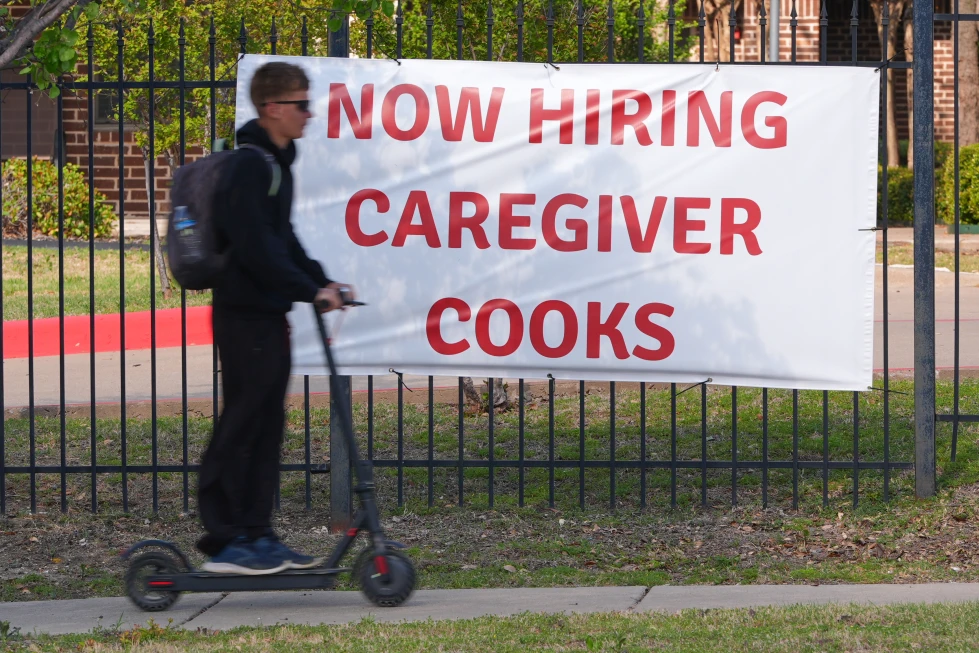
The US job market might look solid on paper. Talk to workers, though, and you’ll hear something very different.
A new Gallup survey shows confidence has taken a sharp hit. Just 28% of workers said late last year it’s a good time to find a quality job. Not long ago – mid-2022 – that number sat near 70%. The swing is dramatic, and it’s happened quickly.
Even in late 2024, sentiment hadn’t fully collapsed. Roughly half of workers were still optimistic back then. Now, nearly three-quarters think it’s a bad time to be job hunting.
The shift doesn’t line up neatly with the headline data. Unemployment remains relatively low. But hiring has slowed to a crawl, and that’s what people are feeling. Economists call it a “low-hire, low-fire” market: companies aren’t laying off in large numbers, but they’re not bringing many people in either.
That leaves workers stuck. And plenty of them know it.
More than half say they’re either actively looking for a new role or at least keeping an eye out. Still, many aren’t moving. Around 30% say they feel trapped in their current job, while others point to the financial risk of leaving – losing pay, benefits, or flexibility – as too high to take.
The frustration is showing up in other ways. For the first time since Gallup started tracking it, more workers say they’re struggling in life than thriving. Engagement at work has slipped to its lowest level in a decade.
Dig a little deeper, and the pessimism isn’t evenly spread.
College-educated workers are among the most downbeat. Just 19% think it’s a good time to find a job, compared with 35% of those without a degree. That’s a reversal from previous years and likely tied to a hiring slump across white-collar sectors – tech, marketing, customer service – where layoffs and freezes have dragged on.
Younger workers are also feeling it. Only about 1 in 5 people aged 18 to 34 see good opportunities out there, while older workers are far more relaxed. Many of them already have stable roles and aren’t looking to move, which helps explain the gap.
The numbers behind the scenes back up the mood. The US hiring rate dropped to 3.2% late last year, the lowest since 2013 – back when unemployment was much higher. There are now more unemployed people than open jobs, flipping the dynamic seen in the post-pandemic hiring boom.
For job seekers, that reality is hard to ignore. Nearly half of those actively applying say the experience has been negative. Many send out applications and hear nothing back. No interviews. No callbacks.
Meanwhile, pay isn’t offering much relief. Wage growth has cooled, and fewer people are landing higher salaries when switching jobs. Some are even taking pay cuts just to secure a position.
All of it adds up to a workforce that’s restless but going nowhere fast. People want better options. They just don’t see them.
And until hiring picks up again, that mood isn’t likely to lift.


The latest news in your social feeds
Subscribe to our social media platforms to stay tuned