



Qatar warned of energy risks before Iranian strike on LNG hub
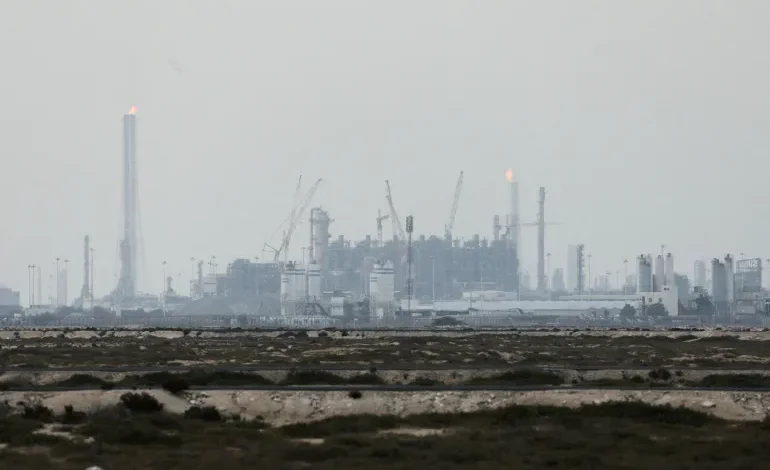

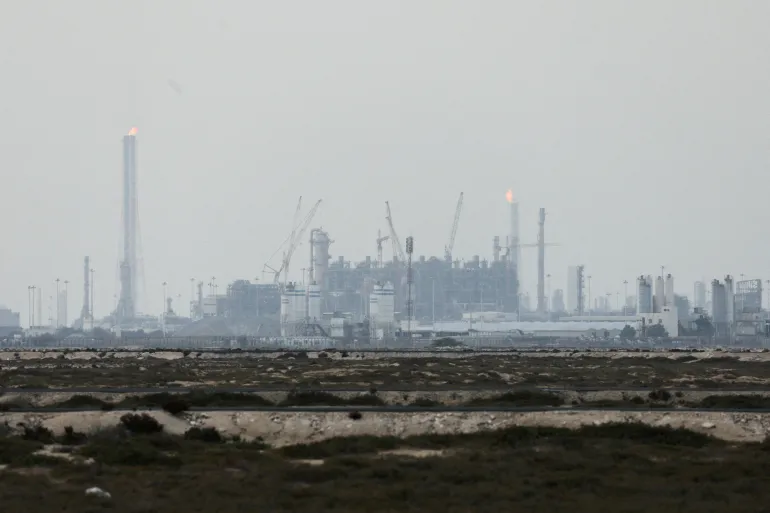
Qatar’s energy minister and QatarEnergy CEO Saad al-Kaabi says he repeatedly warned US officials and industry partners about the risks to Gulf energy infrastructure before Iran struck the Ras Laffan Industrial City, the world’s largest LNG facility.
In an interview with Reuters, al-Kaabi said he had been in регулярный contact with both policymakers and executives. “always warning, talking to executives from oil and gas that are partnered with us, talking to the US Secretary of Energy [Chris Wright], to warn him of that consequence and that that could be detrimental to us”.
He added that the risks were well understood in advance.
“They were aware of the threat, and they were always reminded by me, almost on a daily basis, that we need to make sure that there is restraint on oil and gas facilities,” he said.
The warnings came amid escalating tensions following the US and Israeli campaign against Iran, which has increasingly drawn in regional energy assets. After an Israeli strike on Iran’s South Pars gasfield, Tehran retaliated with coordinated attacks on infrastructure across the Gulf, including in Qatar, Kuwait and the United Arab Emirates.
The damage to Ras Laffan appears significant. Al-Kaabi said the strike knocked out key LNG processing infrastructure, cutting about 17 percent of Qatar’s export capacity.
“The cold boxes are gone,” he said, referring to the specialised units used to cool and liquefy gas for transport.
“This is the main unit, that is the cooling box of the LNG, it is completely destroyed.”
The disruption could ripple far beyond the region. Qatar is a major supplier of liquefied natural gas to both Europe and Asia, and al-Kaabi warned that the impact on deliveries could last for years.
US officials have acknowledged the broader risks but framed them as anticipated. A White House spokesperson said the administration was not “ignorant of the reality that there would be short-term disruptions to oil and gas supply during the ongoing operations in Iran, and planned for these highly anticipated, temporary disruptions”.
Even under more stable conditions, recovery will take time. Al-Kaabi said production could only restart once hostilities cease, with a full return expected to take at least three to four months.

The latest news in your social feeds
Subscribe to our social media platforms to stay tuned