

Strikes widen as US, Israel and Iran escalate threats
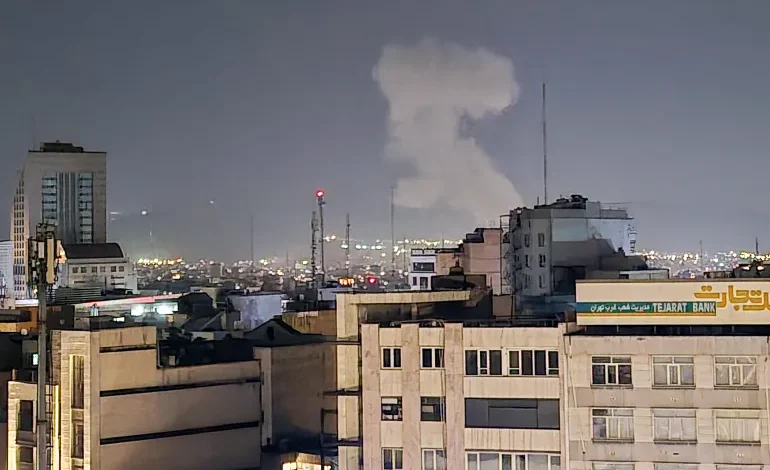

The war between the United States, Israel and Iran is entering a more dangerous phase — one where the scope of targets is expanding and the line between military and civilian infrastructure is increasingly blurred.
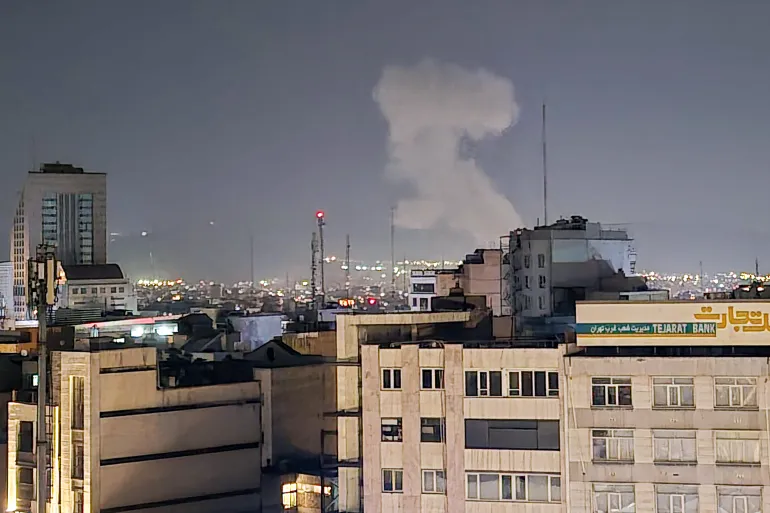
On Monday, Israel announced it had “begun a wide-scale wave of strikes” on infrastructure targets in Tehran, marking another escalation in a conflict that has already spread across multiple regions. Details remained limited, but reports from the ground suggested a sharp increase in intensity.
The United States, meanwhile, confirmed it had targeted a turbine engine production facility in Qom province, describing it as linked to drone and aircraft components used by the Islamic Revolutionary Guard Corps. At the same time, US Central Command chief Admiral Brad Cooper said Iran was launching attacks from populated areas, implying those locations could become targets — though no evidence was provided.
The impact on civilians is becoming harder to separate from the military campaign. Iranian media reported casualties from strikes on residential areas, including the death of a child in Khorramabad and multiple fatalities in Tabriz. Additional explosions were reported across several cities, including Isfahan, Karaj and Ahvaz, where a hospital was said to have been affected.
The conflict is not contained within Iran. Iranian missile strikes continued overnight in Israel, with sirens sounding in multiple regions. In the north, Israeli authorities pointed to what they described as a coordinated attack involving both Iran and Hezbollah.
Within Israel, there is also concern about the trajectory of the war itself. “The concern in Israel is that the US might stop the war prematurely, reason why Israeli officials continue to send messages that they will continue to crack down more on Iran and that the fighting with Hezbollah is just at the start,” Ibrahim added.
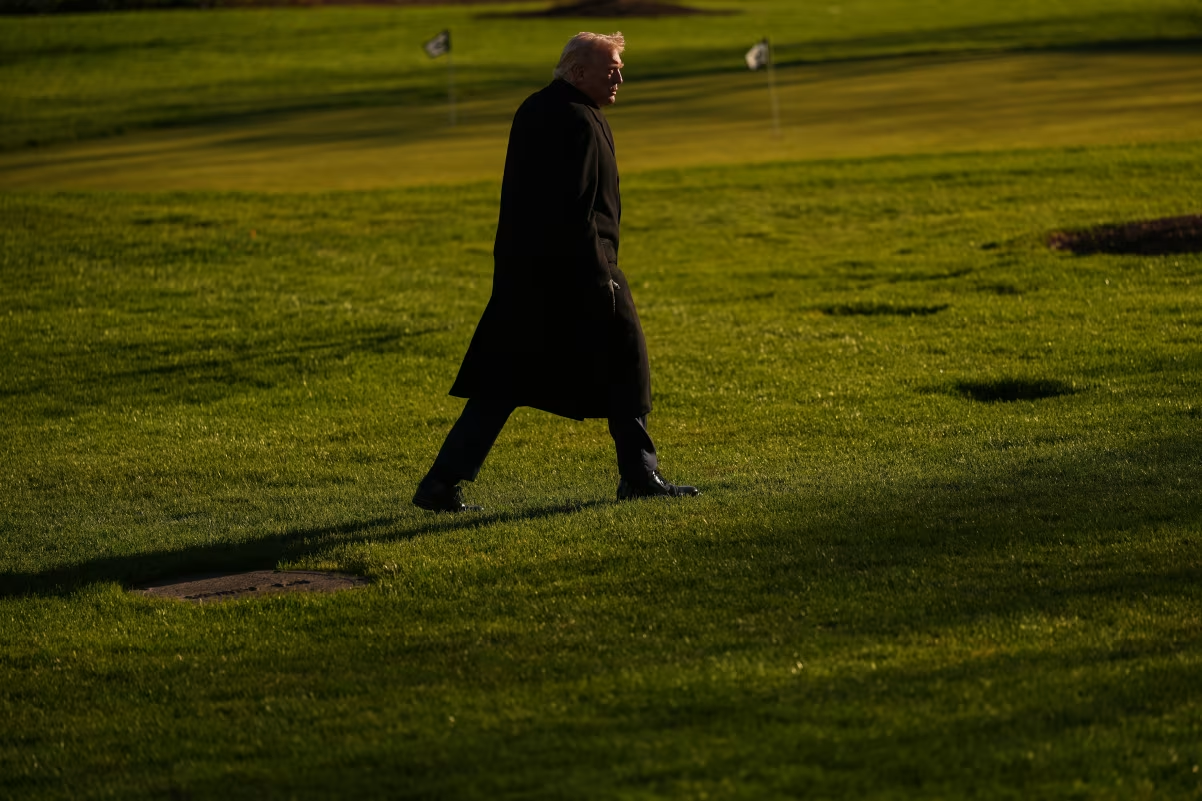
At the political level, the exchange of threats has intensified. US President Donald Trump has issued a 48-hour ultimatum demanding that Iran reopen the Strait of Hormuz, warning that failure to comply could result in the destruction of Iranian power plants. Tehran has responded with its own escalation.
The Islamic Revolutionary Guard Corps said that any such strike would trigger attacks on energy infrastructure linked to US interests across the region.
“Do not doubt that we will do this,” the IRGC said, signalling a willingness to expand the conflict beyond direct military targets.
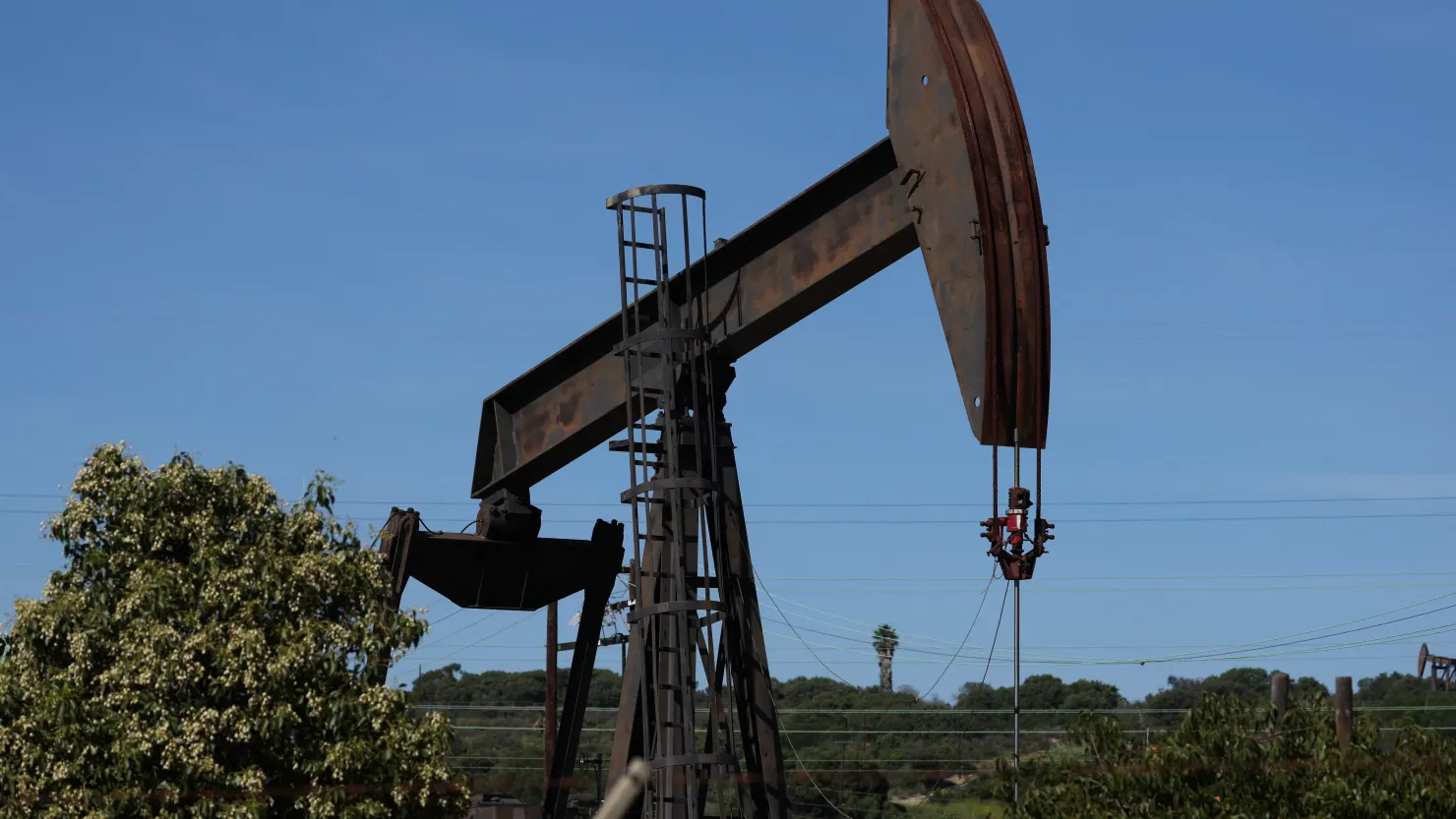
The consequences are already visible. Iran’s reported death toll has surpassed 1,500, while at least 15 people have been killed in Israel. At the same time, markets are reacting to the growing risk of disruption, particularly as the Strait of Hormuz — a key route for global oil supplies — remains under threat.



The latest news in your social feeds
Subscribe to our social media platforms to stay tuned