

Trump May Be able to Talk Markets down — but Iran Is a Much Harder Exit

With input from CNN, Reuters, Business Insider, and Bloomberg.
Markets loved Monday’s headline. Real life is going to be harder.
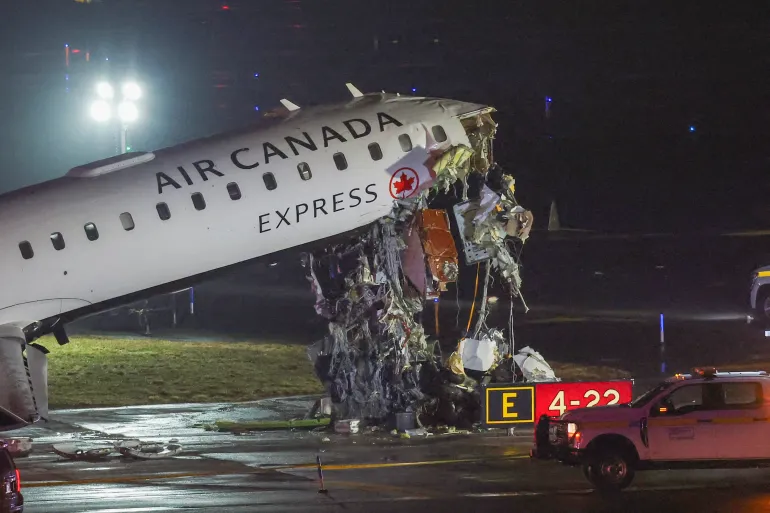
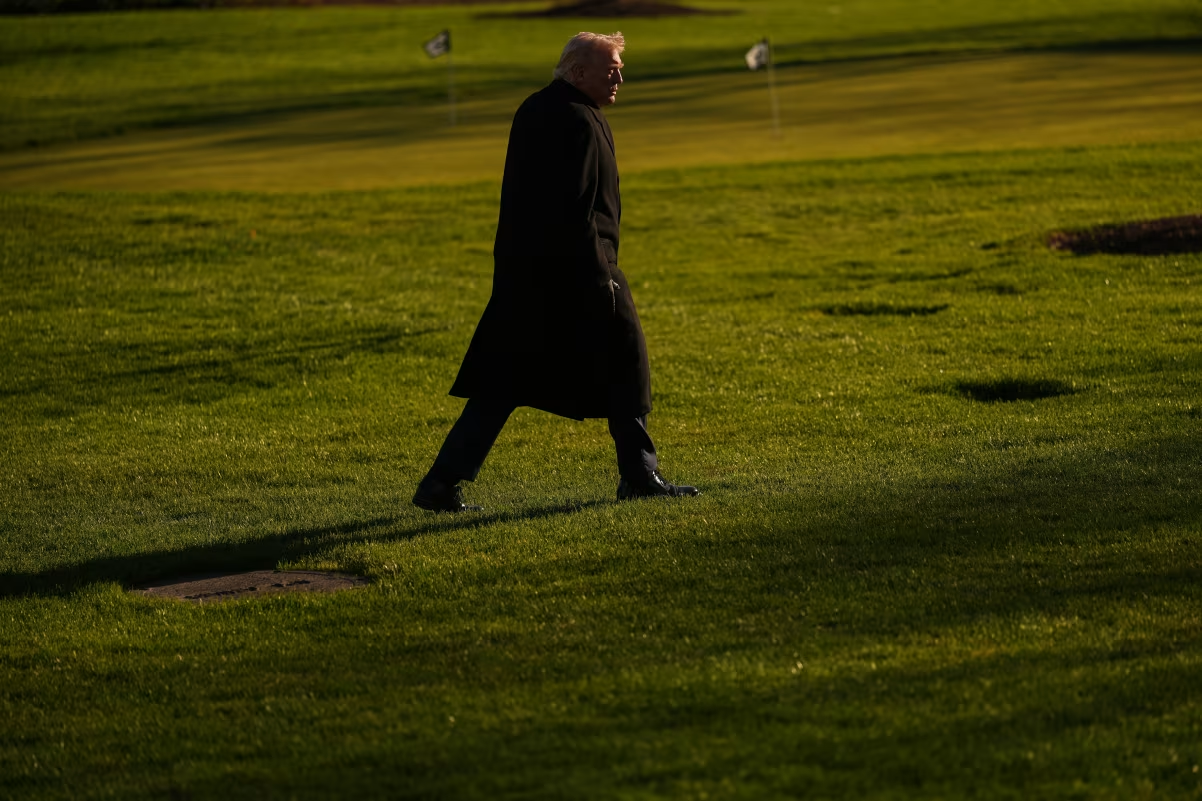
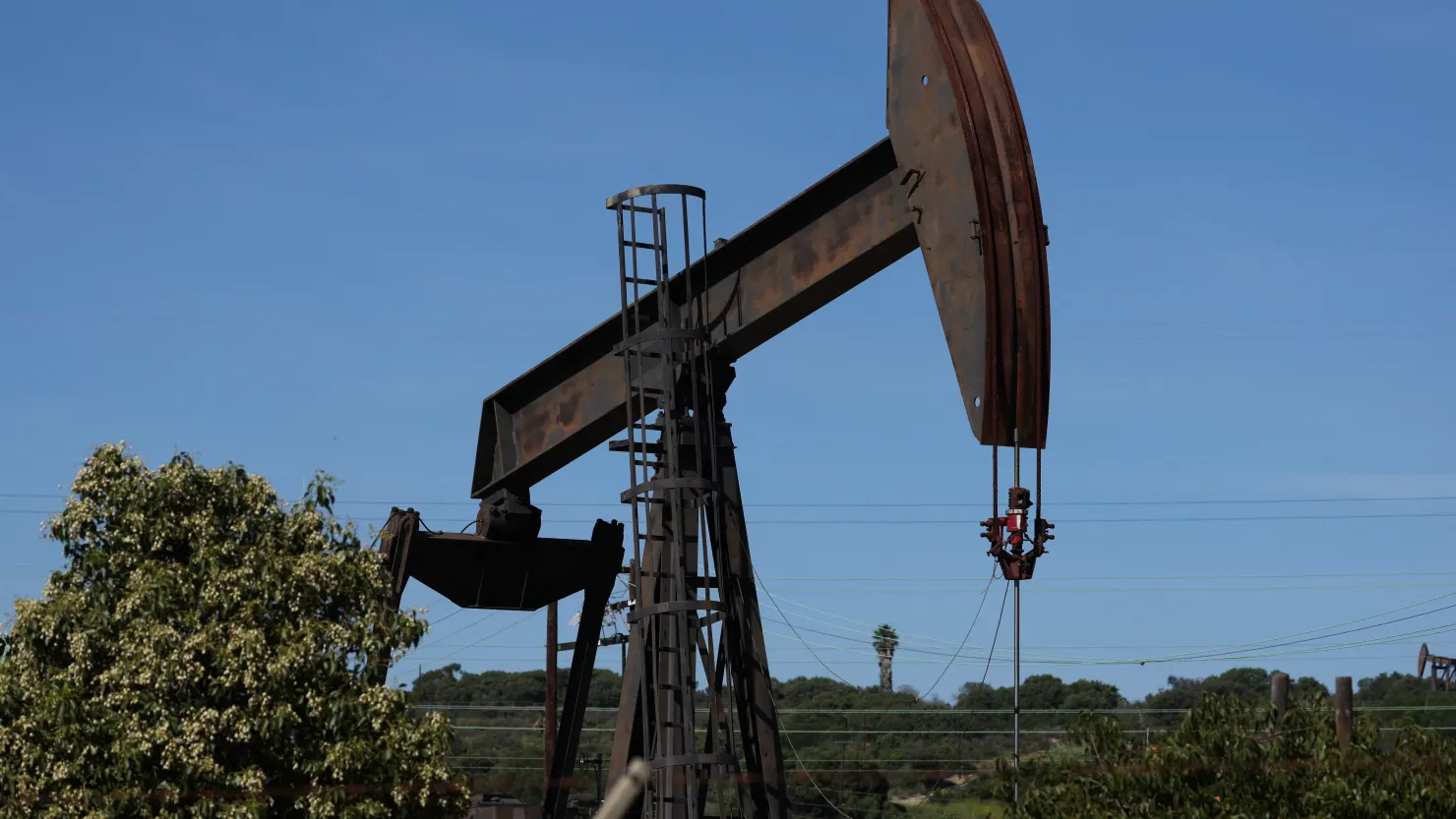
After days of rattling threats, President Donald Trump suddenly hit pause on strikes against Iran’s power plants and said the US and Tehran had held “productive” talks. Oil dropped hard. Stocks jumped. For a few hours, it looked like another Trump-flavored reversal had arrived just in time to calm Wall Street.
But war is not a tariff. It does not switch off because the president changes his tone on Truth Social.
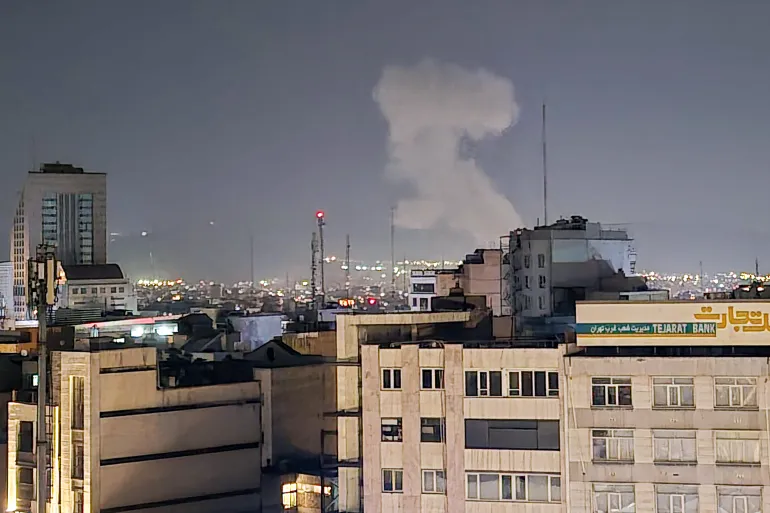
That is the awkward truth sitting behind the market bounce. Trump may have found a way to cool the immediate panic, but getting out of the Iran war is a different job entirely. He helped push the conflict to the brink by threatening Iran’s energy network and warning over the Strait of Hormuz. Now he may be discovering that de-escalation is much easier to post than to pull off.
The biggest problem is trust. Tehran denied that any real talks had taken place. Iranian officials also made clear that their position on Hormuz had not changed. So while Trump described progress, the other side basically said: not so fast.
That leaves investors in a familiar place — reacting to headlines they cannot fully verify, in a conflict where neither side is likely to hand the other a clean win.
And that is why this may not be a classic TACO moment. Trump has used tough talk before, then backed away when markets or politics turned ugly. But Iran is not the trade war with China. There is no simple tariff rollback here, no neat press release that makes supply chains whole again.
The options are all ugly.
He could keep escalating and hammer Iranian targets around the Strait, but that does not guarantee safe shipping. He could send in ground troops, which would be a huge political gamble and a throwback to the kind of wars he spent years attacking. Or he could declare victory, walk away, and hope the whole thing doesn’t come back to bite him later.
That last option may be the most tempting. It would calm markets, at least for now. It would also leave allies exposed, leave the Strait still vulnerable, and leave the nuclear issue unresolved.
That is the part markets do not like to price in. Even if there is a ceasefire, oil and gas flows do not instantly reset. Damage to infrastructure takes time. Supply chains take time. Prices take time. The pain does not disappear because the rhetoric softens for a day.



The latest news in your social feeds
Subscribe to our social media platforms to stay tuned