



US Pays to Scrap Offshore Wind as Trump Doubles Down on Oil and Gas

Axios, CNN, CNBC, and US Department of the Interior contributed to this report.
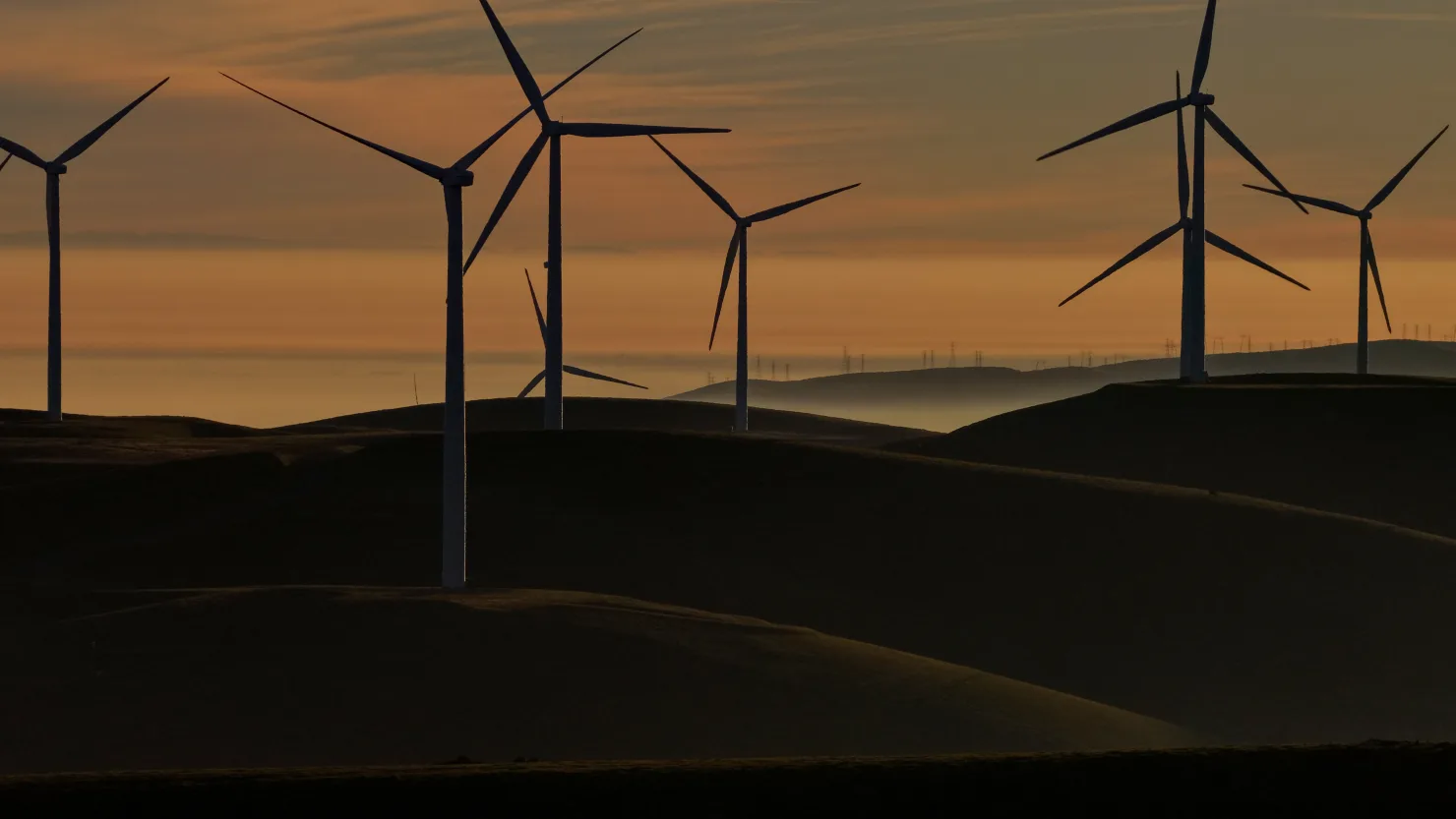
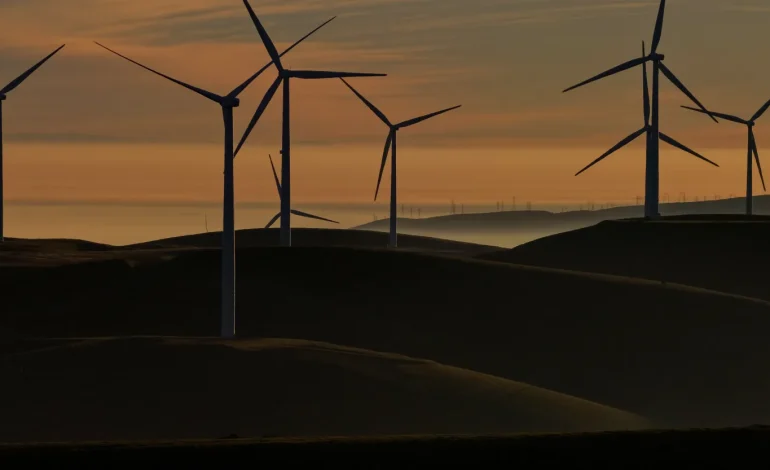
In a move that’s turning heads across the energy world, the Trump administration is effectively paying to shut down offshore wind projects – and redirecting that money into fossil fuels instead.
At a major energy conference in Houston, Interior Secretary Doug Burgum stood alongside Patrick Pouyanné to announce a deal that cancels about $1 billion worth of offshore wind leases held by TotalEnergies.
The twist? The same amount will now be funneled into oil, gas and liquefied natural gas projects in the US.
It’s a sharp pivot – and a pretty clear signal of where US energy policy is heading under Donald Trump.
The agreement wipes out planned wind projects off the coasts of New York and North Carolina, developments that could have powered millions of homes. Instead, TotalEnergies is shifting focus to a major LNG project in Texas, along with oil drilling in the Gulf and shale gas production.
For the administration, the argument is straightforward. Burgum called offshore wind one of the most expensive and unreliable energy sources, pointing to its higher costs compared to onshore wind and fossil fuels.
Pouyanné didn’t dress it up much either. Companies, he said, invest where government policy points them – and right now, that means moving away from offshore wind in the US, even if the company continues those projects elsewhere.
What makes this moment stand out is how unusual it is. Governments don’t typically reimburse companies to abandon projects. But after legal setbacks slowed efforts to block wind farms outright, this looks like a new tactic: pay developers to walk away.
Critics aren’t holding back.
Environmental groups say the move undercuts clean energy just as electricity demand is surging – driven by data centers, electrification and rising consumption. Scrapping these projects, they argue, could tighten supply and push prices higher, especially along the East Coast.
There’s also a broader concern. Offshore wind may be pricey, but it’s one of the few large-scale renewable options near major population centers. Pulling it out of the pipeline leaves a gap that isn’t easy to fill.
Still, the administration is betting on a different mix: more domestic oil and gas, more LNG exports, and what it calls more “reliable” power.
Whether this is a one-off deal or the start of a wider trend is the big question now. Several other companies sitting on offshore wind leases could be watching closely – and may want similar payouts if their projects are effectively blocked.
For now, one thing is clear: US energy policy just took another decisive turn away from offshore wind.


The latest news in your social feeds
Subscribe to our social media platforms to stay tuned