




With input from the New York Times, Al Jazeera, Reuters.
The energy crunch rippling out of the war with Iran is starting to bite – and in parts of Asia and beyond, it’s hitting with a force that feels eerily close to the oil shocks of the 1970s.
The trigger is clear. Fighting has disrupted flows through the Strait of Hormuz and rattled oil and gas infrastructure across the Gulf, sending prices higher and supplies into question. For wealthier economies, it’s a headache. For developing countries, it’s something closer to a crisis.
Across South Asia, the Middle East and parts of Africa, governments are scrambling to cope with a brutal mix: heavy dependence on imported fuel and limited cash to cushion the blow.
Take Pakistan. The country relies on the Gulf for roughly 80% of its energy, and officials are already in damage-control mode. Schools have been shut. Government offices are running on a four-day week. Public workers are being told to stay home. Fuel use is being cut wherever possible.
Prime Minister Shehbaz Sharif has tried to ease the pressure by holding back further fuel price hikes, at least for now, even as the government absorbs rising costs. But that breathing room may not last. Reserves are thinning, and economists warn the real impact hasn’t fully filtered through yet.
Elsewhere, the picture is just as strained.
In Bangladesh, which imports nearly all its oil, fuel stations in some areas are already running dry despite rationing. Sri Lanka – still recovering from a financial collapse – has declared weekly public holidays and rolled out fuel permits to stretch dwindling supplies.
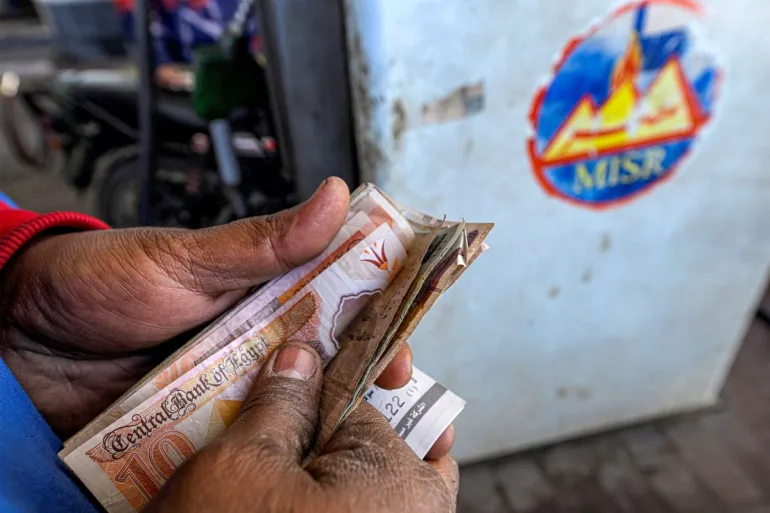
Move west to Egypt, and the squeeze looks different but no less painful. Shops are closing earlier, lights are dimmed, and fuel prices have been pushed up sharply despite the risk of public backlash. President Abdel Fattah el-Sisi has framed the hikes as necessary to avoid something worse.
What’s making this episode particularly harsh is the financial backdrop. Many of these economies were already carrying heavy debt loads and struggling with weak currencies. As investors pile into the US dollar, local currencies slide, making imports – even more expensive ones like oil – costlier by the day.
For households, the squeeze is immediate. Fuel and food take up a bigger share of income in poorer countries, so price spikes hit faster and harder. Governments often try to shield citizens with subsidies, but those buffers are wearing thin.
The risk isn’t just economic. Prolonged price shocks can trigger something more volatile – social unrest, fiscal crises, political instability.
And there’s another layer building beneath the surface: food.
In Pakistan, rising diesel costs are already pushing up transport and farming expenses. That matters because diesel powers almost everything in the agricultural chain – from tractors in the fields to trucks hauling grain. With the wheat harvest approaching, higher fuel costs could translate directly into more expensive bread.
That’s the pattern repeating across much of the developing world. Energy shocks don’t stay in the energy sector. They spread – into transport, into food, into daily life.
The war is still in its early stages, with no clear end in sight. If disruptions persist, what’s already a strain could turn into something much deeper. For millions of people, the crisis isn’t playing out on trading screens. It’s showing up at the pump, in the market, and in the cost of the next meal.


The latest news in your social feeds
Subscribe to our social media platforms to stay tuned