


Gold’s War-Test Flop: Why Investors Aren’t Running to Bullion

With input from Bloomberg, and the Financial Times.
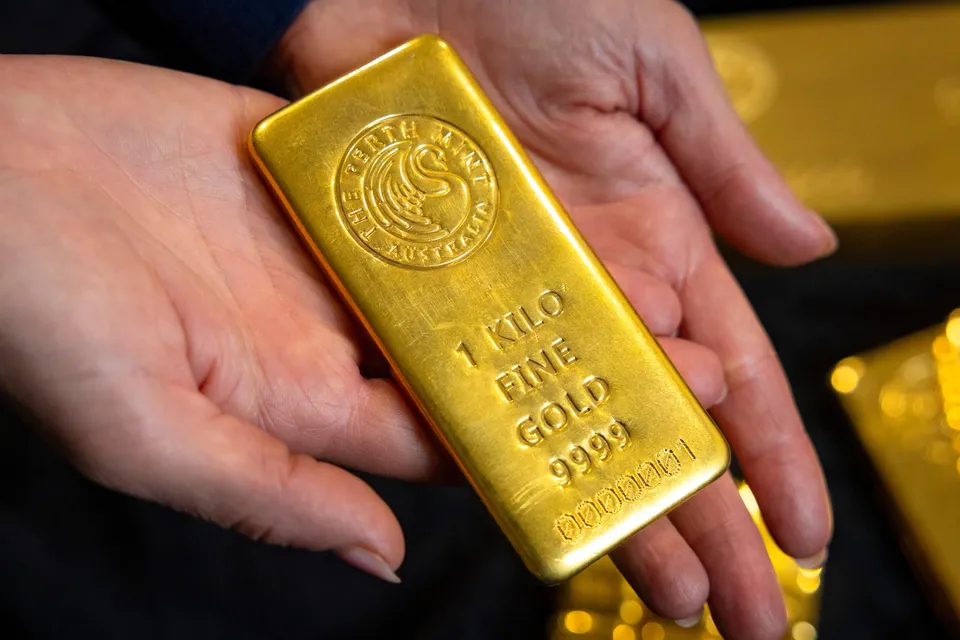
Gold is supposed to shine when the world gets shaky. This time, not so much.
As the Iran war rattles markets and sends oil prices surging, the classic “safe haven” playbook isn’t working the way investors expected. Instead of a strong rally, gold has delivered a muted – at times disappointing – performance, leaving traders scratching their heads.
That’s a sharp break from history. In past geopolitical crises, gold typically surged as investors rushed for safety. Now, even with rising tensions in the Middle East and fears of prolonged conflict, the metal hasn’t lived up to its reputation.
Part of the explanation sits in the bond market. Yields have been climbing again, and that’s a problem for gold. The metal doesn’t pay interest, so when government bonds start offering higher returns, investors have less reason to park money in bullion. Suddenly, “safe” comes with a cost.
The US dollar is adding to the pressure. In times of uncertainty, global investors often pile into the greenback – and that demand has been strong during the conflict. A stronger dollar makes gold more expensive for buyers using other currencies, which tends to cap its upside.
Then there’s inflation. Normally, rising oil prices would boost gold’s appeal as a hedge. But the current dynamic is more complicated. Markets are increasingly worried that central banks, especially the Federal Reserve, might keep interest rates higher for longer – or even tighten again – to contain inflation triggered by energy shocks. That expectation pushes real yields higher, another headwind for gold.
Some investors are also questioning whether gold still plays the same role it once did. Alternatives have multiplied. From Treasury bonds to cash and even certain commodities, there are now more ways to hedge risk – and many of them offer income or clearer short-term upside.
Meanwhile, positioning matters. Gold had already seen strong inflows and price gains in the run-up to the conflict, meaning a lot of “fear buying” may have happened early. When the war actually escalated, there simply wasn’t the same wave of fresh demand to push prices higher.
There’s also a shift in how markets react to geopolitical risk. Instead of a broad panic, investors are responding in a more targeted way – piling into energy stocks, oil futures, and defense plays rather than defaulting to gold.
None of this means gold is irrelevant. It’s still widely held as a long-term hedge and a store of value. But this moment is exposing its limits. When higher interest rates, a strong dollar and pre-positioned trades collide, even a war isn’t enough to guarantee a rally.
For now, gold isn’t failing entirely – it’s just no longer the automatic winner when crisis hits. And for investors who expected a classic flight to safety, that’s a surprise they didn’t see coming.



The latest news in your social feeds
Subscribe to our social media platforms to stay tuned