

Hormuz standoff expands as Iran threatens regional energy targets
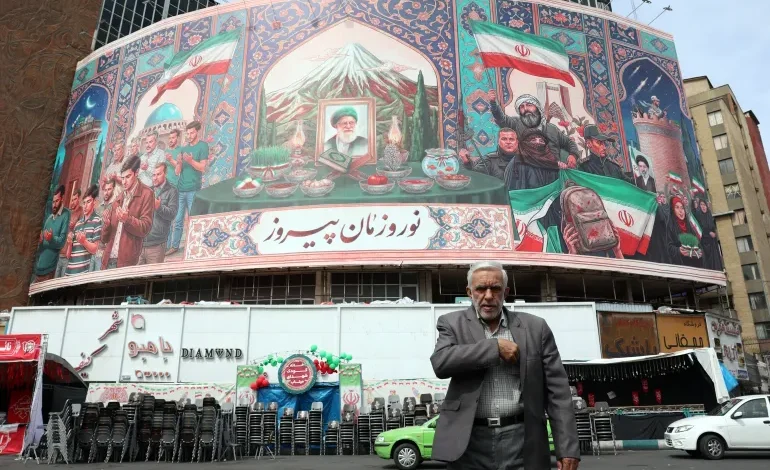

The confrontation over the Strait of Hormuz is widening into something more systemic — a dispute that now directly links military escalation to the region’s entire energy infrastructure.
Iran has warned that any strike on its power plants would trigger a broader response across the Middle East. Parliament Speaker Mohammad Bagher Ghalibaf made that explicit, saying key facilities could be “irreversibly destroyed” if Iran’s infrastructure is targeted.
“Immediately after power plants and infrastructure in our country are targeted, vital infrastructure as well as energy and oil infrastructure across the entire region will be considered legitimate targets and will be irreversibly destroyed,” Ghalibaf wrote.
The statement follows a sharp escalation from Washington. President Donald Trump has given Tehran 48 hours to reopen the Strait of Hormuz, warning that failure to comply would lead to the US “obliterate” Iran’s power plants.
At the centre of the dispute is the strait itself — a narrow passage that typically carries around one-fifth of global oil and liquefied natural gas supplies. Since the start of the US-Israel campaign on February 28, access has been heavily disrupted, though Iran disputes the idea that it has fully closed the route.
Iranian officials are framing the situation as selective restriction rather than blockade. President Masoud Pezeshkian said the waterway remains “open to all except those who violate our soil”, while Foreign Minister Abbas Araghchi pointed to the broader conflict as the source of disruption.
“Ships hesitate because insurers fear the war of choice you initiated – not Iran,” he said. “No insurer – and no Iranian – will be swayed by more threats.”
The messaging becomes more direct from Iran’s military side. The Islamic Revolutionary Guard Corps has warned it could completely shut the strait if US threats are carried out, and indicated that energy infrastructure linked to American interests — including facilities in countries hosting US bases — would be considered “lawful” targets.
That shift matters. The focus is no longer just on controlling a single chokepoint, but on expanding the range of potential targets across the region’s energy network.
Markets have already reacted to that risk. The disruption to Hormuz has contributed to what is being described as the most severe oil shock since the 1970s, driven by both reduced flows and uncertainty about how far the escalation could go.


The latest news in your social feeds
Subscribe to our social media platforms to stay tuned