

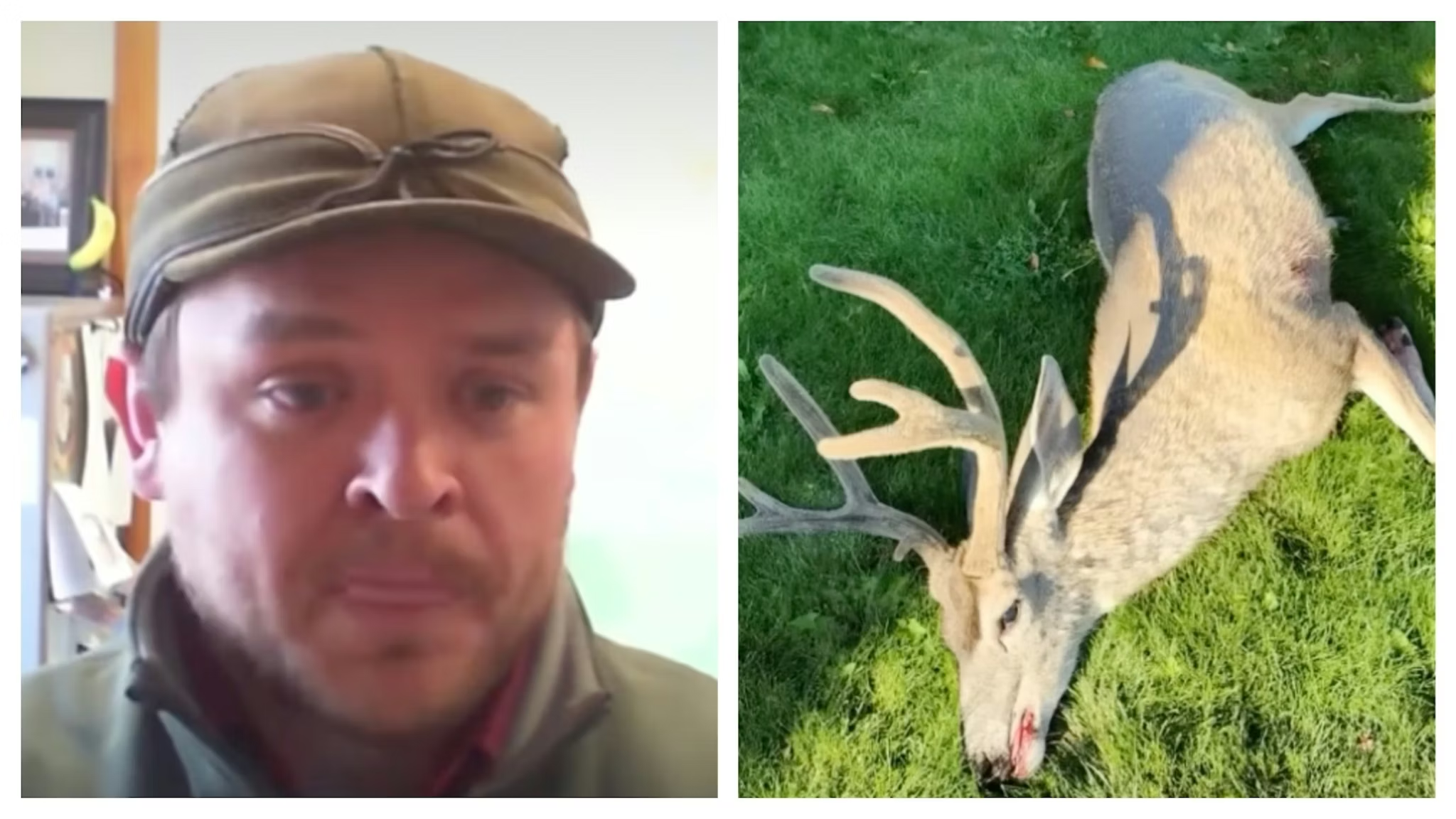
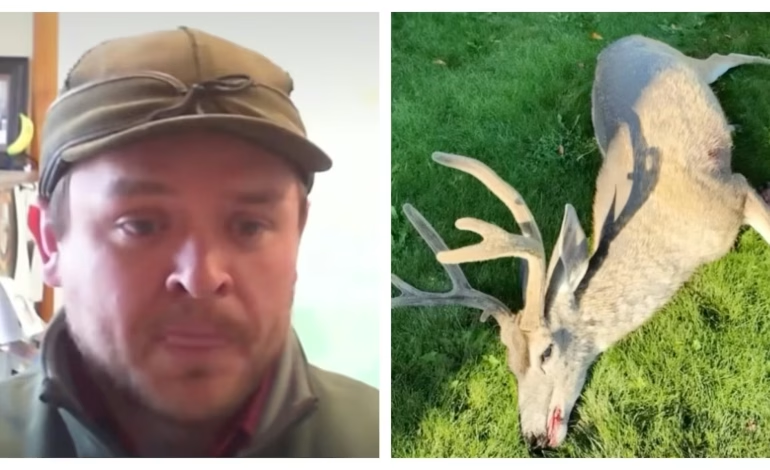

For four straight nights, Game Warden Spencer Carstens and a fellow officer sat in an unmarked vehicle at a Cody city park, windows down, staring into the blackness from dusk until 3 a.m. Nothing happened.
The poaching caper that would become known internally as the “Cody Park Case” had been building since late August 2024, when residents began finding mule deer carcasses in their front yards and floating in a pond at the Park County Complex. All nine deer were killed “right in the middle of town where deer like to hang out”—shot with a compound bow, all left to rot.
The first dead buck appeared in someone’s front yard near a city park, with a blood trail leading across the street and footprints disappearing into the grass. “The first thing I kind of thought of was maybe it was a kid,” Carstens recalled. But then more reports came in the same day: a second buck a couple of doors down, then a third in a nearby park where wardens recovered an expandable broadhead arrow—a typical hunting setup. Deer four, five and six followed. Number seven was found floating in a pond, requiring Carstens to wade out in chest waders to retrieve it.
Being in city limits gave wardens tools they rarely get. Ring doorbell cameras produced footage of activity on nights deer were killed. Security cameras captured a silver car driving slowly before parking, with a figure stepping out with a flashlight. But the footage was too grainy to identify a make or model.
With no suspect and deer still turning up dead, Carstens and his team decided to stake out the park. On the fifth night, running on fumes, they heard it—the unmistakable thwack of a compound bow firing, followed by an arrow hitting flesh. Using night vision, wardens saw a man standing over a dead deer. Carstens crept out, but the man bolted.
Wardens found the silver car parked a block away. Through the window, they saw an arrow matching one from an earlier crime scene on the front seat. The car was full of fresh groceries. “Basically went out to get groceries, on his way home decided to pull over and shoot a deer in the park,” Carstens said.
The suspect fled the state, but wardens had his vehicle and soon search warrants for the house where he’d been staying. Inside, archery equipment was scattered through multiple rooms. A second vehicle yielded more gear. Some equipment had blood—sometimes only minuscule traces.
The Wyoming Game and Fish forensics lab matched all eight deer to specific pieces of equipment through DNA analysis. Trace amounts of tissue inside a tiny metal arrow insert were enough to tie a specific deer to a specific arrow. “This is the first case that I’ve worked where we’ve actually been able to take nothing but DNA evidence and make a full case on it,” Carstens said.
A cell phone search warrant connected the suspect’s archery equipment to an older case—a beef cow shot with multiple arrows and left to die the year before.
The suspect, later identified as Joshua Tamirat Wielhouwer, eventually turned himself in. A plea deal brought guilty pleas on nine misdemeanor charges, $18,000 restitution, and one full year in county jail—an unusual outcome for a wildlife case. He also pleaded guilty to felony destruction of property for the cow. Carstens noted the suspect had never purchased a Wyoming hunting license. “He wasn’t really a traditional hunter,” Carstens said. “Maybe just wanted to take it to the next level and see what he could do with his bow.”


The latest news in your social feeds
Subscribe to our social media platforms to stay tuned