
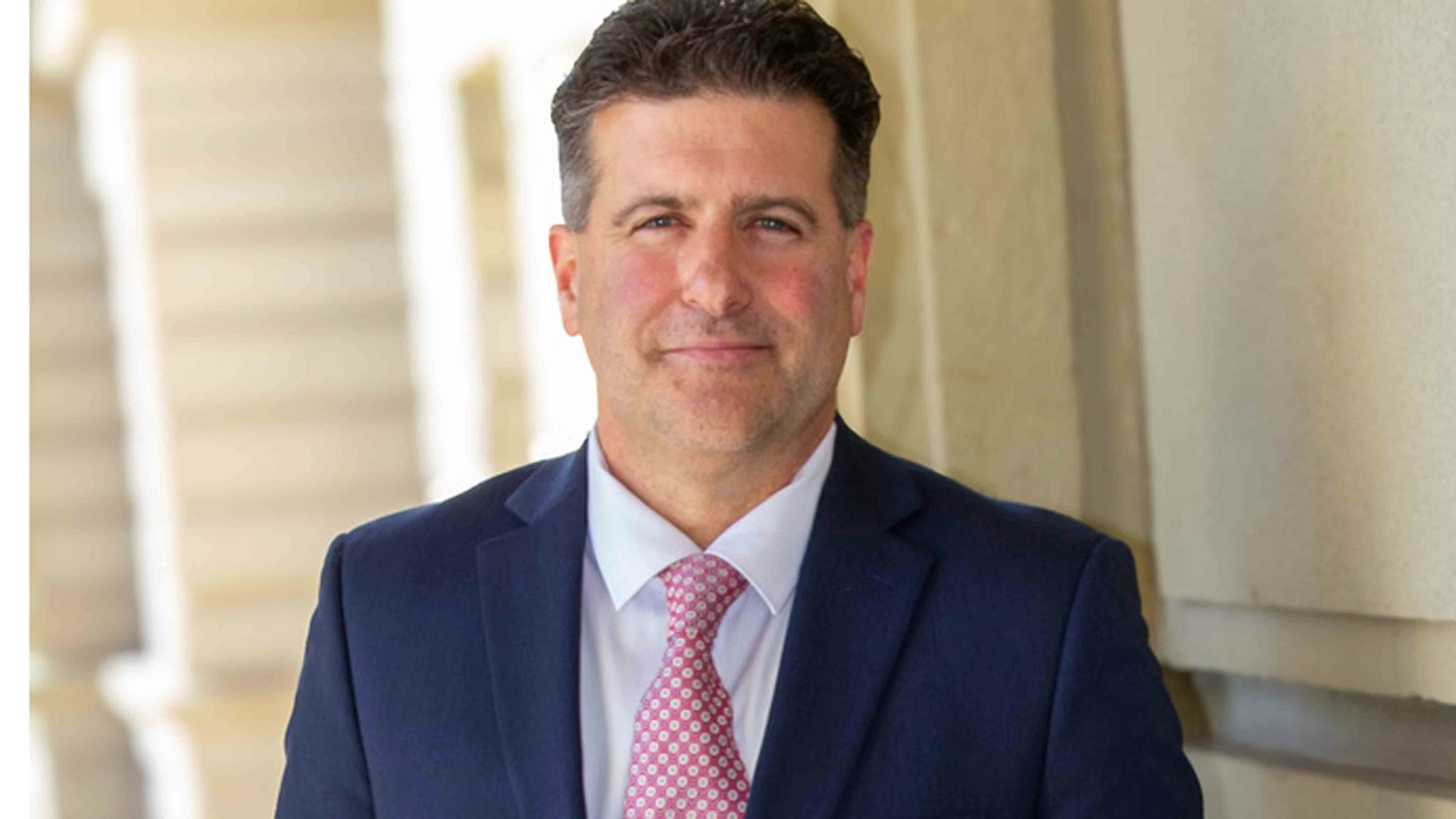
Wyoming sheriff fights to keep drug recognition experts on the road
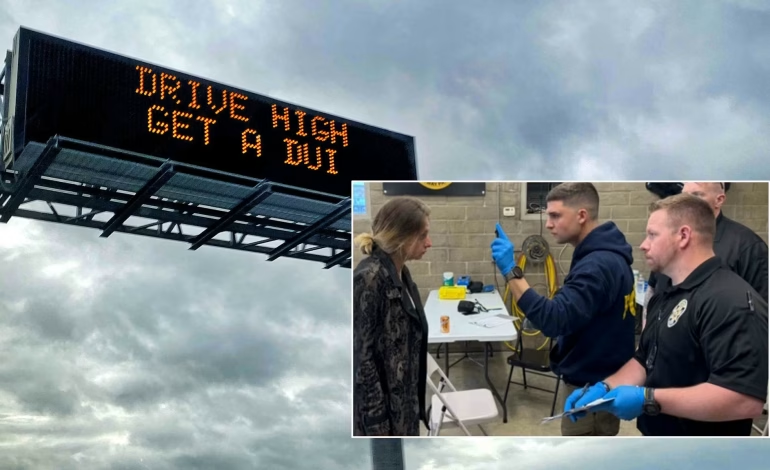

With meth and cocaine topping Wyoming’s drugged driving arrest reports for 2025, Laramie County Sheriff Brian Kozak is pushing to keep the state’s Drug Recognition Expert program alive. The program trains officers to spot drug-impaired drivers—a skill that can mean the difference between a correct arrest and a missed medical emergency.
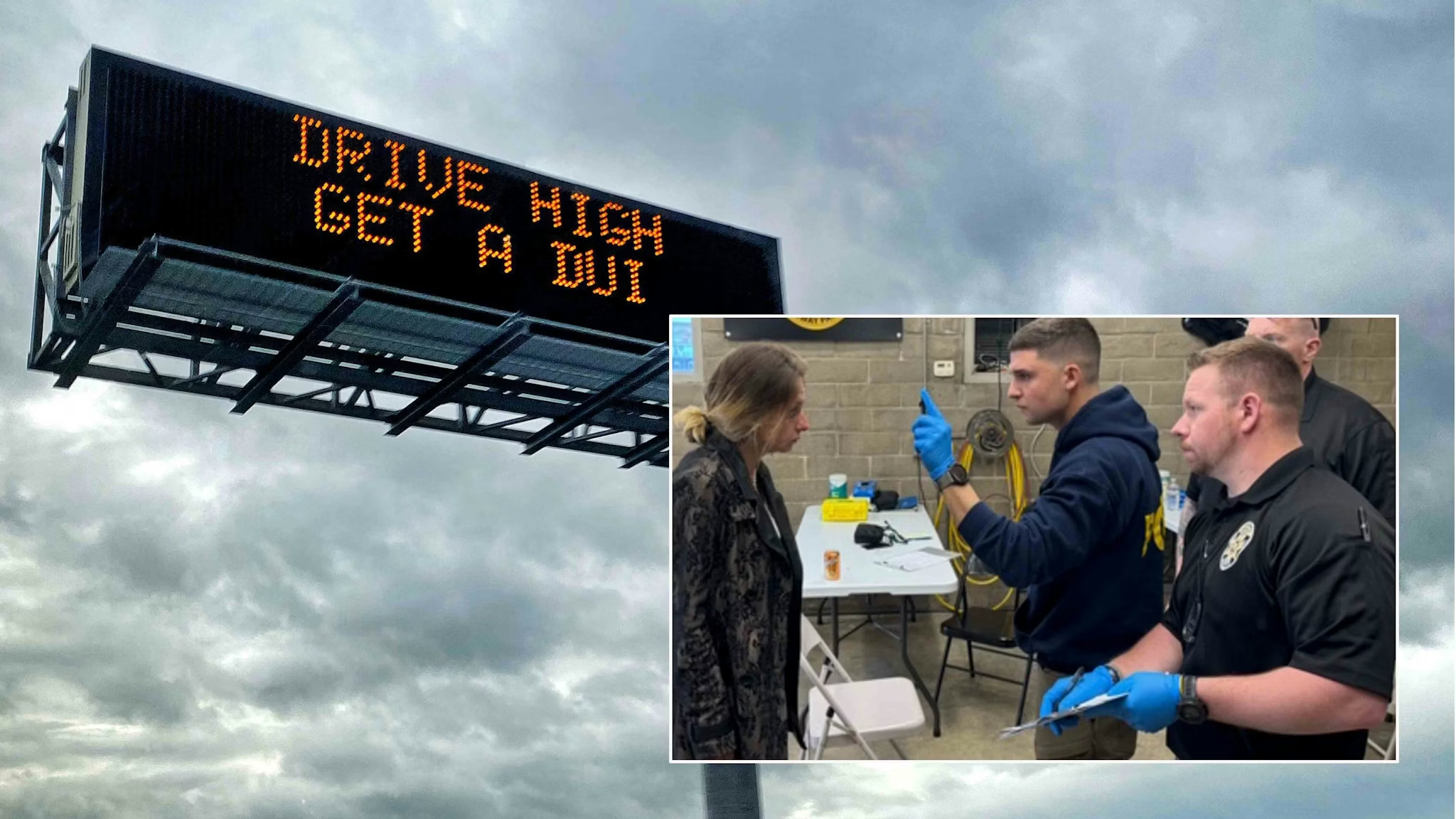
When Wyoming Highway Patrol troopers pulled over a vehicle being driven erratically and straddling two lanes, the cause wasn’t immediately obvious. The driver appeared intoxicated, with a blank stare and inability to answer basic questions, but troopers couldn’t detect alcohol. A drug recognition expert determined the impairment was due to a medical condition—a stroke, as medical personnel later confirmed.
At a recent Laramie County Commissioners meeting, Kozak requested authorization to apply for a Wyoming Department of Transportation grant of up to $400,000 for fiscal year 2027 to continue the state’s DRE training program and certify more experts. The program operates in every state and is crucial to keeping drug-induced drivers off the roads, Kozak said.
According to the state’s 2024-2026 Triennial Highway Safety Plan, more than 18% of DUI arrests are drug-related, and more than 22% of traffic crashes resulting in arrests have involved drugs. In 2025, the top drug categories in drugged driving arrest reports were meth and cocaine (141), with marijuana close behind (135). Fentanyl, heroin and prescription pain pills accounted for 77 arrests.
Training to recognize drug impairment is extensive. Lt. Evan Storch, who runs the state’s DRE training program, said trainees must evaluate at least 12 people under the influence of drugs and correctly identify the drug category causing impairment. They must complete at least 110 hours of initial training and attend additional training every two years to remain certified.
“It’s not designed for every law enforcement officer,” Storch said. “You have to find the right people who want to do it.”
The program nearly disappeared in 2018 when the Wyoming Highway Patrol considered discontinuing it after losing its coordinator. Kozak, a DRE himself with a 30-year track record, offered to take over the program. His efforts earned him the International Drug Recognition Expert of the Year award in 2024—the only DRE in Wyoming to receive the honor. “The reason I think I was recognized was because I saved the program in Wyoming,” he said.
Wyoming currently has 47 certified drug recognition experts. In 2025, they completed 302 evaluations—more than three times the number completed the prior year—with particularly heavy activity along the I-80 corridor. The grant funding Kozak requested would pay for Storch’s salary, travel expenses, equipment, training resources and overtime for DREs.


The latest news in your social feeds
Subscribe to our social media platforms to stay tuned