

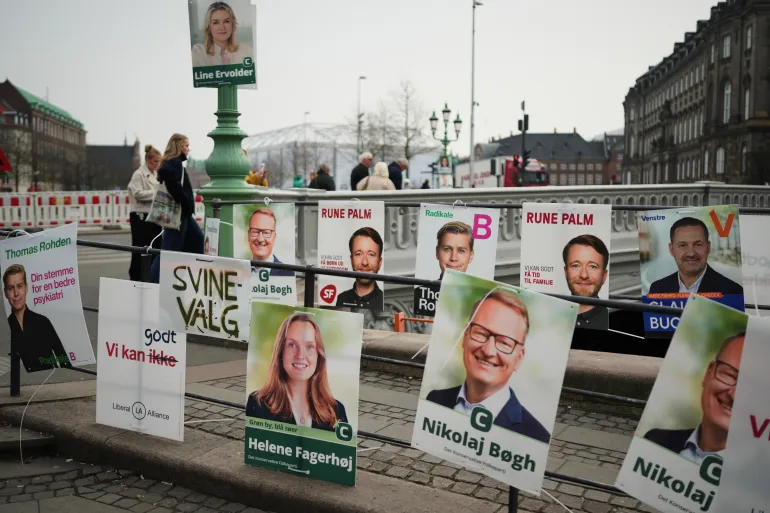




Polling stations have opened across Denmark in a parliamentary election that doubles as a test of Prime Minister Mette Frederiksen’s political resilience after months of external pressure and internal strain.
Around 4.3 million voters are eligible to cast their ballots, with voting running from 8am to 8pm local time and initial results expected later in the evening.
Frederiksen is seeking a third term, entering the race with a mix of regained momentum and underlying vulnerability. Her firm rejection of US President Donald Trump’s push to take control of Greenland — a semi-autonomous Danish territory — helped lift her approval ratings after a period of decline. That shift in public sentiment set the stage for her decision to call a snap election last month.
But the recovery is not without limits. Polling suggests her centre-left Social Democrats are likely to remain the largest party in the 179-seat parliament, yet still face the possibility of their weakest result in more than a century.
Her main challenger is Defence Minister Troels Lund Poulsen, representing the centre-right Venstre party, who has positioned himself as a credible alternative amid growing dissatisfaction over domestic policy.
Despite the geopolitical backdrop, the campaign itself has remained largely focused on internal issues. Voters are weighing concerns over rising food and fuel prices, the direction of agriculture, access to clean drinking water, and welfare standards in farming — particularly in pig production, a sensitive sector in Denmark.
At the same time, right-wing populist parties are attempting to capitalise on broader unease, pushing for stricter immigration policies.


The latest news in your social feeds
Subscribe to our social media platforms to stay tuned