


Iraq summons US and Iran envoys after deadly strikes on its territory

Iraq is pushing back diplomatically as its territory becomes increasingly entangled in the war between the United States, Israel and Iran.
The government has announced it will summon both the US charge d’affaires and the Iranian ambassador in Baghdad to formally protest a series of recent attacks. According to Prime Minister Mohammed Shia al-Sudani’s office, the Foreign Ministry will deliver official complaints to both sides over strikes that have hit Iraqi soil.
The move follows a meeting of Iraq’s National Security Council and reflects a growing effort to assert sovereignty as violence spreads across the region.
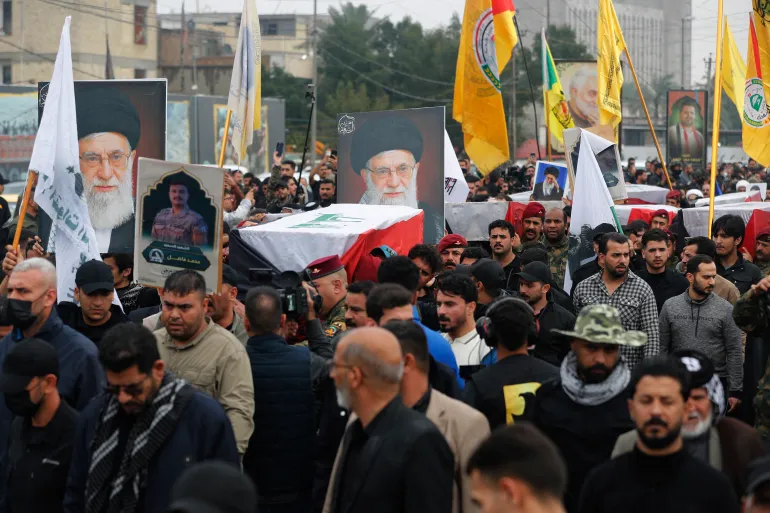
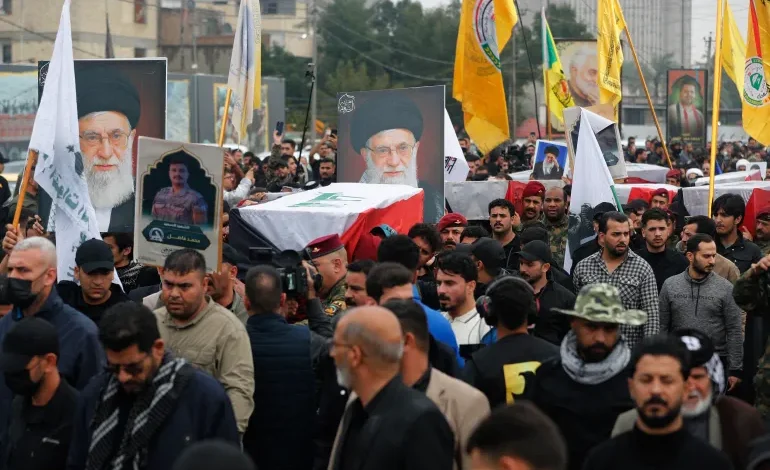
Among the incidents cited is a deadly strike on the headquarters of the Popular Mobilisation Forces (PMF) in Anbar province, which killed at least 15 people, including a regional commander. Another attack targeted Kurdish forces in Erbil, with local authorities accusing Iran of launching ballistic missiles that left six dead and dozens injured.
Baghdad is also taking the issue to the international level. The Foreign Ministry plans to file a formal complaint with the United Nations Security Council, describing the attacks as “acts of aggression and their consequences”.
The dual protest — directed at both Washington and Tehran — underlines Iraq’s position in the conflict. It is not a primary combatant, but it is increasingly being used as operational space by multiple actors.
That tension is visible in how the attacks are distributed. US strikes have targeted Iran-aligned groups such as the PMF, which, while integrated into Iraq’s armed forces, include factions with close ties to Tehran. At the same time, Iranian actions have hit Kurdish forces, a key component of Iraq’s national defence structure.
“We strongly condemn this attack, as well as all terrorist acts against the Kurdistan Region. At the same time, we reaffirm our inherent right to respond to any aggression against our people and our land,” the Ministry of Peshmerga Affairs said.
Iraq’s presidency echoed that concern, describing Kurdish forces as a “fundamental pillar of the national defence system”.
The broader pattern is becoming harder to ignore. Since the start of the US-Israel campaign against Iran on February 28, Iraq has increasingly found itself caught between competing military operations, with both sides acting inside or around its territory.


The latest news in your social feeds
Subscribe to our social media platforms to stay tuned