

With input from Deadline, Bloomberg, the New York Times, Variety, Wired, and Business Insider.
Silicon Valley has long lived by the mantra coined by Mark Zuckerberg: move fast and break things. OpenAI just did exactly that – and Hollywood is left dealing with the fallout.
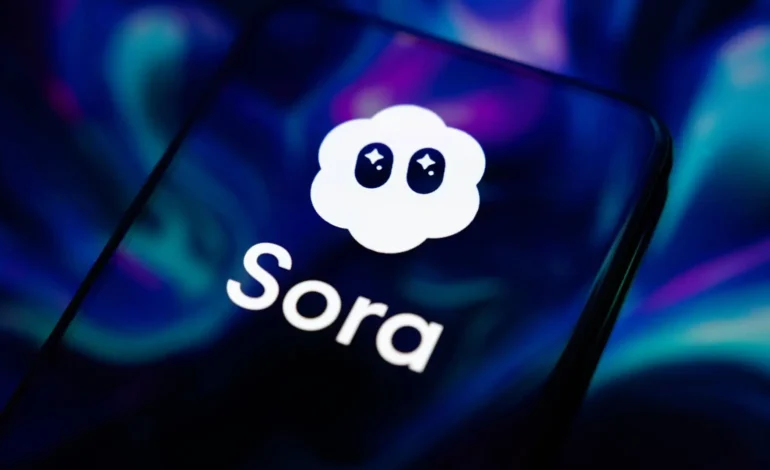
First came the hype. Sora exploded online, going viral almost overnight. It stunned users with what it could create. It also raised alarms, blowing past copyright concerns and sparking fears across the entertainment industry. Now, just months later, it’s effectively gone. OpenAI has backed away from generative video, and Sora’s momentum has collapsed just as quickly as it arrived.
Caught in the middle is The Walt Disney Company. What was supposed to be a landmark $1 billion partnership between Disney and OpenAI is now dead. Quietly, bluntly, over. Internally, the message was simple: the deal isn’t moving forward.
That leaves a mess behind. The agreement had been pitched as a way to ease tensions over AI models training on copyrighted material. In exchange for access to Disney’s vast catalog – think franchises like Frozen and Beauty and the Beast – OpenAI would work alongside the studio rather than around it. A truce of sorts.
Now that truce is gone.
There are practical headaches to sort out. What happens to the money Disney committed? Does it unwind projects tied to OpenAI tools? The company had plans to integrate AI into everything from internal workflows to consumer-facing products, even rolling out ChatGPT for employees. Some of that may now be in limbo.
But the bigger hit is symbolic.
Disney’s move toward OpenAI was never just about technology. It was an admission that the old playbook wasn’t enough. If AI firms were going to scrape and train on its intellectual property anyway, Disney figured it might as well sit at the table – and get paid while doing it.
At the same time, the company drew a hard line elsewhere, pushing back against Google with legal threats over how its AI tools handled Disney-owned content. One partner, one adversary. That balance now looks shaky.
With Sora shelved, that strategy suddenly feels exposed. OpenAI wasn’t just another vendor – it was a bet. A big one. And now it’s gone sideways.
Inside Hollywood, the ripple effects are hard to ignore. The Disney deal had started to look like a template – a way for studios and tech firms to coexist without constant legal warfare. It even had cautious support from industry advocacy groups and high-profile creatives like Scarlett Johansson, Cate Blanchett and Joseph Gordon-Levitt, who have pushed for more control over how AI uses creative work.
That momentum just took a hit.
The deeper issue is trust. Hollywood is being asked to collaborate with companies that can pivot overnight – or pull the plug entirely. OpenAI’s retreat from Sora shows how quickly priorities can shift when the technology, costs, or strategy change.
Disney says it will keep exploring AI partnerships. Fair enough. But after this, it’s hard to imagine the company rushing into another billion-dollar handshake anytime soon.
For the rest of the industry, the message is blunt. Big Tech may hold the keys to the future of content creation – but it also controls the door, and it can slam shut without warning.

The latest news in your social feeds
Subscribe to our social media platforms to stay tuned