





CNBC, the Wall Street Journal, NBC News, Market Watch, Bloomberg, and Investor’s Business Daily contributed to this report.
Wall Street caught a break Wednesday – at least for a moment.
Stocks pushed higher and oil prices slid after reports that the US had quietly sent Iran a 15-point peace proposal, raising hopes that the monthlong conflict might finally be heading toward an off-ramp. The reaction was immediate. Futures for the S&P 500 and Nasdaq 100 jumped more than 1% overnight.
By late morning, the gains were holding. The Dow Jones Industrial Average was up roughly 270 points, while the S&P 500 climbed about 0.6% and the Nasdaq Composite added close to 0.8%. Smaller stocks joined in, with the Russell 2000 rising around 0.7%.
Oil, meanwhile, moved the other way. US crude dropped more than 3% to around $89 a barrel, while Brent crude slid toward $101. That’s a notable pullback after a brutal run – prices have surged more than 30% since the war began and roughly 50% since the start of the year.
But calm didn’t last long.
Mid-morning headlines out of Tehran threw cold water on the optimism. Iranian media, citing an unnamed source, reported that Iran wouldn’t accept a ceasefire or direct talks with Washington. Markets flinched. Futures slipped from their highs, and oil briefly bounced off its lows.
That push and pull has become the norm.
“Just one headline can move everything,” analysts said, and the past few weeks have proved the point.
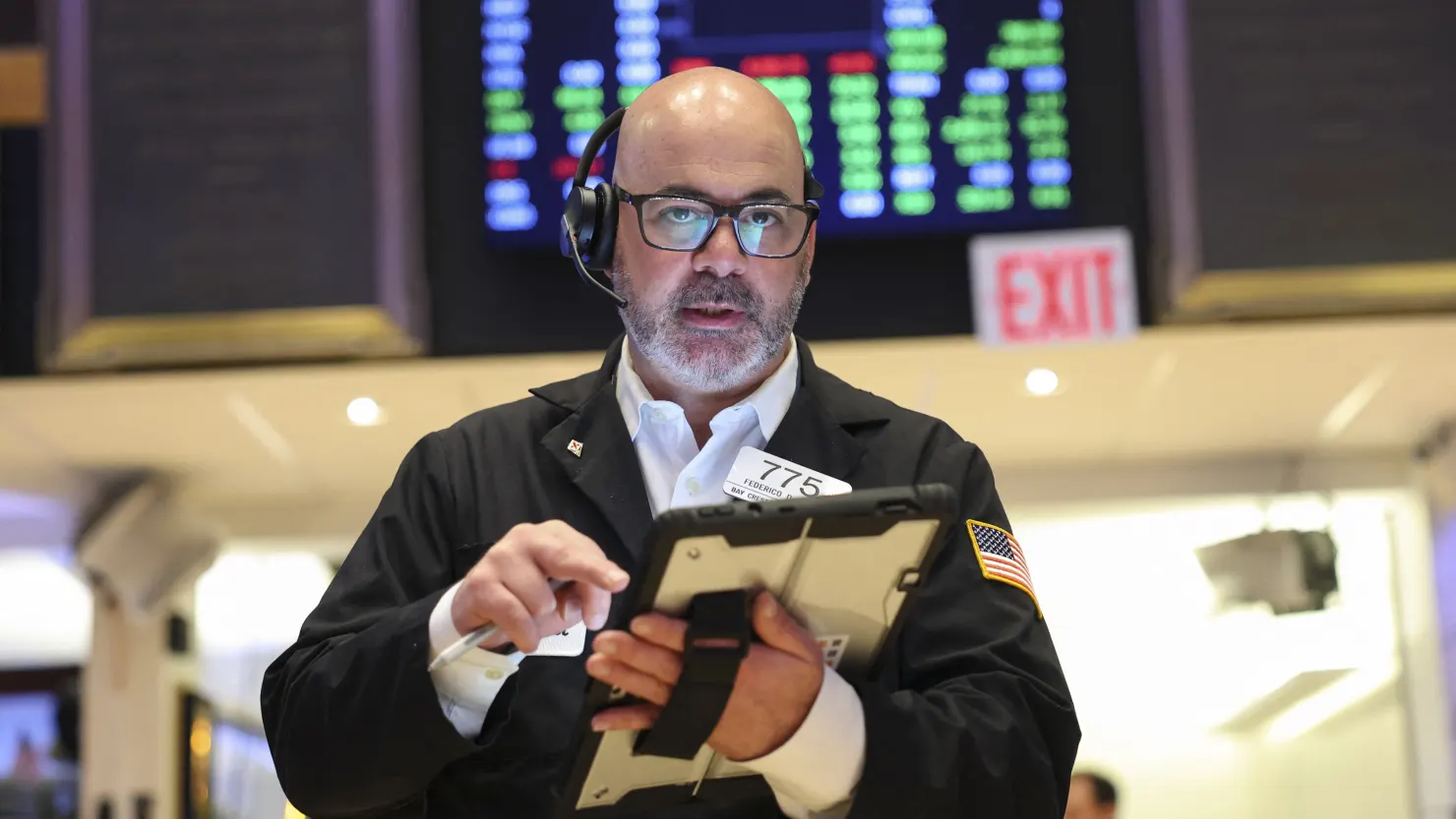
Traders are chasing every hint of progress – or setback – in real time.
There are signs of diplomacy behind the scenes. Officials say Pakistan has been quietly passing messages between the US and Iran, and there’s talk of a possible face-to-face meeting in the coming days. Still, nothing is settled.
Donald Trump hasn’t made things any clearer. In the span of days, he’s suggested the war could end soon, declared victory outright, and delayed travel plans to keep an eye on the conflict. At the same time, the US is sending more troops into the region.
Markets are trying to make sense of it – and mostly failing.
Oil remains the key pressure point. The Strait of Hormuz, which normally carries about a fifth of the world’s oil supply, is barely functioning. Traffic has slowed to a trickle, with some ships hugging Iran’s coastline under naval guidance while hundreds more sit idle.
That bottleneck has kept a geopolitical risk premium baked into prices, even on days like this when optimism briefly takes over.
Investors want to believe a deal is coming. You can see it in the way stocks jump on any positive headline. But the underlying tension hasn’t gone anywhere, and neither has the volatility.
Seventeen trading sessions into the war, the pattern is clear: sharp swings, quick reversals, and a market that changes direction with every new update.


The latest news in your social feeds
Subscribe to our social media platforms to stay tuned