


CNBC, Reuters, Bloomberg, the Daily Beast, and Forbes contributed to this report.
The mood on Wall Street is shifting. Not a full-blown panic, but the unease is creeping in – and fast.
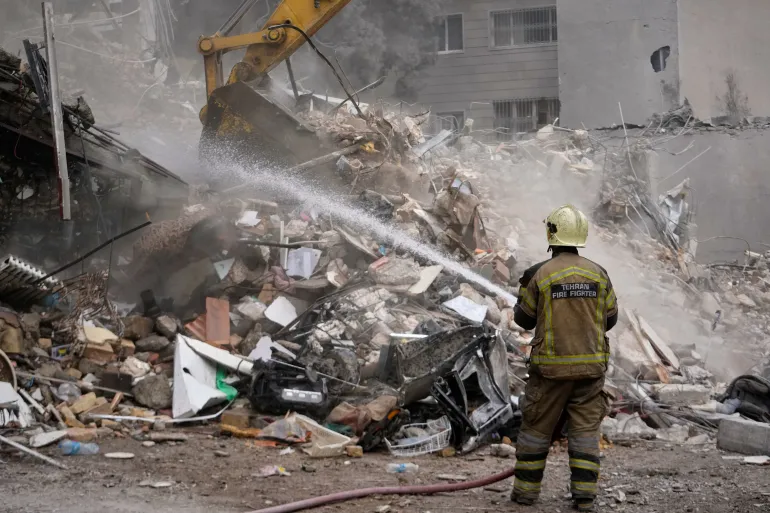
Economists are quietly dialing up their recession calls as cracks in the US economy become harder to brush off. The backdrop isn’t helping: a drawn-out war with Iran, oil prices surging, and a job market that’s been running on fumes outside a few bright spots.
“I’m concerned recession risks are uncomfortably high and on the rise,” said Mark Zandi of Moody’s Analytics. “Recession is a real threat here.”
That’s not a fringe view anymore. Moody’s now sees nearly a 50% chance of a downturn within a year. Wilmington Trust isn’t far behind at 45%. EY-Parthenon sits at 40%. Even Goldman Sachs, usually more measured, has pushed its odds up to 30%. In calmer times, that number hovers closer to 20%.
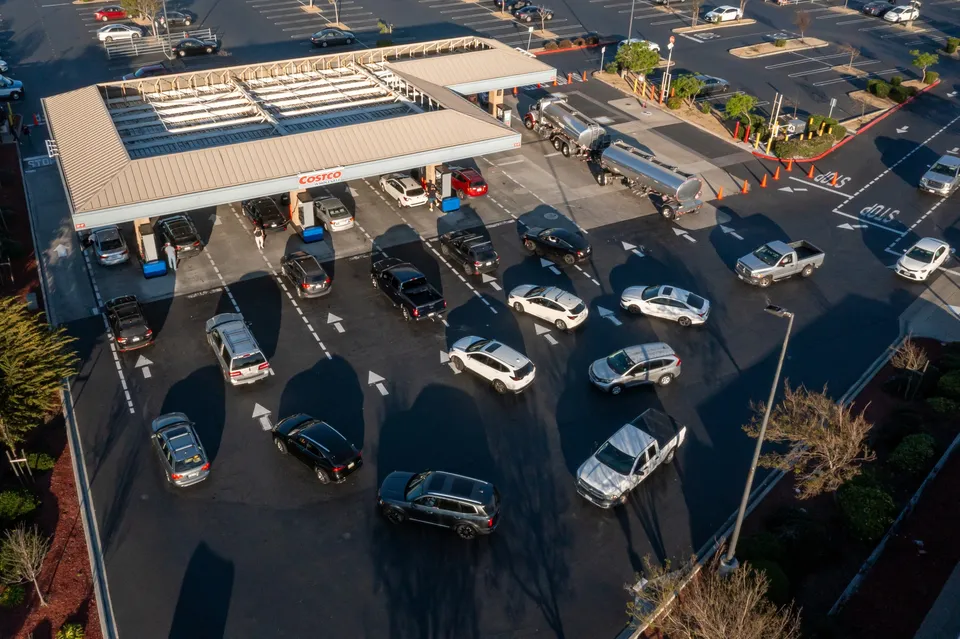
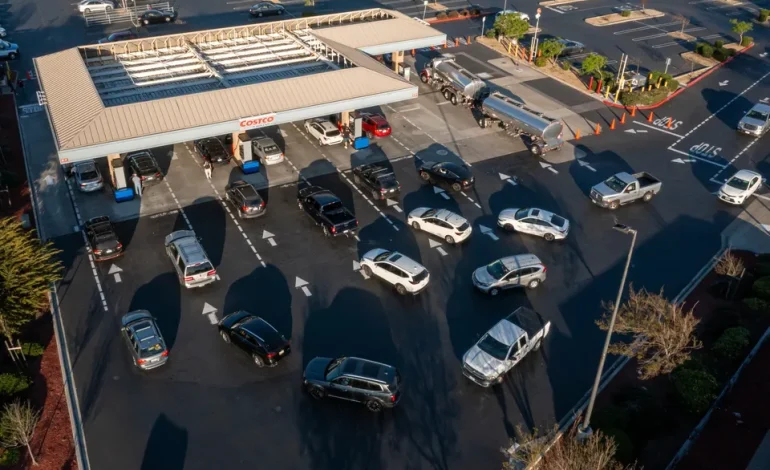
The war is a big part of the story. Oil shocks have a long track record of tipping economies over, and this one is no exception. Prices at the pump have jumped sharply in just a few weeks, and crude has been climbing since the conflict began. If those levels stick, economists say the damage won’t take long to show up.
Higher energy costs hit quickly – transport, production, food. It all feeds through. Zandi warned that if oil stays elevated through late spring, the economy could buckle.
There’s still a narrow path out. A diplomatic breakthrough, a reopening of the Strait of Hormuz, a cooling in prices. That’s the baseline many forecasters are clinging to. But the margin for error is shrinking.
Underneath the geopolitical noise, the labor market isn’t offering much reassurance. Job growth has been weak for months. Strip out healthcare hiring and the picture looks worse – hundreds of thousands of jobs lost across other sectors over the past year.
Unemployment hasn’t spiked, but that’s partly because companies aren’t hiring, not because they’re expanding. It’s a standstill more than a recovery.
That matters because consumers are still carrying the economy. They drive more than two-thirds of US growth. But confidence is shaky, especially among lower-income households already squeezed by rising prices. Surveys show a growing share of Americans now expect a recession within the next year.
There’s also a subtle shift happening in how spending is being supported. A chunk of recent consumption has been tied to rising asset prices – stocks, mainly. If markets wobble, that cushion disappears. And lately, markets haven’t been offering much comfort.
Stocks have struggled since the war began, dragging on sentiment. The so-called “wealth effect” that kept spending afloat may not hold if volatility sticks around.
Some are starting to whisper about stagflation again – slow growth paired with stubborn inflation. Federal Reserve Chair Jerome Powell isn’t buying that comparison, at least not yet. He’s pointed out that today’s conditions look nothing like the 1970s, when inflation and unemployment both ran wild.
Still, the mix of weak growth and persistent price pressure is putting policymakers in a bind. Cut rates too soon, and inflation could flare up again. Hold steady, and the labor market could weaken further.
For now, the data isn’t screaming recession. GDP growth for the first quarter is tracking around 2%, not spectacular, but not a collapse either. There are still supports in the system – government spending, tax relief, steady production.
But the tone has changed. The confidence that carried the economy through the past year is fading, replaced by something more cautious.
The outlook hasn’t flipped entirely. Yet. But the sense that the US economy is walking a tighter rope is getting harder to shake.


The latest news in your social feeds
Subscribe to our social media platforms to stay tuned