

Oil climbs as Iran denies talks, markets react to prolonged conflict

Oil prices are moving higher again, reflecting a growing sense that the war with Iran is not heading toward a near-term diplomatic off-ramp.
Brent crude rose nearly 2 percent on Thursday, pushing past $104 per barrel, after Tehran rejected reports that it was engaged in direct negotiations with the United States. The move reverses a brief dip earlier in the week, when markets had reacted to reports of a possible US proposal to end the conflict.
Iranian Foreign Minister Abbas Araghchi reinforced that shift in tone, saying Tehran is not in talks with Washington and has “no intention of negotiating for now”.
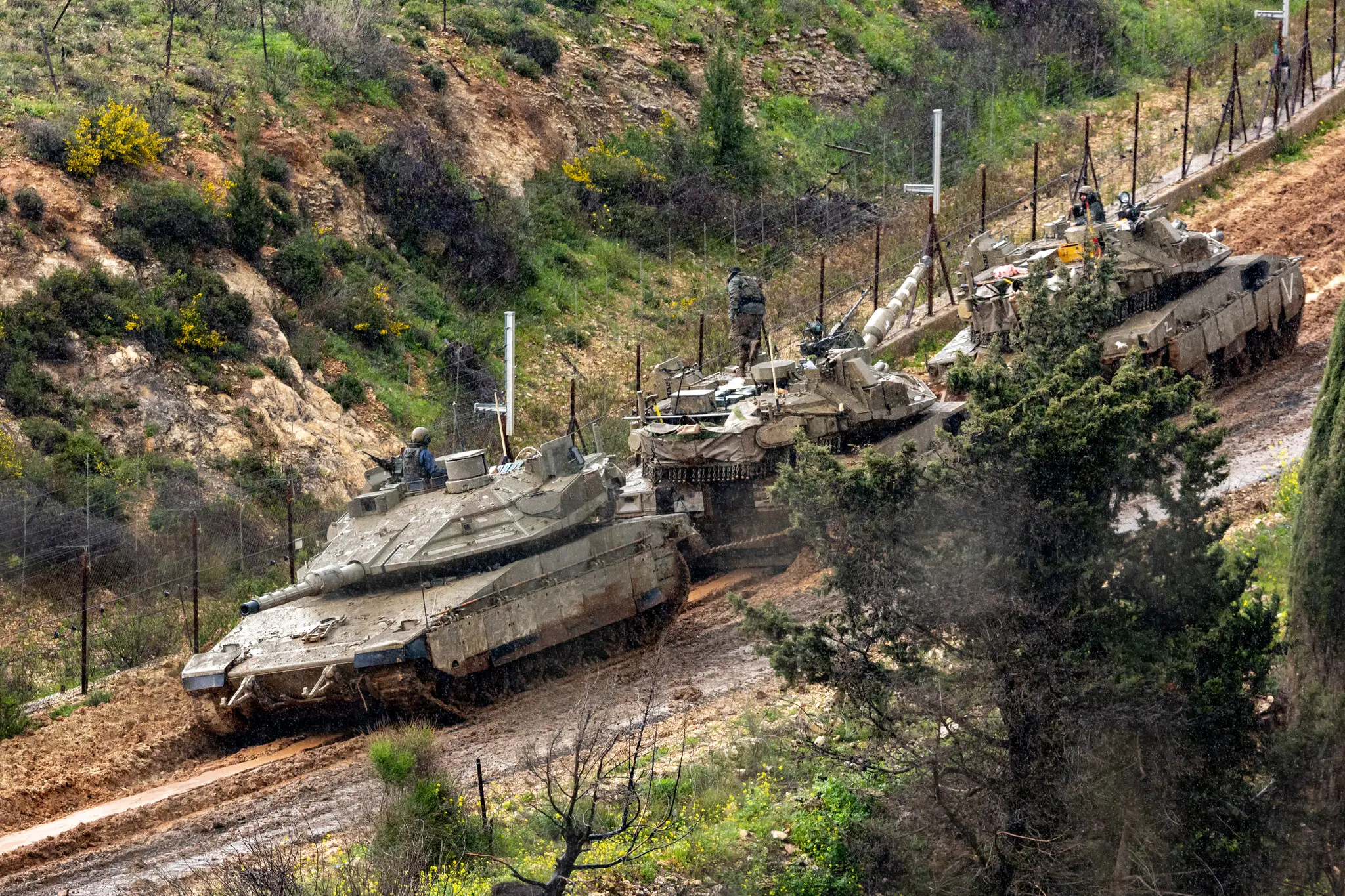
At the same time, rhetoric from Washington remains hardline. White House Press Secretary Karoline Leavitt warned that Iran would be “hit harder” than ever if it does not accept military defeat.
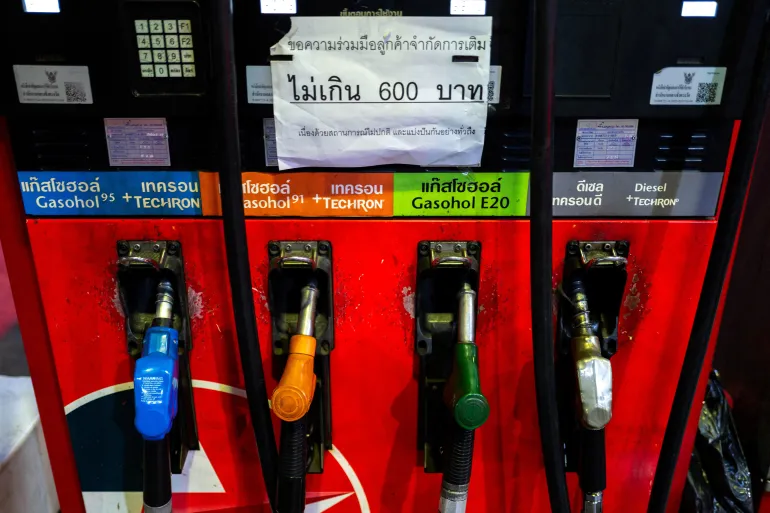
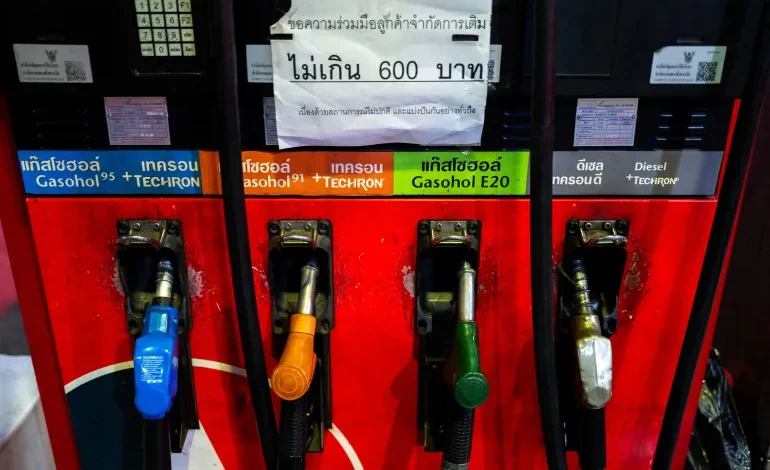
The market response has been immediate. Oil is now more than 40 percent higher than before the US and Israel launched strikes on Iran on February 28, with energy prices climbing globally and governments beginning to introduce fuel rationing and conservation measures.
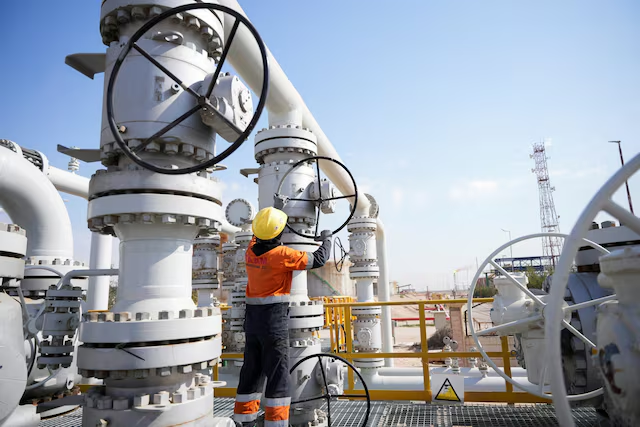
The core pressure point remains the Strait of Hormuz — a narrow but critical shipping route that handles roughly one-fifth of global oil supply. While Iran maintains that the strait is open to neutral vessels, traffic has effectively collapsed.
Data from maritime intelligence firm Windward shows just four ships transited the waterway on Tuesday, compared with an average of about 120 per day before the conflict. That drop is less a formal blockade than a functional shutdown, driven by risk, insurance constraints and security concerns.
Markets are pricing that disruption accordingly. Even with coordinated efforts by countries to release emergency reserves, analysts say prices are likely to remain elevated as long as shipping through the strait is constrained.
The impact is spreading beyond energy. Asian stock markets opened lower on Thursday, with Japan’s Nikkei 225, South Korea’s KOSPI and Hong Kong’s Hang Seng Index all declining, reflecting broader concerns about supply chains and economic stability.



The latest news in your social feeds
Subscribe to our social media platforms to stay tuned