

Wall Street Hasn’t Hit Peak War Panic Yet

Reuters and Business Insider contributed to this report.
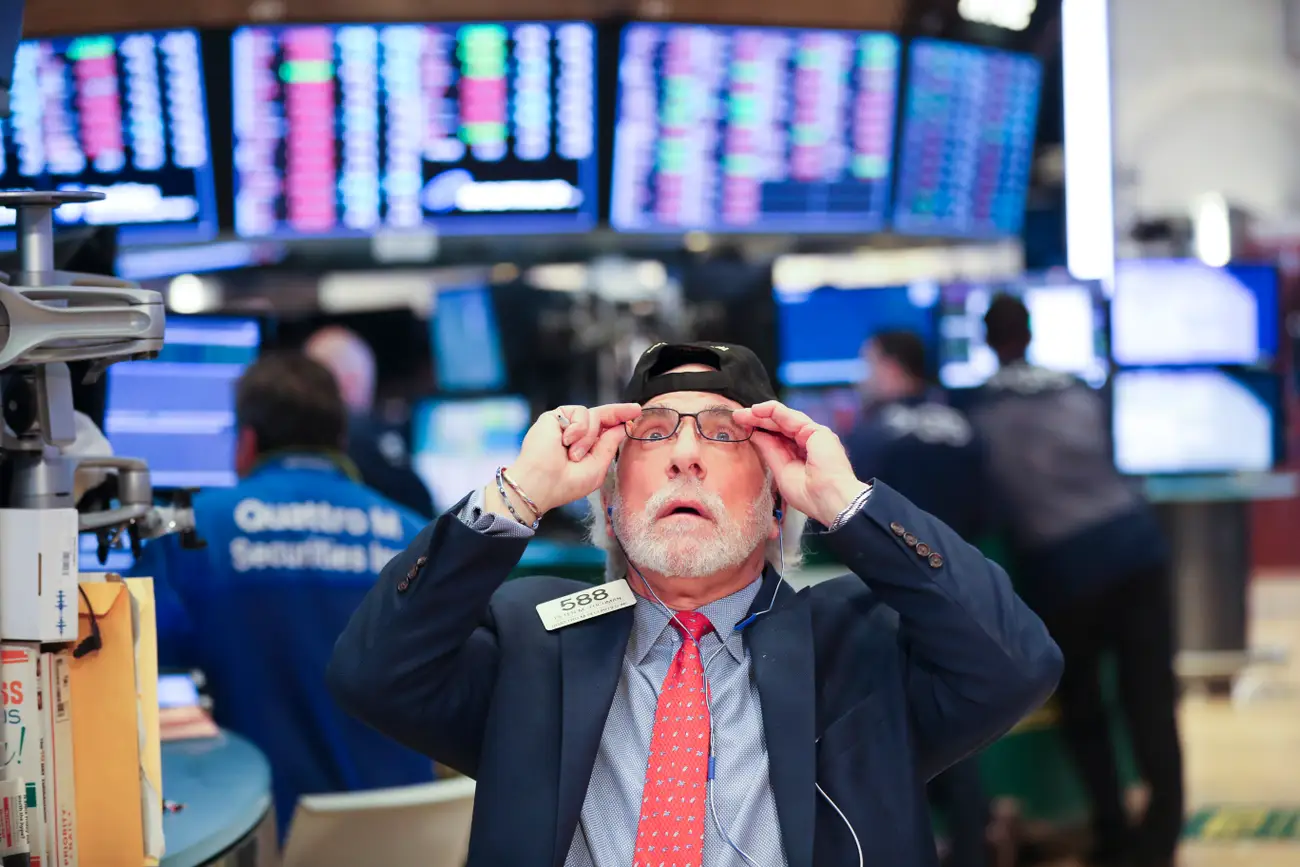
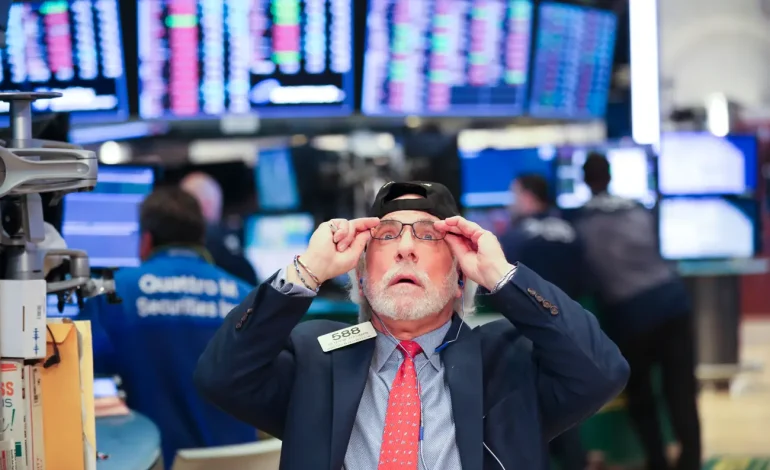
Markets have been swinging hard since the Iran war erupted. According to Alpine Macro, the real stress test may still be ahead.
The firm’s chief geopolitical strategist, Dan Alamariu, says investors haven’t yet seen “peak panic.” In his view, the next couple of weeks could get messier before things calm down. Diplomatic signals from both Washington and Tehran? He’s not convinced they mean much right now.
“Peace isn’t around the corner,” he argues.
Expect escalation first, then de-escalation later. That timing matters – because markets tend to overshoot when fear peaks.
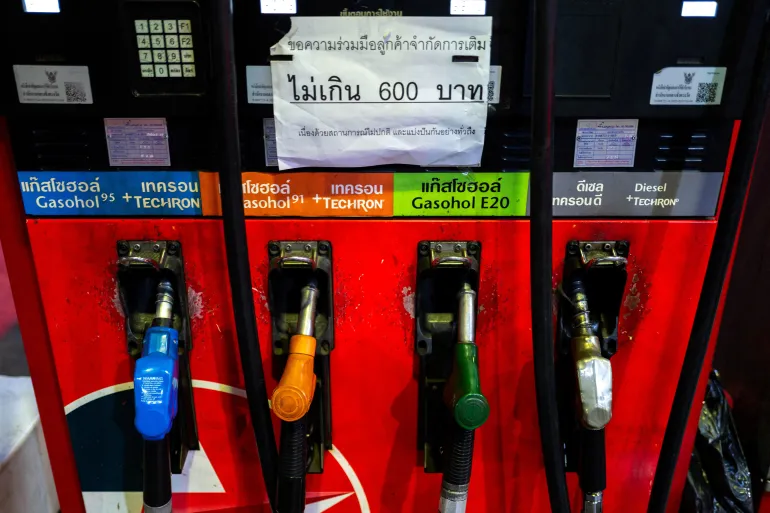
Oil is already telling part of that story. Prices have been bouncing around as the Strait of Hormuz, a critical artery for global energy supply, remains largely choked off. Alamariu thinks crude hasn’t topped out yet. If tensions climb, energy could spike further before rolling over.
His playbook is fairly blunt. Stay long on energy while the panic builds. Ride the wave, then trim positions once things look stretched.
Stocks are a different story. The S&P 500 has held up better than many expected, but he sees more attractive opportunities elsewhere. Markets in Asia, Europe, and the Gulf have taken heavier hits – and could snap back harder once the dust settles.
That’s where he sees value. Buy the dip, but not too early. Timing matters when fear is still building.
There’s also a case for bonds, though not for the usual reasons. US Treasurys aren’t acting as a clean geopolitical hedge this time. Still, if high oil prices start choking growth, they could shine again.
Alamariu points to the 10-year Treasury yield as a key signal. If it pushes past 4.5%, longer-duration bonds start to look more appealing. Historically, once oil shocks fade, yields tend to fall – and bond prices rise.
The bigger risk hanging over everything is economic. Prolonged high energy costs don’t just hit portfolios; they squeeze growth and raise the odds of a downturn.
For now, the message is simple: this isn’t the end of the volatility. It might just be the buildup.



The latest news in your social feeds
Subscribe to our social media platforms to stay tuned