


CNN, USA Today, Bloomberg, CBS News, and the Wall Street Journal contributed to this report.
Americans aren’t feeling great about the economy right now – and that unease is spreading all the way up the income ladder.
New data from the University of Michigan shows consumer sentiment dropped 6% this month, landing at 53.3. That’s worse than economists expected and the lowest reading since December. A few weeks ago, when the conflict with Iran was just beginning, the mood was already slipping. Now it’s clearly taken a sharper turn.
What’s changed? Energy prices and market swings are hitting at the same time.
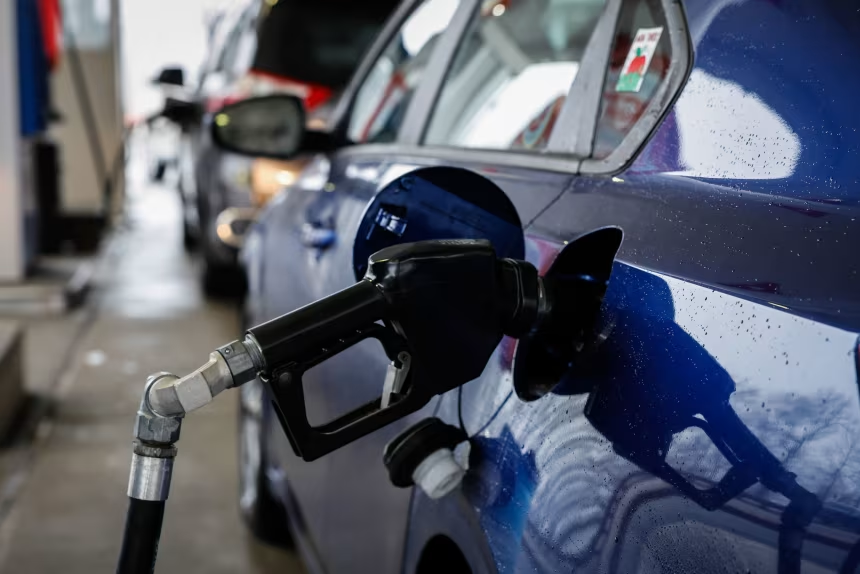
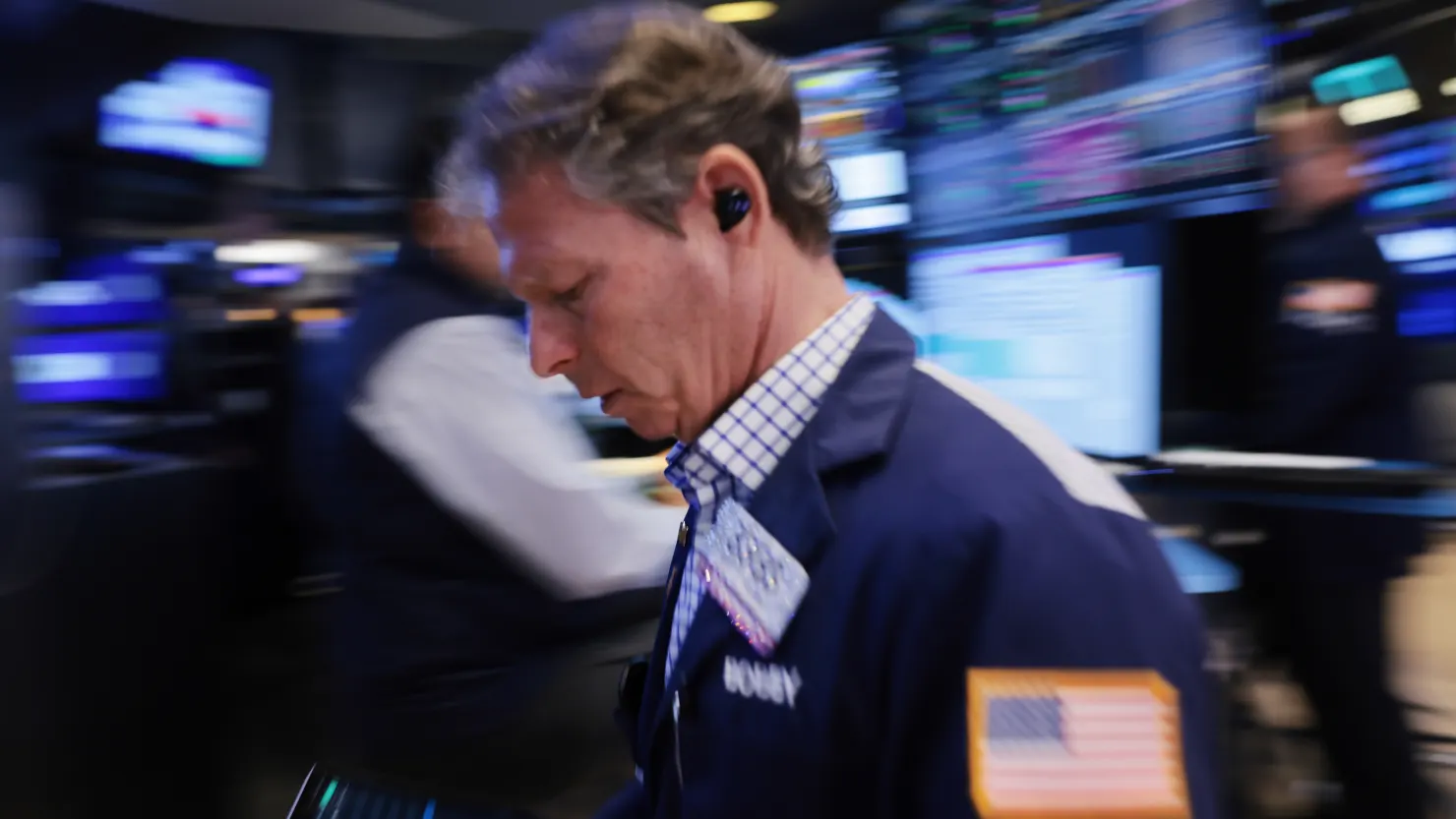
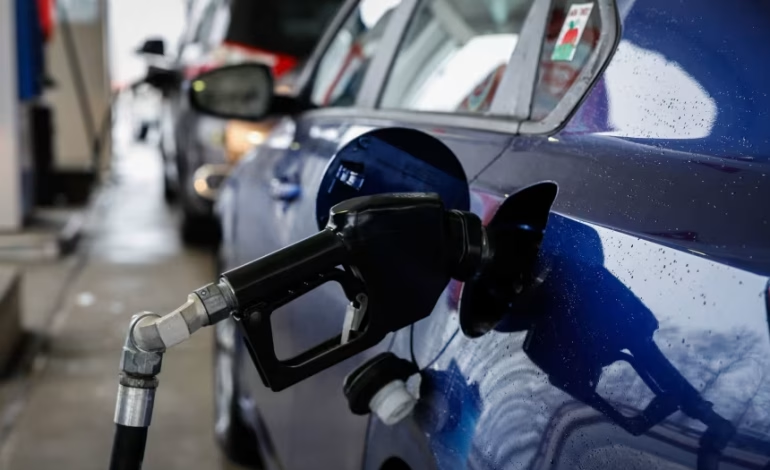
Gas prices have jumped since the war began, squeezing household budgets almost immediately. At the same time, stocks have been bouncing around as investors try to figure out how long the conflict might last. That combination is rattling people who typically feel insulated – especially higher-income households with money tied up in the market.
Survey director Joanne Hsu pointed out that the drop in confidence isn’t limited to one group. It cuts across age, income, and political lines. Still, wealthier Americans – those more exposed to stocks and rising fuel costs – are showing some of the biggest declines in sentiment.
There’s also growing anxiety about inflation. Expectations for price increases over the next year jumped to 3.8%, the biggest monthly rise in about a year. That’s a notable shift, especially after months of cooling inflation data.
Longer term, though, people aren’t panicking – yet. Expectations for inflation over the next five to ten years actually edged down slightly. For the Federal Reserve, that’s an encouraging sign. It suggests Americans still believe inflation will eventually come back under control.
But that confidence has limits.
If the war drags on and energy prices stay elevated, those expectations could shift quickly. And that’s where things get tricky. Higher fuel costs tend to seep into everything else, raising the risk of broader inflation – and potentially slowing the economy enough to tip it into recession.
For now, there’s a strange disconnect. People feel worse, but they haven’t dramatically changed how they spend.
That’s been the pattern in recent years. Even when sentiment dropped sharply – during the inflation spike in 2022 or the debt ceiling drama in 2023 – consumer spending held up. The job market has been the key reason. As long as people are working and wages are growing, they’ve kept spending.
That cushion still exists, but it’s thinning. Job growth has slowed, and while layoffs remain relatively low, finding new work is getting harder. Meanwhile, retail sales have already started to soften, slipping slightly in recent months.
If layoffs pick up or the job market weakens more noticeably, spending could fall fast. And since consumer spending drives about two-thirds of the US economy, that’s when real trouble starts.
Some economists warn the early signs are already there. A prolonged conflict could trigger a chain reaction: falling stocks, tighter household budgets, weaker spending, and eventually a broader downturn.
For now, the US isn’t in a recession. But the mood tells a different story.
Call it a “vibecession” – where the data says one thing, and people’s day-to-day experience says another.


The latest news in your social feeds
Subscribe to our social media platforms to stay tuned