



The current global energy disruption is no longer comparable to previous crises — it is larger, more complex, and unfolding faster. That is the message from International Energy Agency chief Fatih Birol, who says the impact of the US-Israel war on Iran has already surpassed the combined shocks of the 1970s oil crises and the fallout from Russia’s invasion of Ukraine.
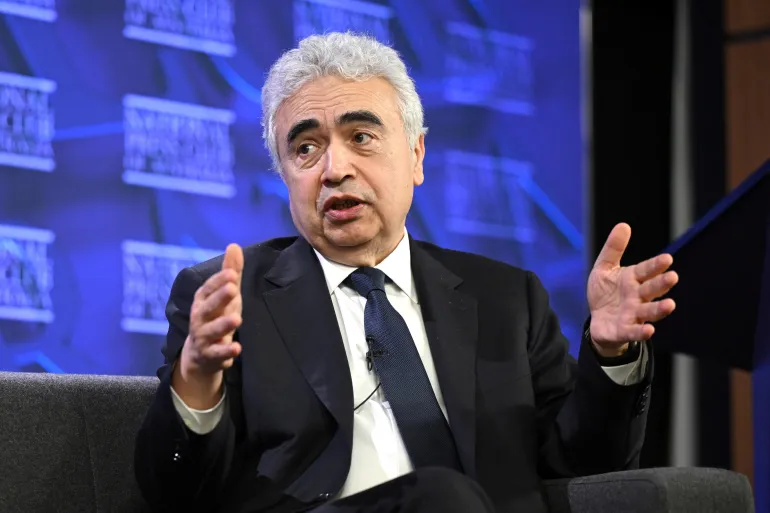
Speaking in Canberra, Birol framed the situation in unusually direct terms.
“This crisis, as things stand, is now two oil crises and one gas crash put all together,” he said.
The scale of disruption reflects both geography and infrastructure. The effective closure of the Strait of Hormuz — one of the world’s most critical energy chokepoints — has cut global oil supply by about 11 million barrels per day. That alone exceeds the combined shortfalls seen during the 1973 and 1979 oil shocks.
At the same time, gas markets are under pressure. Liquefied natural gas supplies have dropped by around 140 billion cubic metres, nearly double the level recorded after Russia’s 2022 invasion of Ukraine. The crisis is not limited to flows: at least 40 energy facilities across nine countries have been severely damaged during the conflict.
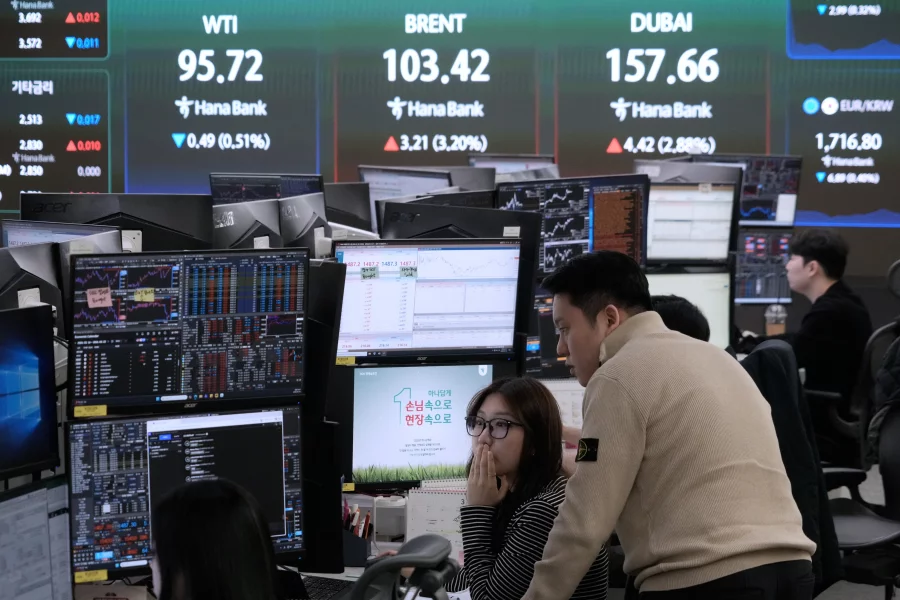
Taken together, these factors are reshaping the energy landscape in real time. Prices have already surged more than 50 percent since the war began on February 28, with volatility driven not only by supply losses but by uncertainty around what comes next.
For Birol, the concern is not just the numbers, but the response. “The global economy is facing a major, major threat today, and I very much hope that this issue will be resolved as soon as possible,” he said, adding that the depth of the crisis had not initially been fully understood by policymakers.
“I thought the depth of the problem was not well appreciated by the decision-makers around the world,” he said, explaining why the agency moved to speak more publicly about the risks.
The IEA has already proposed coordinated action, including the release of 400 million barrels from strategic reserves and measures to reduce consumption — from encouraging remote work to lowering motorway speed limits. These steps are designed to buy time, not solve the problem.
In Birol’s view, the central issue remains unresolved. The Strait of Hormuz, which normally carries roughly one-fifth of global oil and LNG supplies, is the key pressure point. Reopening it is, as he put it, the “single most important solution”.


The latest news in your social feeds
Subscribe to our social media platforms to stay tuned