
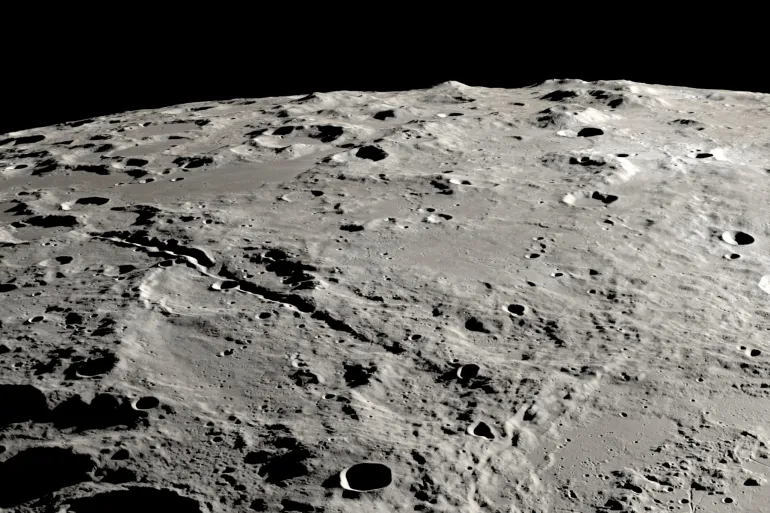





NASA is reworking its long-term space strategy, moving away from an orbital approach around the Moon and toward a more direct goal: building and sustaining a human presence on its surface.
At a meeting in Washington, DC, NASA Administrator Jared Isaacman outlined a plan to invest $20bn over the next seven years into a lunar base, while also accelerating efforts toward a nuclear-powered mission to Mars. The changes mark a significant reset of the Artemis programme’s trajectory.
The shift is structural. Instead of relying on the Lunar Gateway — a planned space station in lunar orbit — NASA is pausing that concept and redirecting resources toward infrastructure on the Moon itself. Some Gateway components will now be repurposed for surface use.
“It should not really surprise anyone that we are pausing Gateway in its current form and focusing on infrastructure that supports sustained operations on the lunar surface,” Isaacman said.
The new plan centres on long-term presence rather than short visits. Robotic missions will take on an expanded role, preparing landing sites, testing technologies and beginning early construction work before astronauts return later this decade.
At the same time, NASA is pushing forward on deep-space propulsion. A spacecraft named Space Reactor 1 Freedom is expected to launch before the end of 2028, aiming to demonstrate nuclear electric propulsion on a mission toward Mars. The concept builds on earlier successes like the Ingenuity helicopter, which proved powered flight on another planet and is now informing future aerial exploration.
Together, these moves point to a broader recalibration: less emphasis on intermediate steps in orbit, more focus on operational capability on the surface and beyond.
There are also ripple effects. The decision to pause Gateway raises questions about the role of international partners — including Japan, Canada and the European Space Agency — who had committed to supplying key components for the orbital station.
Strategically, the shift comes as competition intensifies. China has set a target of landing astronauts on the Moon by 2030, adding urgency to US efforts to re-establish a sustained presence beyond Earth.



The latest news in your social feeds
Subscribe to our social media platforms to stay tuned