

Amid ‘dire situation’ for Colorado River Basin, headwater states say they can’t cut water they don’t have
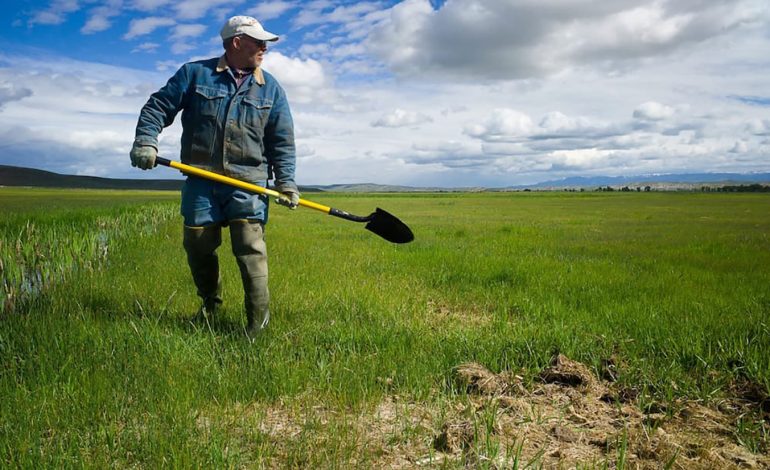

Under pressure to strike a compromise on water cuts, and amid talk of litigation, Wyoming and other upper Colorado River Basin states are pointing to the climate-driven disaster unfolding in the West to insist they can’t cut what Mother Nature isn’t providing in the headwaters. They simply cannot commit to calculations beyond their control.
“If the water is not there, our water users don’t get to use it, and that is typically the case,” New Mexico’s water negotiator Estevan Lopez said. Upper-basin states live with “very real and mandatory reductions that are imposed by nature, which we refer to as hydrologic shortage.”
The complex Drought Response Operations Agreement expires later this year and must be updated. It dictates how stakeholders share cutbacks when water supplies don’t meet prescribed allocations. Failing to strike a deal, federal officials are prepared to impose their own plan—a prospect that all but ensures competing lawsuits.
One major rub between the lower- and upper-basin states centers on water use. While stakeholders downstream are using their full allocations, upstream states like Wyoming have not—and they want to protect their potential full allocation. So when negotiations narrow to whether both sides are equally feeling the pain of cuts, lower-basin stakeholders say their proposed sacrifices far outweigh those offered upstream.
The Colorado River is mostly fed by seasonal snowpack in the upper basin states. So far this year, the “snow-water equivalent” in the region is 42% of normal—the lowest since 1986. Extra releases from Flaming Gorge Reservoir on the Wyoming-Utah border to help deliver water downstream need to happen as soon as possible, Lopez said. “We’ve mentioned over and over, the situation is dire.”

The latest news in your social feeds
Subscribe to our social media platforms to stay tuned