



From Cairo Nights to Seoul Streets, Oil Shock Is Changing How People Live


With input from AP, Reuters, and Bloomberg.
The war’s ripple effects aren’t just hitting markets – they’re reshaping daily life.
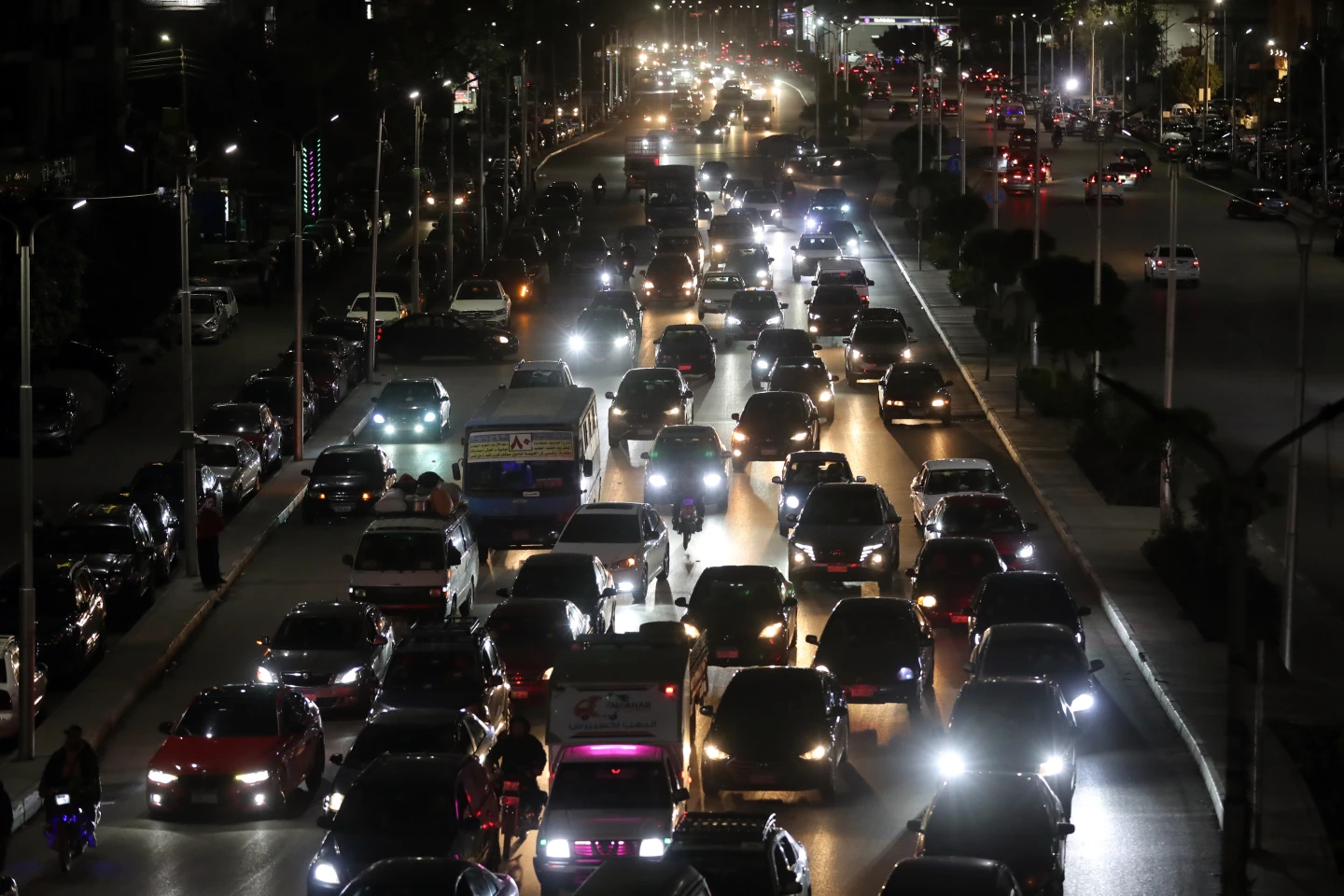
In Cairo, the city that rarely sleeps is suddenly going dark early. Cafés, shops, and restaurants – once buzzing well past midnight – are now being told to shut by 9 p.m. sharp.
The government says it has no choice. With oil prices surging and energy costs spiraling, officials are scrambling to cut consumption wherever they can.
For business owners, it’s a blunt instrument.
“It’s ruinous,” said one café owner in a busy neighborhood, describing how the new rules wipe out the most profitable hours of the day. Nights used to be everything – crowds drifting in after sunset, staying into the early morning. Now those shifts are gone. Staff have been cut. Revenues are shrinking fast.
Across the city, the change is visible. Streets that would normally hum late into the night are quieter, dimmer. Some cafés try to bend the rules – doors closed, customers still inside smoking shisha, playing cards, stretching the evening as long as possible.
Others aren’t even trying to hide their frustration. Social media is full of complaints, jokes, and anger. For many, this isn’t just about business – it’s about identity. Cairo’s late-night culture is part of how the city lives.
The government calls the measures “exceptional.” Alongside early closures, streetlights are being dimmed, offices are shutting earlier, and some public workers are heading back to remote work part-time. Tourist hotspots have been spared – for now – because the country needs the revenue.
Behind it all is a simple problem: energy is getting expensive, fast.
Egypt imports a large share of its fuel, and the spike in global prices – driven by disruptions around the Strait of Hormuz – is hitting hard. The country’s oil bill has surged, and officials warn the alternative to conservation would be even higher prices.
That trade-off is already painful. Higher fuel costs are feeding into everyday expenses, squeezing households and small businesses alike.
And Egypt isn’t alone.
Over in South Korea, officials are weighing a move that sounds almost unthinkable in a modern economy: restricting how often people can drive.
If oil climbs further – toward $120 or $130 a barrel – the government could expand current limits beyond public sector workers to the entire population. That would mark the first nationwide driving curbs since the early 1990s.
The idea is simple: use less fuel, stretch limited supply, avoid a deeper crisis.
For now, restrictions apply mainly to government vehicles, rotating usage based on license plates. But authorities are already preparing for a broader rollout. Big companies are encouraging employees to leave cars at home. Politicians are posting about taking public transport or cycling, trying to set the tone.
The urgency comes from exposure. South Korea imports about 70% of its oil from the Middle East, leaving it highly vulnerable to disruptions in the region.
And those disruptions aren’t easing.
Shipping routes are under threat. Energy infrastructure has been hit. Prices are climbing. Governments are starting to act – not in theory, but in ways that people feel immediately.
Back in Cairo, that means closing up shop just as the night begins. In Seoul, it could soon mean deciding whether to drive at all.
Different cities. Same pressure.
When oil shocks hit, they don’t stay confined to charts and headlines. They show up in quieter streets, shorter workdays, and the small, everyday routines people suddenly have to rethink.

The latest news in your social feeds
Subscribe to our social media platforms to stay tuned