




Reuters, the Wall Street Journal, and Bloomberg contributed to this report.
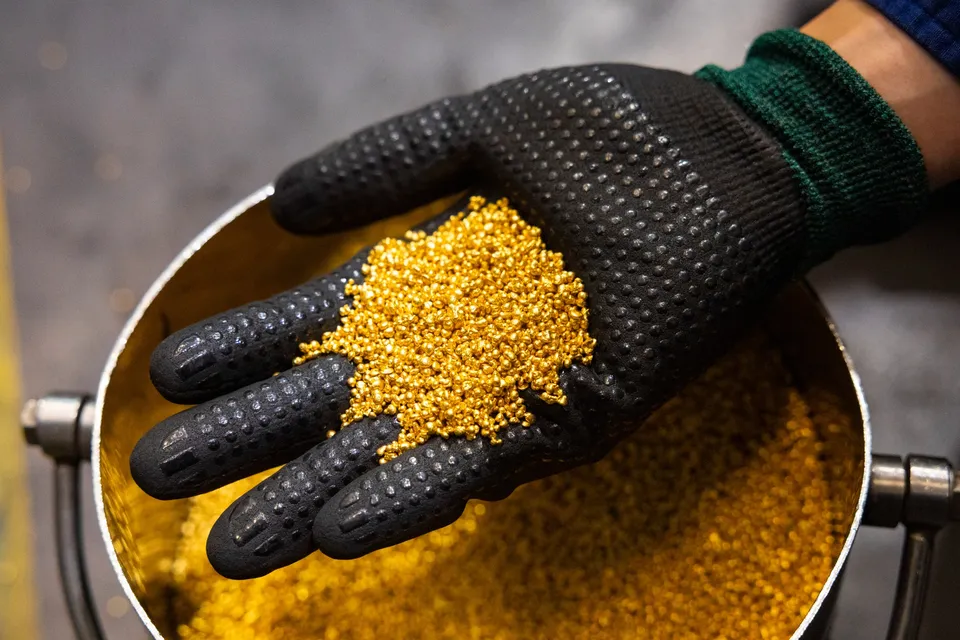
Gold tried to recover Monday. It didn’t get very far.
Prices edged higher as bargain hunters stepped in after a brutal selloff, with spot gold rising about 0.8% to around $4,526 an ounce. Futures followed, ticking up as well. A small rebound – but in this market, even that feels fragile.
Because the bigger forces pushing gold around haven’t gone anywhere.
The metal is coming off a rough stretch, down more than 14% this month – its steepest drop since the financial crisis era. That kind of fall tends to attract buyers looking for a deal. And that’s what showed up early this week.
Still, any upside is running into a wall: energy prices.
Oil has been surging as the Iran war drags on, with Brent crude up roughly 60% in March alone. That’s not just a headline number – it’s feeding straight into inflation fears across markets.
And inflation changes the math for gold.
In theory, rising prices should help bullion. It’s often seen as a hedge when inflation picks up. But there’s a catch. Higher inflation also means central banks are less likely to cut interest rates – and that’s where gold starts to struggle.
Right now, traders have largely abandoned expectations for Federal Reserve rate cuts this year. Not long ago, markets were pricing in two. Now, with energy costs climbing, the thinking has flipped.
Higher rates make gold less attractive. It doesn’t pay interest, so when yields rise elsewhere, investors have more incentive to look away.
That shift is also boosting the dollar, which has gained ground since the war began. A stronger dollar typically pressures gold further, making it more expensive for buyers using other currencies.
Put it all together, and you get a market that can’t quite find its footing.
There are signs the selloff may have gone too far, at least in the short term. Last week’s price action hinted at a possible turnaround, with gold snapping a three-week losing streak. But analysts aren’t calling it a clear reversal yet.
Too much headline risk. Too many moving parts.
Every new development in the Middle East, every shift in oil prices, every comment from the Fed – it all feeds directly into gold’s next move. Volatility isn’t a side effect right now; it’s the main feature.
Investors are now waiting for signals from policymakers, including remarks from Federal Reserve Chair Jerome Powell, for clues on where rates – and by extension gold – might head next.
Meanwhile, other precious metals are catching a bit of a lift. Silver, platinum, and palladium all moved higher, riding the same wave of cautious buying.
But gold remains stuck in a tug-of-war.
Buyers see value after a steep drop. The macro backdrop keeps pushing back.


The latest news in your social feeds
Subscribe to our social media platforms to stay tuned