

Markets Are Getting Harder to Trade as War Chaos Drains Liquidity

With input from CNN and Reuters.
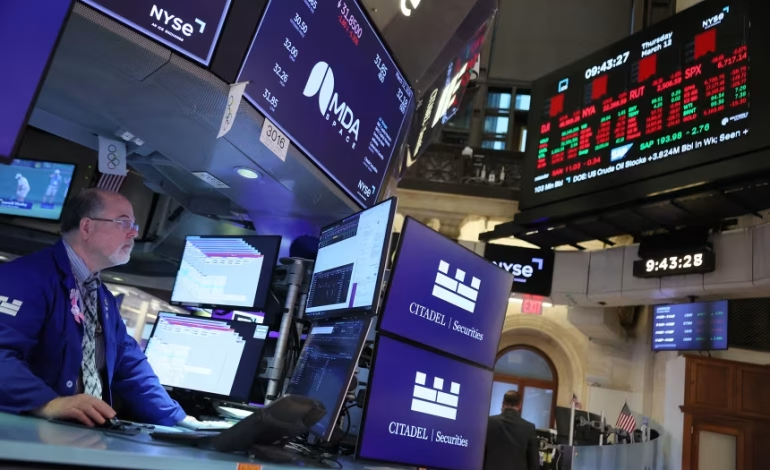
Trading used to be fast. Click, done. Now it’s slower, thinner – and a lot more expensive.
The war in Iran has rattled global markets in a way that’s starting to go beyond price swings. Investors aren’t just dealing with volatility anymore. They’re struggling to find someone on the other side of the trade.
Across everything – government bonds, currencies, gold – liquidity is drying up. Market makers, the firms that usually step in to keep trades flowing, are pulling back. The risk of getting stuck with the wrong position has gotten too high, too quickly.
So they hesitate. They quote wider prices. They ask traders to break deals into smaller chunks. And sometimes, they step away entirely.
That shift is subtle at first. Then it starts to bite.
Investors say trades that once took seconds now take longer to execute, if they go through at all. The gap between buying and selling prices has widened noticeably, making every move more costly. The result: smaller bets, fewer trades, and a market that feels thinner by the day.
Volatility gauges are flashing warning signs across the board. Measures tied to stocks, bonds, oil, and gold have all jumped to levels typically seen during major crises.
Even the US Treasury market – arguably the deepest and most important in the world – is showing strain. Spreads on short-term government debt have widened sharply, a sign that dealers are charging more to absorb risk.
That matters because Treasuries sit at the core of the financial system. When liquidity there starts to crack, people pay attention.
Parts of Europe are already feeling it more intensely.
Short-term interest rate futures markets briefly saw liquidity collapse to a fraction of normal levels, echoing the kind of dysfunction last seen during the COVID shock. At the same time, hedge funds – now a dominant force in European bond trading – have been rapidly unwinding positions.
Many of those bets were crowded. When they started going wrong, everyone rushed for the exit at once.
That kind of synchronized retreat tends to amplify the chaos. Dealers widen spreads further. Prices swing harder. And the cycle feeds on itself.
The pressure is showing up in portfolios, too.
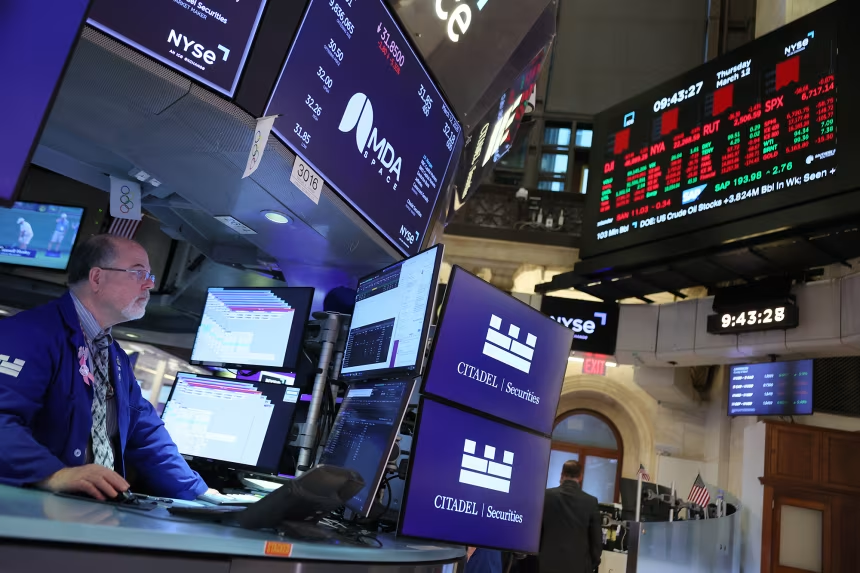
Stocks are sliding. Major US indexes are heading for their worst month in a year, with the Dow Jones Industrial Average down roughly 10% from its recent peak. The S&P 500 and Nasdaq Composite aren’t far behind.
Bonds are selling off as well. Yields on the 10-year Treasury have climbed toward levels not seen since last summer, reflecting growing concern that inflation – fueled by rising energy costs – could stick around longer than expected.
That’s forced a rethink on interest rates. Earlier this year, markets were betting on cuts. Now, some investors are bracing for the opposite.
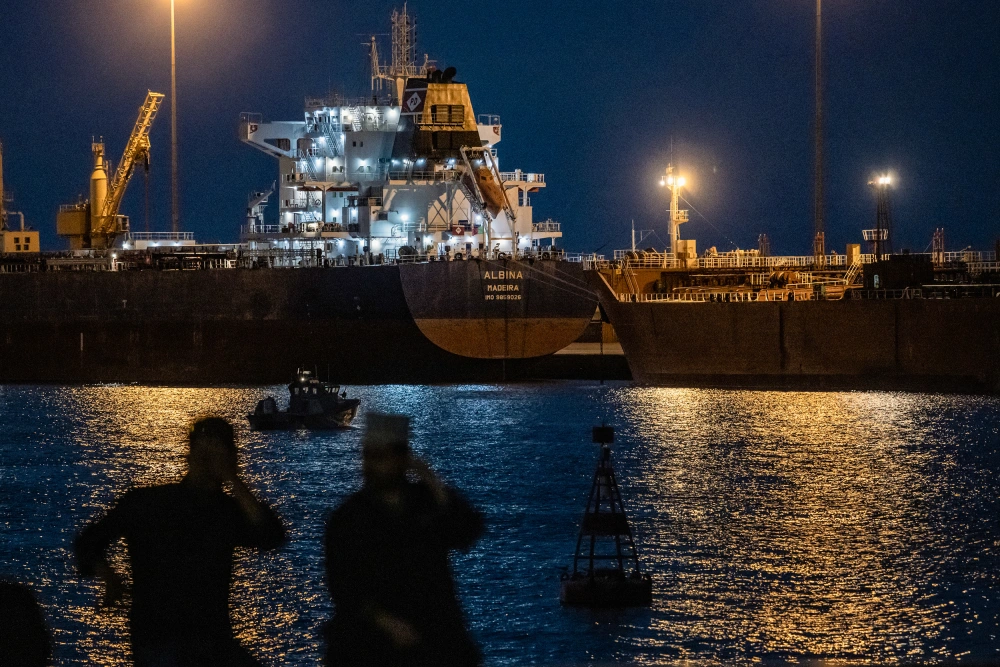
Oil, meanwhile, is surging as supply disruptions ripple through the system. The effective closure of the Strait of Hormuz and damage to energy infrastructure have pushed prices sharply higher, adding another layer of stress across asset classes.
In theory, volatility like this isn’t unusual during geopolitical shocks. Markets seized up during the early days of the pandemic, and again during major policy surprises in recent years.
What’s different now is the timing.
This turbulence hit after a long stretch of bullish momentum, when investors were piling into risk and markets were running hot. That leaves more room for a deeper correction if conditions don’t stabilize.
And right now, stability feels far off.
There are still trades happening – volumes in some markets are even high – but much of that activity is forced. Investors cutting losses. Positions getting unwound. Risk being reduced, not added.
At the same time, fewer players are willing to step in and take the other side.
In some corners, like gold trading, market makers have occasionally disappeared altogether. Not chasing profits, not hunting opportunities – just staying out.
That’s the mood shift.
The system is still functioning. Trades are still going through. But the gears are grinding more than usual, and every move carries more friction.
If the war drags on, that friction could turn into something more serious.


The latest news in your social feeds
Subscribe to our social media platforms to stay tuned