

Rubio warns on Hormuz toll plan, criticises West Bank violence
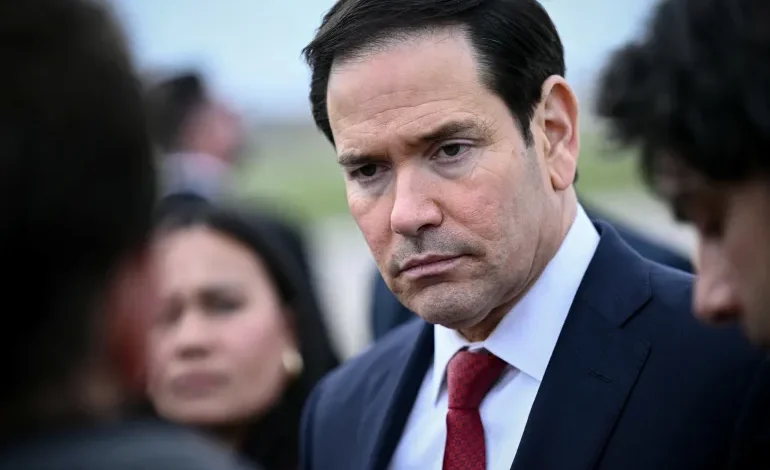


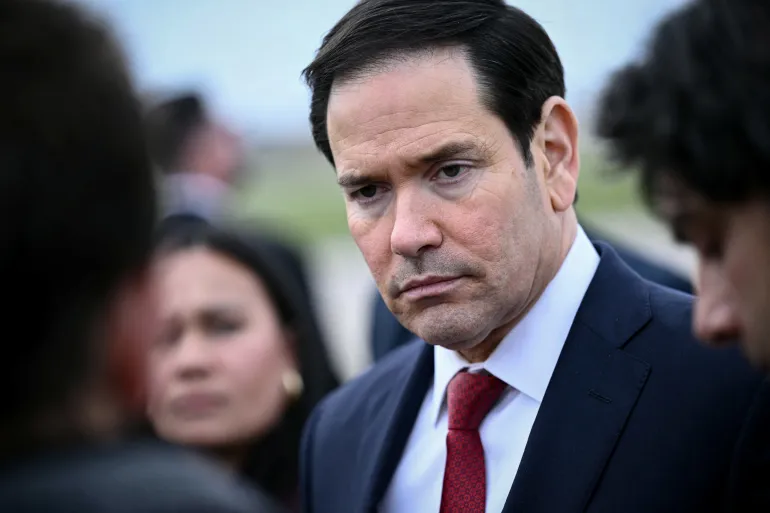
US Secretary of State Marco Rubio used his remarks after a G7 meeting in France to address two separate pressure points: Iran’s moves in the Strait of Hormuz and ongoing violence in the occupied West Bank.
Speaking to reporters on Friday before departing, Rubio focused first on reports that Iran may introduce a toll system for ships passing through the Strait of Hormuz — one of the most critical routes for global energy supply.
“One of the immediate challenges we’re going to face is in Iran, when they decide that they want to set up a tolling system in the Strait of Hormuz,” Rubio said.
“Not only is this illegal, it’s unacceptable. It’s dangerous for the world, and it’s important that the world have a plan to confront it. The United States is prepared to be a part of that plan. We don’t have to lead that plan, but we are happy to be a part of it.”
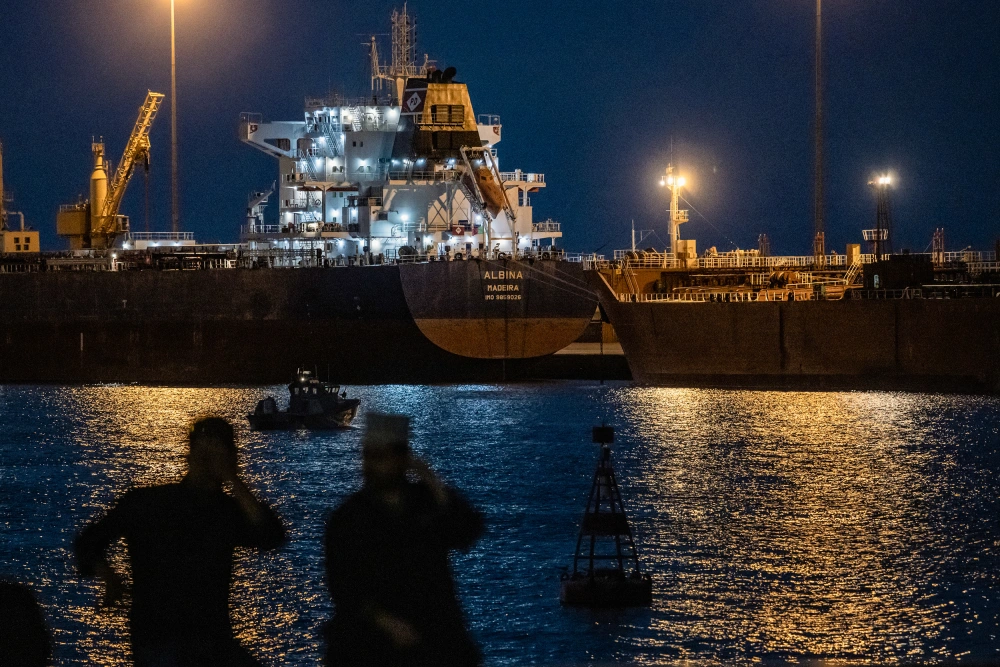
The strait carries around 20 million barrels of oil per day under normal conditions — roughly a fifth of global supply. But traffic has been severely disrupted since the start of the US-Israel war on Iran on February 28. Tehran has threatened to close the waterway, and tanker movement has slowed sharply, with only limited vessels — some linked to Iran or China — continuing to pass.
Reports suggest Iran is considering a system that would require ships to request permission from the Islamic Revolutionary Guard Corps and pay a fee for transit.
“ They want to make it permanent. That’s unacceptable. The whole world should be outraged by it,” Rubio said, adding that he raised the issue directly with his G7 counterparts.
“All we’ve said is, ‘You guys need to do something about it. We’ll help you, but you guys are going to need to be ready to do something about it,’” he said.
Rubio called on G7 members — Canada, France, Germany, Italy, Japan, the United Kingdom and the European Union — as well as countries in Asia, to take a more active role in securing the route.
His remarks reflect a broader difficulty for Washington: despite repeated calls, the US has struggled to build a coordinated international response to Iran. European allies have largely signalled they would limit their involvement to defensive measures, while President Donald Trump has publicly criticised NATO partners for not taking a more aggressive stance.
Alongside the Iran issue, Rubio also addressed violence by Israeli settlers in the occupied West Bank, condemning attacks on civilians. The comments place the US in a position of publicly criticising both Iran’s regional actions and instability tied to Israeli settlement activity.
The G7 statement issued after the meeting emphasised the need for an “immediate cessation of attacks against civilians and civilian infrastructure”, reflecting concern among member states over the widening scope of regional tensions.


The latest news in your social feeds
Subscribe to our social media platforms to stay tuned