



Scientists search for big answers about a little bunny that relies on disappearing sagebrush

NORTHERN RED DESERT — Ilaria Bacchiocchi cracked a smile as she explained the nontechnical term her research crews use for the tiny cylinder of digested sagebrush resting in her palm. “Fresh out the butt,” Bacchiocchi said Tuesday. “FTB, we call it.” The tiny pellet’s green interior and pliability suggested it had been expelled quite recently. A pygmy rabbit was nearby.
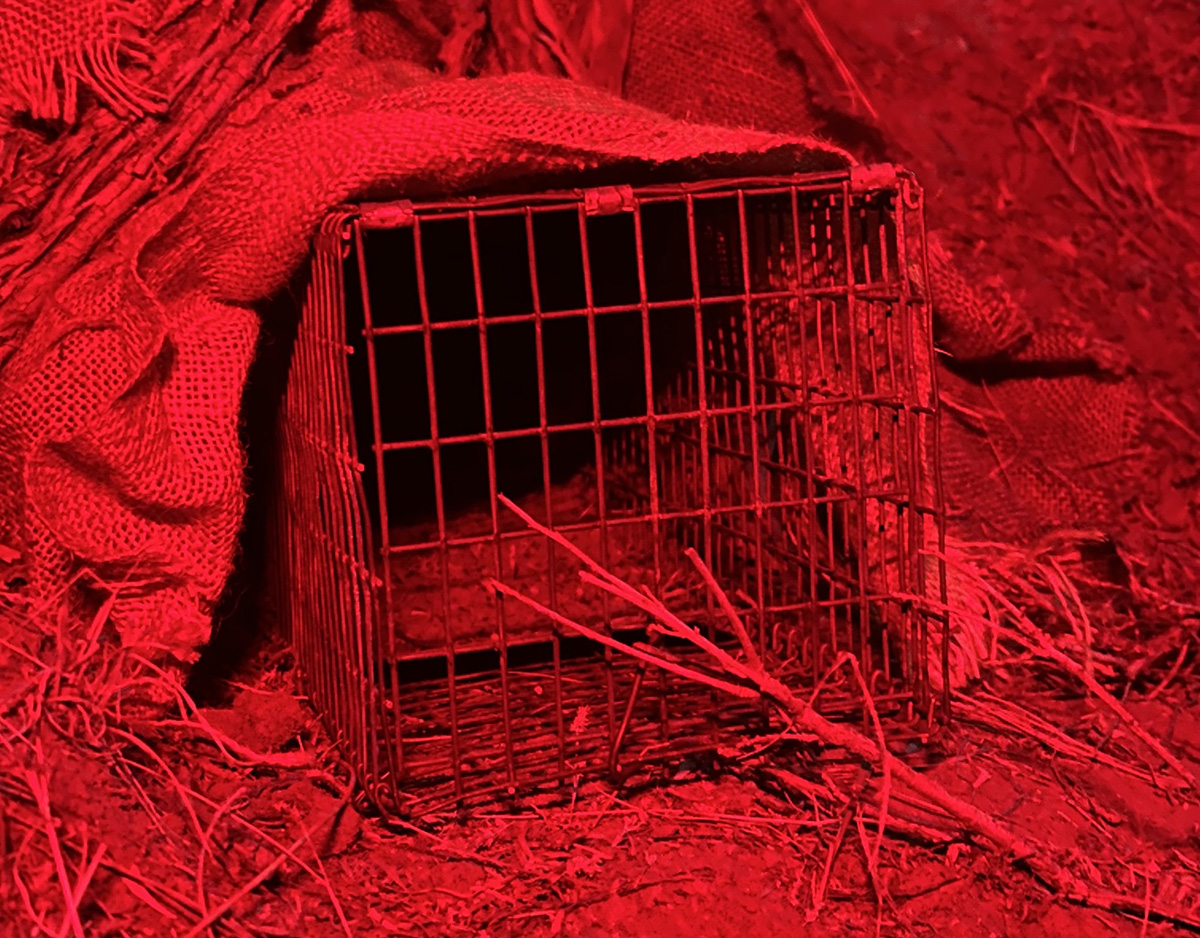
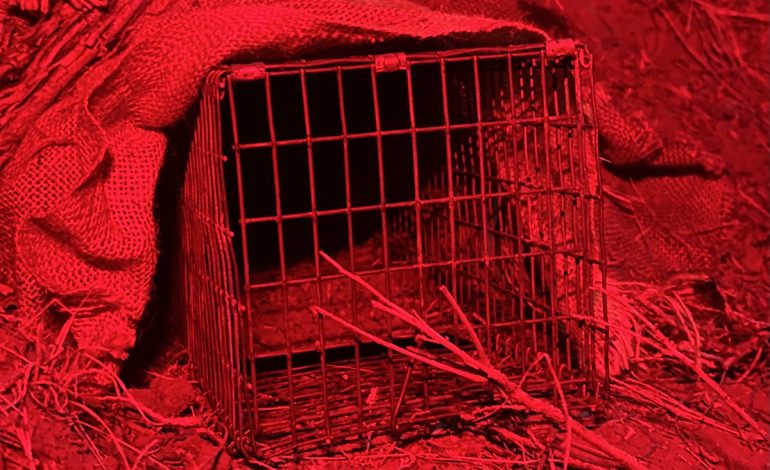
That was a promising sign for the University of Idaho doctoral student, who was setting out 67 live traps in the entrances of pygmy rabbit burrows in the dark. Catching one would allow her to take a tissue sample to learn how Wyoming’s pygmy rabbits are genetically adapted to their environment and climate.
The cryptic little rabbit is being subjected to research partly because it’s a “species of greatest conservation need” in Wyoming, where it faces threats from disease, climate change and habitat loss. There’s also a fresh push to protect the species via the Endangered Species Act—a decision that could limit land uses in energy-rich southwestern Wyoming.
Sagebrush constitutes 99% of a pygmy rabbit’s wintertime diet. The little lagomorph simply can’t survive without the right combination of mature, thick sagebrush and soil that allows for den-building. The pygmy’s vulnerability is tied to the embattled sagebrush-steppe biome, which is disappearing and degrading at an average rate of 1.3 million acres every year.
While some aspects of basic pygmy rabbit biology are well understood, there are big questions about how they’ll fare in the long run. High on the list of threats is RHDV2, a highly contagious hemorrhagic disease that hasn’t been confirmed yet in Wyoming pygmy rabbits but has wiped out populations in Nevada. Climate change and energy development are also concerns. Wyoming Game and Fish’s 2026 surveys have documented pygmy rabbit sign at about half of 108 locations, which is “encouraging” relative to other parts of their range.



The latest news in your social feeds
Subscribe to our social media platforms to stay tuned