




Reuters, Bloomberg, and CNBC contributed to this report.
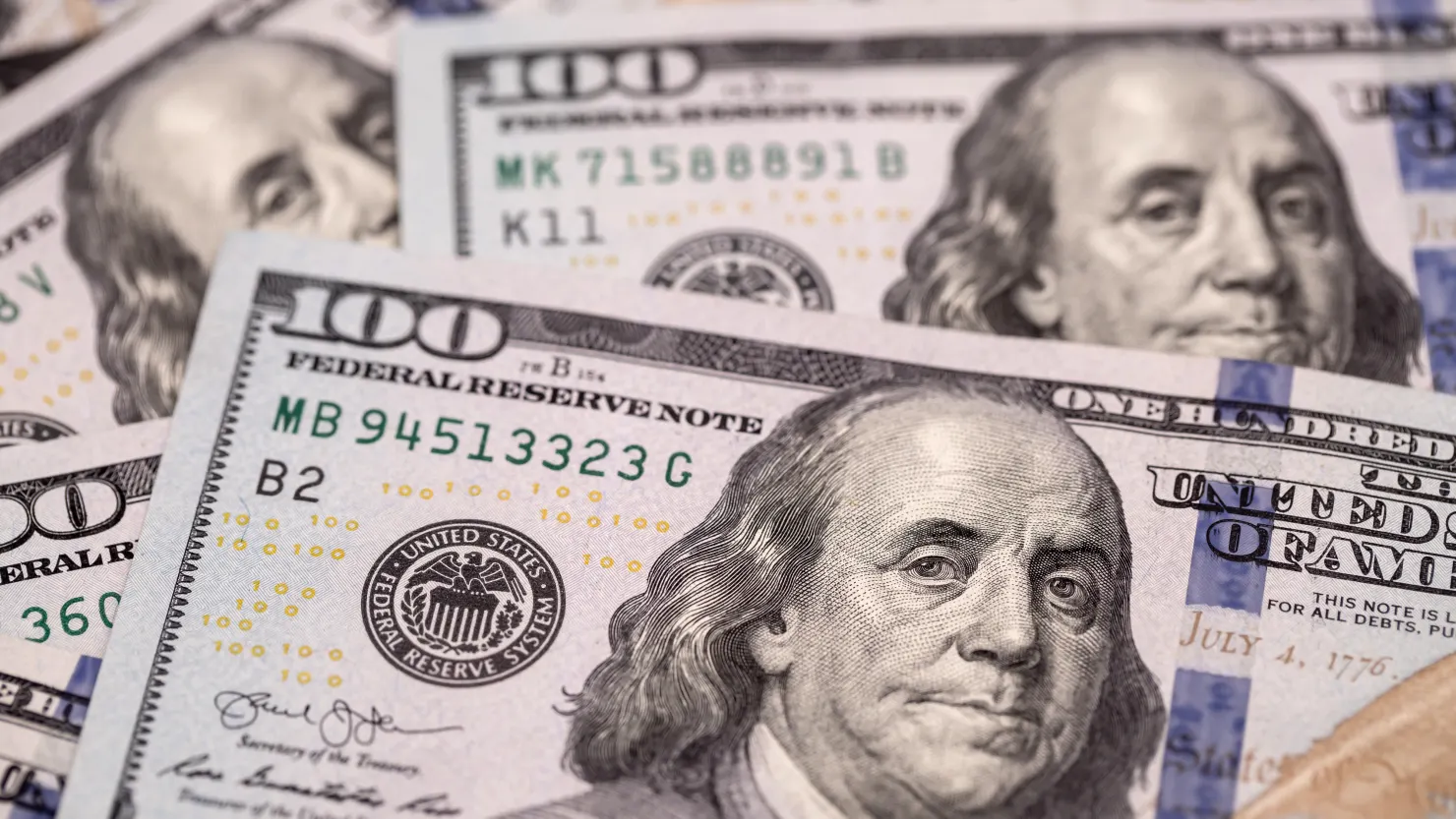
The dollar is having a moment – and it’s not subtle.
As the war in the Middle East drags on and oil prices keep climbing, investors are piling into the greenback, pushing it toward its strongest monthly showing since July. In uncertain times, the dollar is back in its usual role: the place people run to.
By Tuesday, the dollar index had climbed close to a one-year high, up nearly 3% for March. That’s a sharp move in currency terms, and it reflects a broader shift in mood. Markets aren’t just worried about inflation anymore – they’re starting to price in the risk of a global slowdown.
Overnight, the dollar gained against almost everything. Almost.
The Japanese yen tried to claw back some ground after flirting with its weakest levels since mid-2024. It was trading just under 160 per dollar – a level that has traders on edge, not because of fundamentals, but because of politics.
Tokyo is watching closely. Officials have been dropping increasingly direct hints that they could step in to support the currency if it weakens much further. That’s enough to make traders think twice about pushing the yen lower.
Even so, the yen is still down about 2.4% this month. Japan’s heavy reliance on imported energy is proving costly as oil prices surge, dragging on the currency.
Elsewhere, it’s a softer picture.
The euro has slipped steadily and is on track for a roughly 3% monthly decline. Commodity-linked currencies are taking it harder. The Australian dollar, which held up for much of the month, has started to give way as growth fears creep in. It dropped to a two-month low, while the New Zealand dollar sank to levels not seen in four months.
South Korea’s won is under even more pressure, sliding to its weakest point since the global financial crisis in 2009.
The common thread is clear: energy shock, weaker growth expectations, and rising anxiety about how long this conflict might last.
Oil is at the center of it. Disruptions around the Persian Gulf – including attacks on tankers and threats to key shipping routes – have pushed prices higher and kept volatility elevated. That feeds straight into currencies, especially for countries that rely heavily on imports.
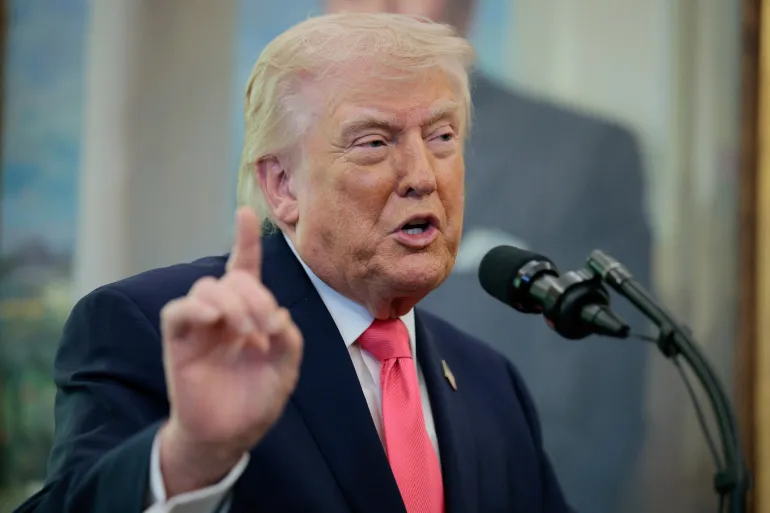
Back in Washington, Donald Trump added to the tension, warning that the US could escalate strikes on Iran’s energy infrastructure if the Strait of Hormuz isn’t reopened. Markets have learned to react quickly to these signals – and just as quickly to doubt them.
For now, the dollar is shrugging off mixed signals from the Federal Reserve. Jerome Powell reiterated a wait-and-see approach on rates, downplaying the need for hikes in the near term. Bond yields dipped slightly after his comments.
Normally, that might weaken the dollar. Not this time.
When the outlook darkens, the dollar tends to rise regardless. It’s less about interest rates and more about safety.
Other traditional havens aren’t doing much. Gold has struggled to gain traction. Bonds have been choppy. The yen, usually a go-to in turbulent periods, hasn’t delivered – partly because of Japan’s energy exposure. Even the Swiss franc has lost some appeal after signals from the Swiss central bank that it’s uncomfortable with too much strength.
All of that leaves the dollar standing out.
Unless there’s a clear shift in the geopolitical picture – or a sudden easing in oil markets – traders aren’t expecting that to change anytime soon.



The latest news in your social feeds
Subscribe to our social media platforms to stay tuned