




AP, Axios, CNBC, CNN, the Washington Post, and Business Insider contributed to this report.
Filling up just got painful again.
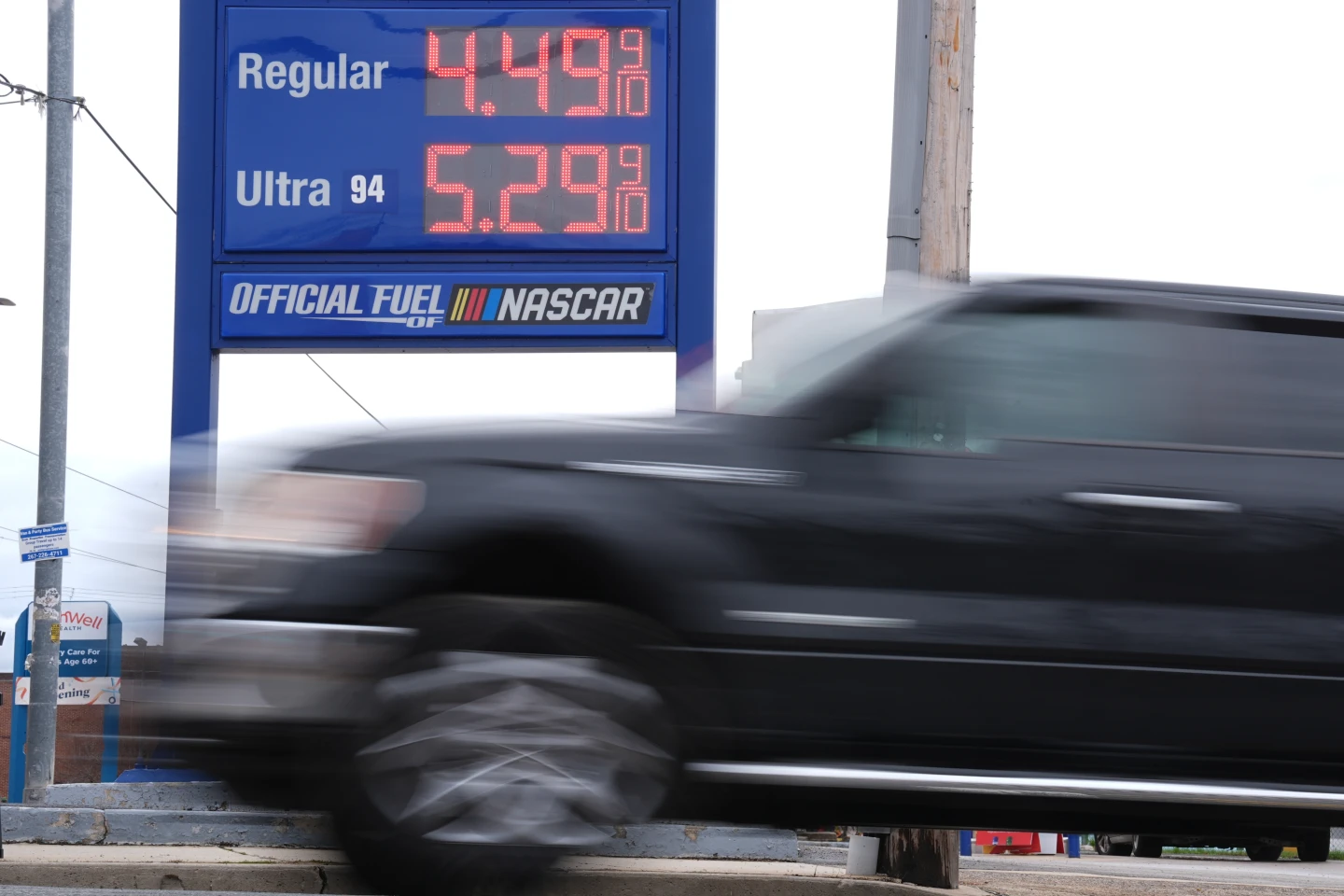
The average price for regular gasoline in the US has climbed past $4 a gallon, crossing a line drivers haven’t seen since 2022. According to AAA, the national average now sits around $4.02 – more than a dollar higher than before the war with Iran erupted at the end of February.
And it didn’t creep up slowly. Prices surged in a matter of weeks, tracking a sharp jump in global oil markets as fighting in the Middle East choked off supply routes and rattled traders.
At the center of it all is the Strait of Hormuz – a narrow but crucial artery that normally carries about a fifth of the world’s oil. Now, tanker traffic is severely disrupted. Producers can’t move crude easily. Storage is filling up. Supply is tightening.
Oil prices responded fast. Too fast. Crude shot above $100 a barrel, pushing fuel costs higher almost everywhere.
For American drivers, the result shows up instantly at the pump.
Some states were already well above $4 before the national average caught up. Out West, prices are pushing closer to $6 in places like California, while cheaper states such as Oklahoma are still hanging closer to the low $3 range. Geography, taxes and supply lines all play a role, but the direction is the same everywhere: up.
Diesel is telling an even harsher story. It’s now averaging about $5.45 a gallon, up sharply from pre-war levels. That matters beyond truck stops – diesel powers freight, shipping and much of the supply chain. When it jumps, costs ripple outward.
You’ll feel it at the grocery store. And in delivery fees. And in airline tickets.
Some of that is already happening. The US Postal Service is pushing for temporary surcharges. Analysts warn food prices could be among the first to rise, since restocking depends on constant transport. Everything else tends to follow.
Households are starting to adjust. More money into the tank means less for everything else. Discretionary spending takes a hit. Small businesses feel the squeeze.
There are attempts to contain the damage. The International Energy Agency has pledged to release hundreds of millions of barrels from emergency reserves. Washington is loosening some rules – tapping the Strategic Petroleum Reserve, easing shipping restrictions under the Jones Act, even allowing more flexible fuel blends.
There’s also a push to bring more supply online from places like Venezuela and, temporarily, Russia.
Still, none of this works overnight.
Fuel moves through a long chain – from crude purchase to refining to distribution – and much of what’s being sold today was bought at higher prices weeks ago. Even if oil drops tomorrow, relief at the pump lags.
Seasonal trends aren’t helping either. Spring usually brings higher prices as demand picks up and refineries switch to more expensive summer-grade gasoline.
So the timing couldn’t be worse.
The US may be a major oil producer, but it’s not insulated. Prices are set globally, and American refineries still rely on imported heavier crude to balance what’s produced domestically.
That global link is what keeps the pressure on.
If the war drags on and the Strait stays clogged, analysts say prices could climb further. Some are already floating the possibility of $5 gas – a level last seen during the spike after Russia’s invasion of Ukraine.
For now, the trajectory is clear. Fuel costs are rising, inflation risks are creeping back, and the war’s economic fallout is landing directly in everyday budgets.
At the pump, there’s no way to ignore it.



The latest news in your social feeds
Subscribe to our social media platforms to stay tuned