



AP, New York Post, Reuters, the Wall Street Journal, Bloomberg, CNBC, and Investor’s Business Daily contributed to this report.
Wall Street tried to steady itself Monday. It didn’t quite manage it.
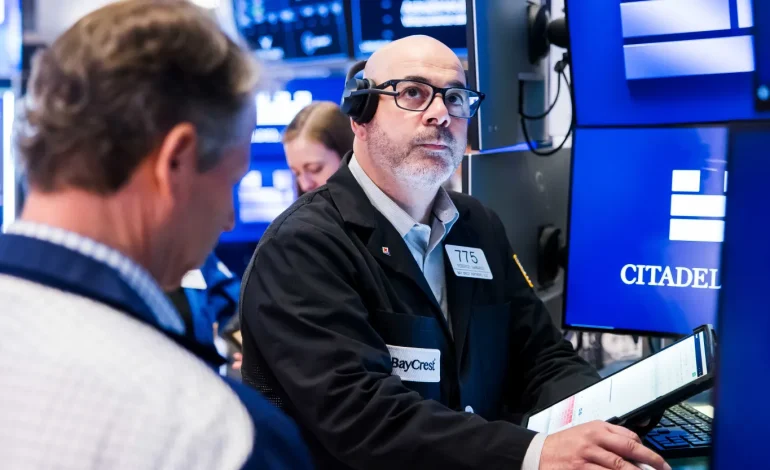
The S&P 500 edged up about 0.2% by the afternoon, but the path there was messy – early gains, a quick drop, then a slow crawl back. The Dow Jones Industrial Average added roughly 250 points, while the Nasdaq Composite slipped slightly, reflecting how uneven the mood still is.
Zoom out and the picture looks even shakier. Stocks are coming off their worst week since the war began, and they’re still well below their January highs – deep enough into the red for traders to call it a correction.
Energy is driving the nerves. Oil keeps climbing, and no one knows how long it will stay there.
The global benchmark Brent crude hovered above $107 a barrel at one point, after briefly pushing even higher earlier in the session. US crude jumped past $100. Every move higher feeds the same fear: inflation is coming back, and it might stick.
That’s the real issue for investors – not just the war itself, but whether oil and gas can keep flowing out of the Gulf. If they don’t, the knock-on effects hit everything from transport costs to grocery bills.
Over the weekend, the conflict widened again. Iran-backed Houthi fighters entered the fray, and fresh strikes hit energy infrastructure across the region. Each new headline adds another layer of risk to already stretched supply chains.
Then came politics, which hasn’t exactly calmed things down.
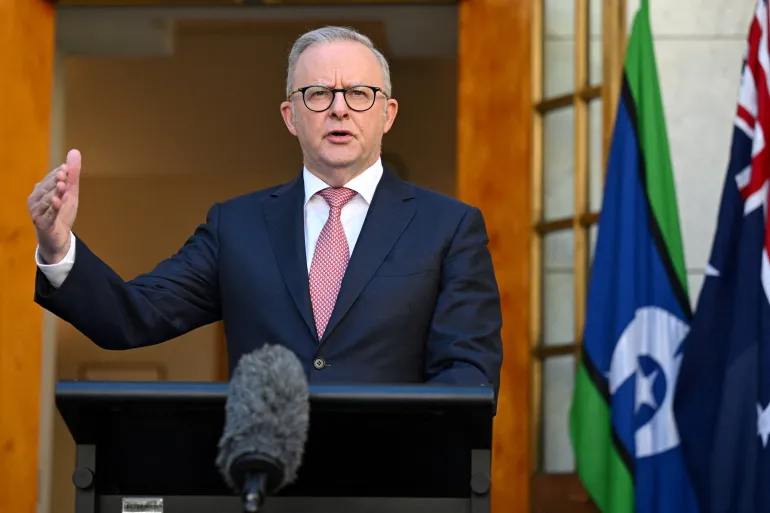
Donald Trump posted that “great progress” had been made toward ending the conflict, hinting at a potential deal. In the same breath, he warned of massive escalation if Iran doesn’t reopen the Strait of Hormuz soon.
Markets have seen this pattern before – optimism, then doubt, sometimes within hours. Traders are starting to take those statements with a pinch of salt. Still, every comment moves prices, even if only briefly.
Underneath the noise, some investors are starting to notice something else: stocks are cheaper now. By some estimates, the S&P 500 is trading at a noticeable discount compared with before the war, assuming earnings forecasts hold up.
That’s tempting. But it comes with a catch.
If oil stays high, the Federal Reserve could keep interest rates elevated – or even raise them. That would cool inflation, but it would also squeeze the economy and weigh on markets again.
Bond markets are already flashing that risk. Yields jumped sharply in recent weeks, though the 10-year US Treasury bond eased slightly Monday, offering a bit of breathing room.
Elsewhere, the ripple effects are showing up stock by stock. Aluminum giant Alcoa surged on bets it could benefit from damaged Middle Eastern supply. Sysco plunged after unveiling a massive acquisition. Real estate names ticked higher as bond yields dipped.
Overseas, the split mood was even clearer. European markets rose, while Asia took a hit – Japan and South Korea both saw sharp losses.
Put it all together and you get a market stuck in limbo. Traders are watching two things at once: headlines out of the Middle East and the price of oil. One hints at where things might go. The other shows what’s happening right now.
And right now, nothing looks settled.


The latest news in your social feeds
Subscribe to our social media platforms to stay tuned