


With input from Reuters, CNBC, Bloomberg.
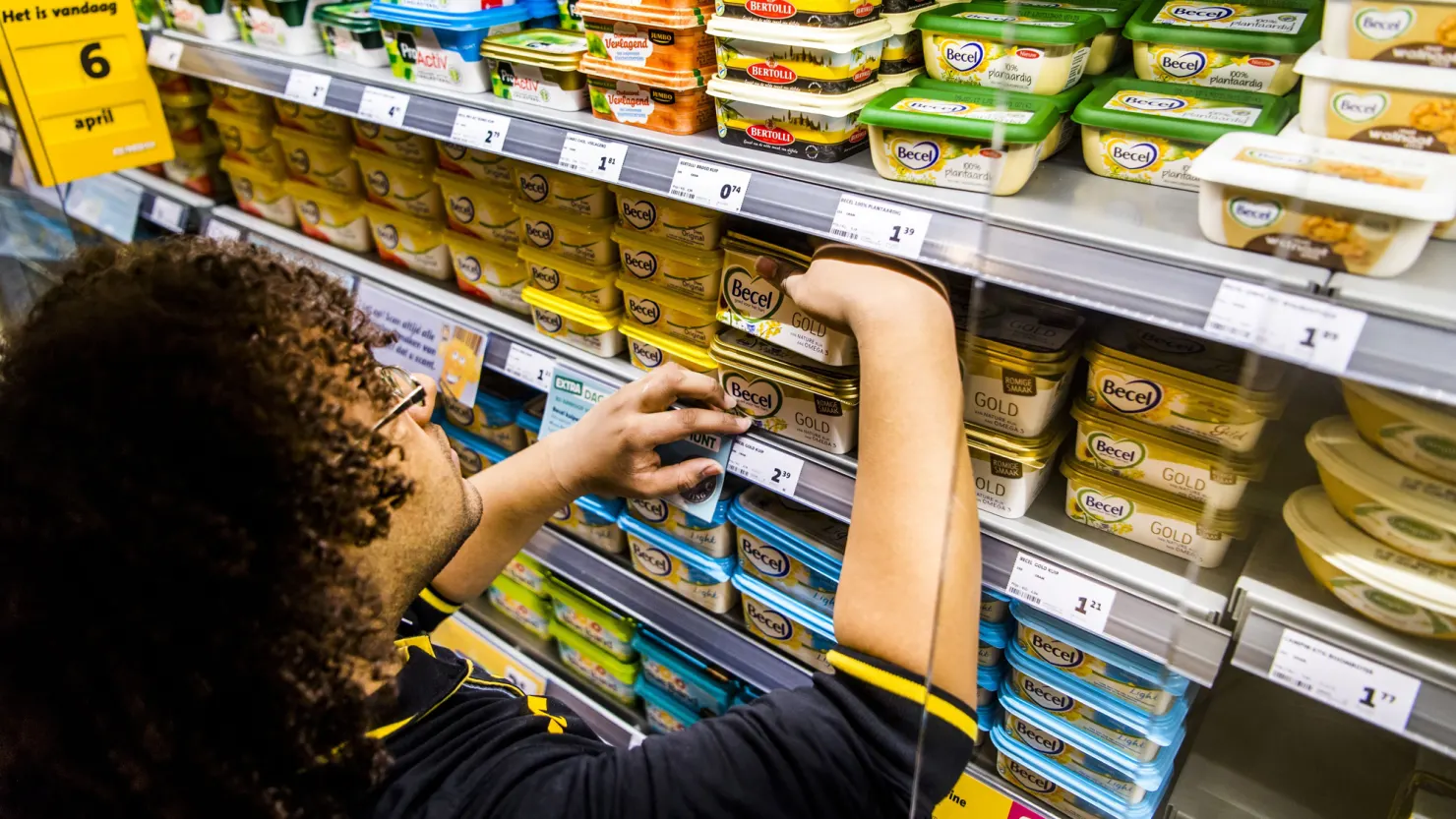
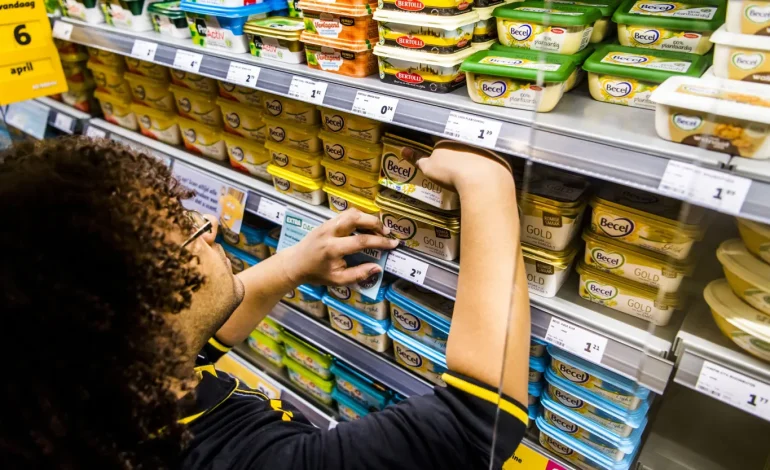
Rows of margarine tubs – Becel, Blue Band, Bona – neatly stacked in a supermarket aisle. For decades, that’s been the face of Unilever’s food business. Now, the company is getting ready to redraw the picture.
Unilever said it’s in advanced talks to merge its food division with US spice giant McCormick in a deal that could hand it about $15.7 billion in cash – while still keeping control of the combined business.
The structure is a bit of corporate gymnastics. A so-called Reverse Morris Trust would see Unilever spin off its food arm and then merge it with McCormick, allowing shareholders to hold onto roughly 65% of the new entity. Tax-efficient, complicated, and increasingly common in big breakups.
Talks are moving quickly. A deal could land as soon as Tuesday, the company said, though it stopped short of making promises.
This would be the biggest move yet by Fernando Fernandez, who took over in 2025 and has wasted little time reshaping the business. He already pushed through the spin-off of Unilever’s ice cream arm – the one behind Ben & Jerry’s and Magnum – in a bid to sharpen focus.
Food, once the backbone of Unilever, has become more of a question mark.
The unit is still profitable. Margins are solid. But growth has lagged behind the company’s beauty and personal care lines, which have been doing the heavy lifting in recent years. Investors have noticed – and pushed.
There’s history here. Unilever’s roots go back to the 19th century butter trade, long before it became a global consumer goods machine. Over time, it scooped up brands across the pantry – Marmite, Colman’s, Horlicks – building a sprawling food portfolio.
But consumer tastes shifted. Fresh food gained ground. Packaged goods lost some appeal. Then came weight-loss drugs and a flood of cheaper private-label alternatives, squeezing demand even further.
The result: pressure to streamline.
Over the past year, Unilever has already been trimming the edges – selling off smaller or non-core brands like Graze and The Vegetarian Butcher. This potential tie-up with McCormick goes much further. It targets the core.
Analysts have long said a move like this made sense. Still, it won’t be simple. McCormick is smaller, even if it’s built a strong business through acquisitions – snapping up brands like Frank’s RedHot, French’s mustard, and Cholula over the past decade.
That mismatch adds complexity. So does the scale of what’s being carved out. Barclays estimates Unilever’s food division could be worth as much as €31 billion, debt included.
There are also carve-outs. Not everything is going into the deal – operations in India, for example, are expected to stay with Unilever.
Behind the scenes, investor pressure has been building for years. Activist investor Nelson Peltz shook things up back in 2022, pushing for sharper focus and faster decision-making. Two CEOs have come and gone since.
The direction now is clearer: less clutter, more focus.
Rivals have already taken that path. Procter & Gamble exited food years ago to double down on household and personal care – and never looked back.
Unilever isn’t going quite that far. But this deal, if it goes through, would mark a decisive shift away from the sprawling food empire it spent a century building.
For now, the margarine shelves are still full. Whether they stay under the same corporate roof is another question.

The latest news in your social feeds
Subscribe to our social media platforms to stay tuned